Morocco Wedding Ceremony – Traditional Moroccan Weddings & Destination Celebrations
A Morocco wedding ceremony is a beautiful combination of family, hospitality, traditional clothing, music, food and celebration. Although customs vary from one family and region to another, Moroccan weddings are well known for their elegant caftans, henna traditions, festive atmosphere and strong connection to family life.
In addition, Morocco has become an attractive destination for couples who want a memorable celebration abroad. A destination wedding in Morocco can take place in a Marrakech riad, a private villa, an Atlas Mountains retreat, an Atlantic coastal setting or even near the golden dunes of the Sahara Desert.
Furthermore, couples can combine their celebration with a private honeymoon journey through Marrakech, Ait Ben Haddou, Dades Valley, Merzouga, Fes, Chefchaouen, Essaouira or other destinations across Morocco.
Explore Morocco Tourism Packages Explore Morocco Desert Tours
Traditional riad courtyard in Marrakech, Morocco. Image from Wikimedia Commons.
What Is a Traditional Moroccan Wedding Ceremony?
A traditional Moroccan wedding is generally more than a single ceremony. Instead, it can involve several moments shared with relatives and friends. Depending on the family, these events may include engagement traditions, a henna gathering, preparation of the bride, a formal wedding reception and a large meal.
Moreover, Moroccan weddings often highlight traditional craftsmanship. Clothing, embroidery, jewellery, ceramics, lanterns and decorative textiles can all contribute to the visual atmosphere. Therefore, the celebration is often closely connected to Moroccan art and cultural heritage.
At the same time, modern Moroccan couples may combine traditional elements with contemporary wedding ideas. For example, a celebration may include a Moroccan caftan during one part of the evening and a modern wedding dress during another.
Important: There is no single wedding format followed by every Moroccan family. Traditions can differ according to region, family background, personal preference and whether the celebration is traditional, modern or a mixture of both.Moroccan Wedding Traditions
Moroccan wedding customs are among the most interesting parts of the country’s social traditions. However, practices differ between cities, rural communities and individual families.
Family Celebrations
Family plays an important role in many Moroccan weddings. As a result, the event can bring together several generations of relatives. Guests may arrive in elegant clothing, greet both families and remain at the celebration for many hours.
Additionally, hospitality is central to the experience. Hosts commonly provide food, tea, pastries and entertainment throughout the celebration.
Music and Dancing
Music creates much of the energy at a Moroccan wedding. Depending on the region and style of celebration, couples may choose traditional musicians, percussion groups, modern performers or DJs.
Meanwhile, dancing often continues throughout the evening. Because weddings can last late into the night, music is usually an important part of the overall program.
Traditional Decoration
Wedding spaces may feature flowers, candles, lanterns, Moroccan rugs, brass details, carved wood or colourful textiles. In addition, many riads already contain zellige tilework, arches and decorative plaster, which can create an elegant setting even before additional decoration is added.
Moroccan Wedding Clothing
Traditional clothing can be one of the most memorable features of a Moroccan wedding. Brides may wear richly decorated caftans or takchitas, while jewellery and embroidered belts can complete the outfit.
Moroccan Henna Ceremony
The henna gathering is a well-known pre-wedding tradition. Depending on family customs, henna may be applied to the bride’s hands and feet in decorative patterns.
Moroccan Wedding Food
Food is an important part of Moroccan hospitality. Therefore, wedding meals may include salads, pastilla, tagines, roasted meats, pastries, fruit and mint tea.
GREAT MARROCAN EXPERIENCE
SAID'S TEAM TOOK US TO MANY GREAT PLACES IN ORDER TO GET A TRUE TASTE OF MARROCO. IN A VERY COMFORTABLE MINI VAN WE TRAVELLED ALL OVER MARROCO . (KASBAH- AIT BEN HADDOU, DADES VALLEY, TODRA GORGE, MERZOUGA, FES MARAKESH). THEY…
The Moroccan Henna Ceremony
The Moroccan henna ceremony is one of the traditions most commonly associated with weddings in Morocco. Usually, it takes place before the main wedding celebration, although the exact timing depends on the family.
What Happens During the Henna Celebration?
A henna artist may decorate the bride’s hands and, in some cases, her feet. Meanwhile, close relatives and friends can gather around the bride to celebrate. Music, tea and sweets may also be served.
Furthermore, the bride often wears traditional clothing during the gathering. Because the event is usually smaller than the main wedding reception, it can feel more intimate and family-focused.
Henna Designs and Traditions
Henna patterns differ according to artist, location and personal preference. Consequently, couples should not expect every Moroccan henna celebration to look the same.
Some designs are detailed and geometric, while others are lighter and more contemporary. Nevertheless, henna remains one of the most recognisable symbols associated with Moroccan wedding celebrations.
Moroccan Wedding Dress, Caftans and the Bride
The clothing worn by a Moroccan bride can be one of the highlights of the wedding. A beautifully decorated Moroccan caftan or takchita may include embroidery, beadwork, metallic thread and a decorative belt.
Multiple Wedding Outfits
At some celebrations, the bride changes clothing several times. For example, she may begin with one traditional outfit and later appear in another style associated with a different region or family tradition.
In addition, modern brides may combine Moroccan clothing with an international-style white wedding dress. This mixture allows couples to honour tradition while also creating a celebration that reflects their personal taste.
The Role of the Neggafa
At some Moroccan weddings, a professional known as a neggafa assists the bride with clothing, jewellery, and presentation. The neggafa may also help coordinate traditional parts of the evening.
However, not every wedding includes this service. Couples planning a destination event should therefore discuss their preferred traditions with their wedding planner or local suppliers in advance.
The Amaria Tradition at a Moroccan Wedding
Another famous Moroccan wedding tradition is the amaria. During some celebrations, the bride or couple is seated on a decorated raised platform and carried above the guests.
At the same time, music and dancing create a festive atmosphere around the couple. Guests may take photographs while the bride and groom are presented to the room.
Although the amaria is strongly associated with traditional Moroccan weddings, its use depends on the family and the style of the celebration. Therefore, it should be viewed as one possible custom rather than an obligatory part of every wedding.
Destination Wedding in Morocco
Morocco offers a wide variety of settings for international couples planning a destination wedding. For instance, Marrakech provides historic riads and private villas, while the Atlas Mountains offer dramatic scenery and a more peaceful atmosphere.
Why Choose Morocco for a Destination Wedding?
One major advantage is variety. Within the same country, couples can choose between historic medinas, desert landscapes, mountain valleys, palm gardens and Atlantic coastal towns.
Moreover, Morocco works particularly well for couples who want to combine their wedding with travel. Guests can spend several days sightseeing before or after the ceremony, while the newlyweds can continue on a private honeymoon itinerary.
Small Weddings and Larger Celebrations
A Morocco wedding does not have to be large. In fact, couples may organise a small symbolic ceremony for only a few guests, an intimate elopement-style celebration or a larger multi-day wedding.
Consequently, Morocco can suit different travel styles and budgets. The final experience will depend on the venue, season, guest count and services selected.
Marrakech Wedding Ceremony
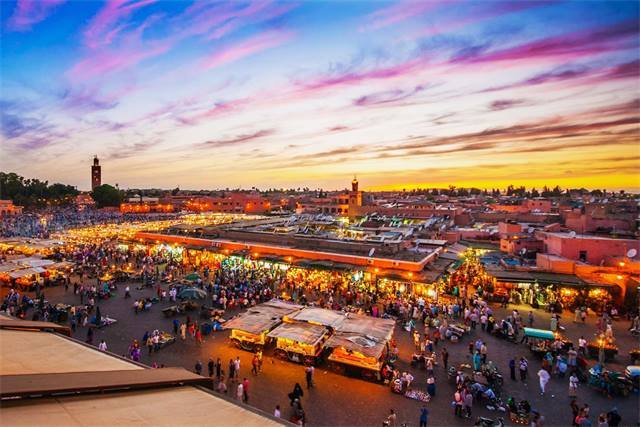
A Marrakech wedding is one of the most popular ways to organise a destination celebration in Morocco. The city combines historic architecture, traditional craftsmanship, hotels, riads, gardens and restaurants.
Wedding in a Marrakech Riad
A riad can provide an intimate atmosphere because its rooms are usually arranged around an interior courtyard. In addition, fountains, tilework, carved wood and traditional arches can provide a strong visual identity for photographs.
However, not every riad is suitable for a large wedding. Couples should therefore confirm capacity, music rules, accessibility and event restrictions before booking.
Private Villas and Gardens
For larger celebrations, private villas and garden venues outside the Medina may provide more space. Furthermore, these properties can be easier for transportation and event production.
The historic Medina of Marrakech is recognisedinspire by UNESCO as a World Heritage Site. Visitors can learn more through the official UNESCO Medina of Marrakesh page .
A traditional riad courtyard in Marrakech can provide inspiration for an intimate Morocco destination wedding.
Sahara Desert Wedding in Morocco
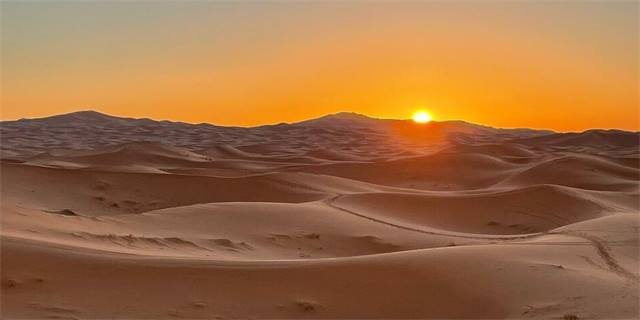
For couples looking for an unusual setting, a Sahara Desert wedding in Morocco can create a very different atmosphere. The Erg Chebbi dunes near Merzouga are particularly famous for their golden sand and dramatic sunsets.
A Symbolic Ceremony Near the Dunes
A small symbolic ceremony can be arranged near the desert landscape with carpets, lanterns and traditional decorative elements. Meanwhile, the surrounding dunes provide a natural background for photographs.
Because the desert environment is remote, planning is especially important. Transportation, weather, guest comfort and accommodation should all be considered in advance.
Luxury Desert Camp Experience
After the ceremony, couples can stay in a desert camp and enjoy dinner beneath the stars. In addition, a Sahara journey can include camel trekking, 4×4 exploration and sunrise or sunset experiences.
Package Morocco already offers private Morocco desert tours that can be included before or after a wedding celebration.

Ait Ben Haddou is a popular stop for couples travelling between Marrakech and southern Morocco.
Best Places for a Wedding in Morocco
Different destinations suit different wedding styles. Therefore, the location should match the couple’s preferred atmosphere, guest needs and travel plans.
| Destination | Wedding Style | Why Couples Choose It |
|---|---|---|
| Marrakech | Riad, villa, palace or garden wedding | Historic architecture, hotels, restaurants and easy access to excursions. |
| Merzouga | Sahara Desert ceremony | Golden dunes, desert camps, sunsets and honeymoon adventures. |
| Atlas Mountains | Mountain retreat wedding | Scenic valleys, peaceful surroundings and boutique properties. |
| Essaouira | Atlantic coastal celebration | Relaxed atmosphere, ocean views and a historic Medina. |
| Fes | Traditional riad celebration | Historic architecture, craftsmanship and cultural atmosphere. |
| Casablanca | Modern luxury wedding | Large hotels, international flight connections and urban facilities. |
Moroccan Wedding Food
Food is central to Moroccan hospitality, and weddings can include generous meals served over several courses. However, menus vary widely according to region, budget, venue and family preferences.
Traditional Wedding Dishes
Depending on the celebration, guests may be served Moroccan salads, pastilla, tagines, roasted meat, couscous, fresh fruit and desserts. Moreover, mint tea and traditional pastries can be served during different moments of the event.
Modern Destination Wedding Menus
International destination weddings may combine Moroccan cuisine with other styles of food. For example, couples can offer traditional dishes during the main dinner while also including vegetarian, gluten-free or international options for guests.
Therefore, couples should discuss dietary requirements directly with their caterer or venue before the event.
Moroccan Wedding Decorations
Moroccan design offers many decorative possibilities. For example, couples may use lanterns, rugs, candles, brass details, embroidered cushions, flowers and ceramic pieces.
Riad Wedding Decoration
A traditional riad may already include detailed tilework and carved architectural features. As a result, simple floral arrangements and candlelight may be enough to create an elegant ceremony setting.
Desert Wedding Decoration
In the desert, decoration can focus on carpets, cushions, low tables and lanterns. Furthermore, neutral colours, often work well with the natural tones of the dunes.
Traditional and Contemporary Styles
Couples do not need to use only traditional decoration. Instead, modern floral designs can be combined with Moroccan textures and furniture. This approach can create a sophisticated destination wedding while still reflecting the location.
Moroccan Wedding Music and Entertainment
Music is one of the elements that gives Moroccan weddings their distinctive energy. Depending on the event, entertainment may include traditional percussion, local musicians, singers or a modern DJ.
Traditional Moroccan Music
Different Moroccan regions have their own musical traditions. Consequently, the entertainment selected for a Marrakech wedding may differ from music associated with northern Morocco or Amazigh communities.
Modern Wedding Entertainment
Destination couples can also create a mixed program. For instance, traditional musicians may welcome the guests before a DJ takes over later in the evening.
This combination is especially useful when wedding guests arrive from several countries and the couple wants both Moroccan and international influences.
Best Time for a Wedding in Morocco
Weather can influence the comfort of both the couple and their guests. Therefore, the best month depends partly on the wedding destination.
Spring Weddings
Spring can offer pleasant conditions in Marrakech and many inland destinations. Moreover, gardens may be particularly attractive during this period.
Autumn Weddings
Autumn is another popular period because temperatures are often more comfortable than during the hottest summer months. In addition, the season can work well for combining Marrakech with a Sahara honeymoon.
Summer Weddings
Summer can be extremely hot in Marrakech and southern Morocco. Consequently, evening events or coastal destinations such as Essaouira may be more comfortable.
Winter Weddings
Winter days can be pleasant in several regions. However, nights may become cold, especially in the mountains and desert. Warm clothing and heating should therefore be considered for outdoor events.
Planning a Destination Wedding in Morocco
Good planning can make the experience much smoother. Couples should first decide whether they want a symbolic celebration, a legally recognisedrecognised. marriage ceremony or a wedding celebration after completing legal formalities elsewhere.
Choose the Wedding Location First
The venue affects almost every other decision. For that reason, couples should first choose between Marrakech, the desert, the coast, the mountains or another destination.
Estimate Your Guest Count
Next, prepare an approximate guest list. A small riad may suit an intimate ceremony, whereas a larger group may require a villa, hotel or dedicated event venue.
Plan Transportation
Transportation is especially important for international guests. Therefore, airport pickup, hotel transfers and group transportation should be arranged in advance.
Allow Extra Time for Guest Travel
Guests may want to discover Morocco before or after the wedding. As a result, adding optional tours can make the destination wedding more enjoyable for everyone.
Morocco Destination Wedding Planning Checklist
- Choose your Morocco wedding destination.
- Select the approximate wedding date and season.
- Confirm venue capacity and event rules.
- Prepare an estimated guest list.
- Check accommodation availability nearby.
- Discuss food and dietary requirements.
- Arrange photography and entertainment.
- Confirm transportation for international guests.
- Decide which Moroccan traditions you want to include.
- Plan honeymoon or post-wedding travel.
- Confirm official marriage requirements separately if needed.
Legal Marriage in Morocco
A destination wedding celebration and a legally recognized marriage are not necessarily the same process. Therefore, international couples should carefully confirm the legal requirements that apply to their circumstances.
Check Official Requirements
Documentation can depend on nationality, marital status and other factors. Consequently, couples should verify current requirements with the appropriate Moroccan authorities and their own embassy or consulate.
In addition, legal requirements can change. Travel blogs, social media posts and venue information should not be treated as a substitute for current official advice.
Travel planning note: If you simply want a symbolic destination wedding or vow celebration in Morocco, the planning process may be different from the process required for a legally recognised, organised marriage. Always confirm legal matters with the relevant official authorities.Morocco Wedding and Honeymoon Ideas
One of the advantages of getting married in Morocco is the opportunity to continue directly into a honeymoon. Because the country offers cities, mountains, desert and coast, couples can create a varied itinerary without leaving Morocco.
Marrakech and Sahara Honeymoon
After a Marrakech wedding, couples can cross the High Atlas Mountains and continue toward Ait Ben Haddou, Dades Valley and Merzouga. Along the way, they can stay in traditional riads and finish with a desert camp experience.
Fes, Chefchaouen and Northern Morocco
Alternatively, newlyweds can travel north toward Fes and Chefchaouen. The route offers historic medinas, mountain landscapes and a slower atmosphere than Marrakech.
Essaouira Coastal Honeymoon
Couples who prefer the ocean can spend several days in Essaouira. Furthermore, the Atlantic coast can provide a relaxed ending after a busy wedding celebration.
Ait Ben Haddou for Wedding and Honeymoon Travel
Ait Ben Haddou is one of the most recognizable historic places in southern Morocco. For couples traveling between Marrakech and the desert, it can be included as a stop during a honeymoon road trip.
The fortified village is officially listed by UNESCO as the Ksar of Ait-Ben-Haddou .
Because of its earthen architecture and surrounding landscape, it is also a memorable place for travel photography. Nevertheless, visitors should respect local residents and any site rules when taking professional photographs.
Private Morocco Tours for Couples and Wedding Guests
A destination wedding can become a complete Morocco holiday. Therefore, couples may want to organize private tours for themselves, relatives or friends before or after the ceremony.
Package Morocco currently offers private tourism packages and Sahara itineraries covering Marrakech, Fes, Chefchaouen, the Atlas Mountains and desert destinations.
Morocco Tourism Packages
Explore private and customizable itineraries combining Morocco’s imperial cities, mountain landscapes, Sahara Desert experiences and cultural attractions.
Explore Morocco Tourism Packages →Morocco Desert Tours
Combine your wedding or honeymoon with Merzouga, Erg Chebbi, camel trekking, desert camping and southern Morocco.
View Morocco Desert Tours →7 Day Tangier to Marrakech Tour
Travel through Chefchaouen, Fes, the Sahara Desert, Todra Gorge, Dades Valley and Ait Ben Haddou before reaching Marrakech.
View the 7-Day Morocco Tour →10 Days Tangier to Marrakech
This longer private itinerary connects northern Morocco with imperial cities, the Sahara Desert, southern kasbahs and Marrakech.
Explore the 10-Day Morocco Tour →Marrakech Holidays
Stay in Marrakech while adding Medina sightseeing, Atlas Mountains experiences, day trips or a longer Sahara Desert journey.
Explore Marrakech Holidays →Best Morocco Tours 2026/2027
Discover longer travel ideas that can be adapted for honeymooners, couples, families and international wedding guests.
See Morocco Tour Ideas →Travel Ideas for Morocco Wedding Guests
Wedding guests often travel a long distance to attend a destination celebration. Therefore, giving them optional activities can make their stay more enjoyable.
Marrakech Medina Tour
Guests can explore historic streets, traditional souks, architecture and local craftsmanship with a local guide.
Atlas Mountains Day Trip
A mountain excursion can provide a relaxing contrast to Marrakech and is suitable for guests who want scenery and village landscapes.
Essaouira Excursion
The Atlantic coast offers seafood, historic streets and a cooler coastal atmosphere, making it a pleasant extension to a Marrakech stay.
Sahara Desert Journey
Guests with several extra days can travel through the High Atlas Mountains, southern valleys and historic kasbahs before reaching Merzouga.
What to Wear to a Moroccan Wedding
Wedding dress codes vary according to the couple and venue. Therefore, guests should first follow any instructions provided on the invitation.
Formal Clothing
Many Moroccan weddings are elegant events, so formal or semi-formal clothing may be appropriate. In addition, guests should consider the season and whether parts of the celebration will be outdoors.
Traditional Moroccan Clothing
Some guests may choose to wear Moroccan clothing such as a caftan, takchita or djellaba. However, this is not automatically expected at every wedding.
Desert or Outdoor Ceremonies
For a desert celebration, comfortable shoes and layers are useful. Although daytime temperatures can be warm, evenings may become considerably cooler.
Morocco Wedding Photography Locations
Morocco offers many visually distinctive locations for couples who want wedding or honeymoon photographs. Nevertheless, permission should always be confirmed when shooting inside private venues or protected sites.
Marrakech Riads
Courtyards, tiles, arches and interior gardens can provide elegant backgrounds. Moreover, photographers can work with natural light entering through the central courtyard.
Palms and Gardens
Gardens and palm-filled locations around Marrakech can create a softer look. Therefore, they work particularly well for couples who want outdoor photographs without traveling far from the city.
Atlas Mountains
Mountain scenery offers dramatic landscapes and can be included in a day trip or honeymoon itinerary.
Merzouga Dunes
The Sahara provides open landscapes and warm colors, especially near sunrise and sunset. However, timing should be planned carefully because midday light can be very strong.
Learning About Moroccan Culture Before the Wedding
Couples and guests can benefit from learning a little about Moroccan culture before traveling. In particular, understanding hospitality, greetings and local customs can make interactions more comfortable.
For additional destination information, travelers can use Morocco’s official tourism website: Visit Morocco .
Furthermore, UNESCO provides detailed background about major Moroccan heritage sites. These authoritative resources are useful for understanding the history behind destinations visited during a wedding or honeymoon trip.
Morocco Wedding and Travel Resources
Morocco tourism packages Morocco desert tours Marrakech holidays Marrakech UNESCO World Heritage Ait Ben Haddou UNESCO Official Morocco tourismFrequently Asked Questions About Morocco Wedding Ceremonies
What happens during a traditional Moroccan wedding?A traditional Moroccan wedding can include family gatherings, henna, traditional clothing, music, dancing, food and a main wedding reception. However, customs vary between regions and families.
How long does a Moroccan wedding last?The main celebration may continue late into the night. In addition, related events such as henna or family gatherings can take place before the wedding day.
What does a Moroccan bride wear?Many brides wear a Moroccan caftan or takchita with embroidery, jewelry and a decorative belt. Moreover, some brides wear several different outfits during the celebration.
What is a Moroccan henna ceremony?A henna ceremony is a pre-wedding gathering during which decorative henna may be applied to the bride’s hands and feet. The exact traditions vary between families.
What is the amaria at a Moroccan wedding?The amaria is a decorated raised platform used at some Moroccan weddings. During the celebration, the bride or couple may be carried above the guests while music plays.
Can foreigners have a destination wedding in Morocco?Yes. International couples can organize symbolic wedding celebrations, private events and destination weddings in Morocco. However, couples seeking a legally recognise ,, marriage should confirm official requirements separately.
Where is the best place for a wedding in Morocco?Popular choices include Marrakech, the Atlas Mountains, Merzouga, Essaouira, Fes and Casablanca. The best location depends on the couple’s preferred atmosphere, guest count and season.
Is Marrakech good for a destination wedding?Marrakech offers riads, villas, gardens and hotels as well as easy access to restaurants, transportation and sightseeing. Therefore, it is a practical option for international destination weddings.
Can we have a Sahara Desert wedding?A symbolic wedding or intimate celebration can be arranged near Morocco’s desert landscapes. Nevertheless, transportation, weather and guest comfort require careful planning.
Can we combine a Morocco wedding with a honeymoon?Yes. Couples can continue from Marrakech to the Atlas Mountains, Ait Ben Haddou, Dades Valley, Merzouga, Fes, Chefchaouen or Essaouira as part of a private honeymoon.
What is the best season for a Morocco wedding?Spring and autumn often provide comfortable conditions in many Moroccan destinations. However, weather varies considerably between Marrakech, the mountains, coast and Sahara.
What food is served at a Moroccan wedding?Menus vary, although celebrations may include salads, pastilla, tagines, meat dishes, fruit, pastries and Moroccan mint tea.
Do all Moroccan brides wear several dresses?No. Some brides change clothing several times, whereas others choose fewer outfits. The decision depends on personal preference, family customs and wedding style.
Can wedding guests take a Morocco tour after the ceremony?Yes. Wedding guests can add Marrakech sightseeing, an Atlas Mountains excursion, Essaouira or a longer private Sahara Desert tour to their trip.
Combine Your Morocco Wedding with an Unforgettable Journey
Turn your destination celebration into a complete Morocco experience. Explore Marrakech, cross the Atlas Mountains, discover ancient kasbahs and continue to the Sahara Desert with a private itinerary designed around your travel plans.
Explore Morocco Packages Explore Sahara Desert Tours Plan Your Morocco Trip



 Addi
 Saaid
 Mohamed
 Yousef
 Wrou
 Hassan