Morocco itinerary 20 days From Agadir
Adding item to wishlist requires an account
Don't have an account? Create one.
Contact Us
Tour Details
This 20 days Morocco itinerary starts in Agadir and takes you across the country from the Atlantic coast to the Sahara Desert and back to the northern shores. Along the way, you’ll explore vibrant cities like Marrakech and Fes, the blue streets of Chefchaouen, the Atlas Mountains, desert valleys, and historic sites such as Ait Benhaddou. The route is designed to show Morocco’s diversity beaches, mountains, deserts, and cultural landmarks in one complete journey.
Departure & Return Location
Agadir / Tangier
Departure Time
8:00 AM
Price Includes
- Transportation in a comfortable 4×4 fuel car&min vun
- Dinner and breakfast in the desert
- Camel ride/sandboarding/sunrise/sunset
- Night in a Berber traditional tent
Price Excludes
- Lunch
- Drinks
- Tips
Highlights – 20-Day Morocco Trip
- Coastal start in Agadir with beaches and relaxed vibes
- Artistic seaside charm of Essaouira
- Vibrant energy and markets in Marrakech
- Scenic drive through the Atlas Mountains
- Iconic ksar of Ait Benhaddou
- Dramatic landscapes of Dades Valley
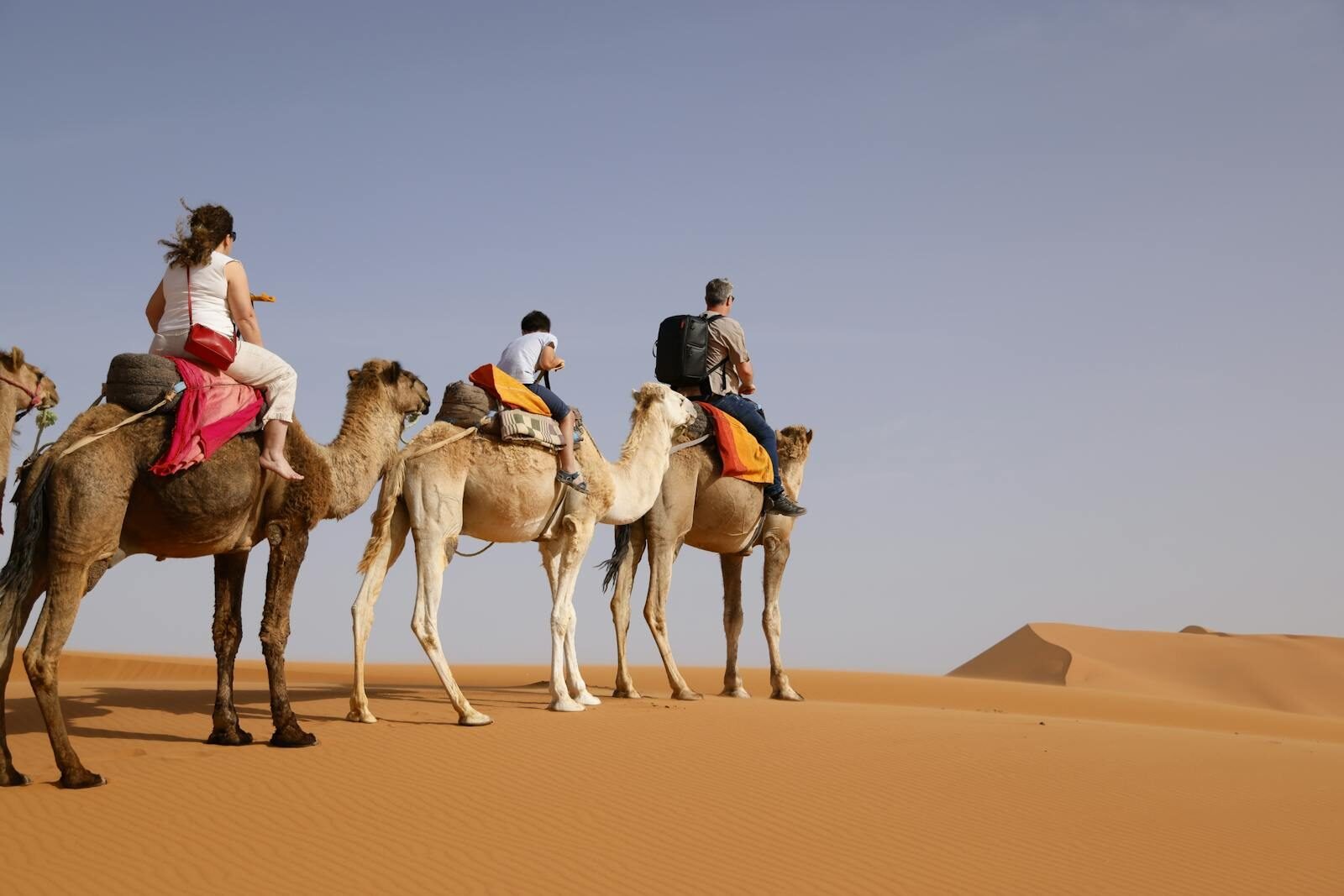
- Camel trek and desert night in Merzouga (Sahara Desert)
- Ancient culture in Fes medina
- Blue mountain town of Chefchaouen
- Historic capital vibe in Rabat
- Modern coastline and landmark mosque in Casablanca
- Final coastal atmosphere in Tangier where two seas meet
Itinerary
Day 1:Agadir
Arrive in Agadir and ease into your trip along Morocco’s Atlantic coast. The city has a relaxed, modern feel compared to historic medinas elsewhere, making it a comfortable starting point. Spend your morning walking along the wide sandy beach, where the promenade stretches for kilometers and offers cafés, palm-lined paths, and ocean views. In the afternoon, head up to the hilltop Agadir Oufella for panoramic views over the bay—especially beautiful near sunset. Explore the marina area for a mix of restaurants and shops, or visit a local souk for your first taste of Moroccan crafts and spices. Keep the day light to recover from travel, enjoy fresh seafood, and get used to the rhythm of the country before heading into more culturally intense cities.
Day 2:Agadir → Essaouira
Travel north along the scenic Atlantic coast toward Essaouira, a laid-back port city known for its artistic atmosphere and sea breeze. The drive takes around three hours and passes argan tree landscapes—sometimes with goats climbing them, a uniquely Moroccan sight. Upon arrival, enter the UNESCO-listed medina, where white-and-blue buildings, narrow streets, and ocean air create a completely different vibe from Agadir. Walk along the historic ramparts of Skala de la Ville, where cannons face the Atlantic waves. Visit the harbor to see fishermen bringing in their daily catch, then choose a small grill spot to enjoy fresh seafood. As evening approaches, wander through artisan shops selling woodwork and textiles. Essaouira’s slower pace makes it ideal for relaxing while still absorbing Moroccan culture.
Day 3:Essaouira
Spend a full day exploring Essaouira at a relaxed pace. Start your morning with a walk through the medina, where local life unfolds in small shops and quiet alleys. The city is known for its artistic scene, so you’ll find galleries showcasing paintings, photography, and handmade crafts. Head back toward the coast to enjoy the long beach, where windsurfers and kitesurfers often fill the horizon thanks to the steady Atlantic winds. You can also take a short camel or horseback ride along the shoreline. Visit the port again in the afternoon for a closer look at traditional blue fishing boats and bustling activity. Don’t miss trying local specialties like grilled sardines or seafood tagine. As the sun sets, the golden light reflecting off the walls gives Essaouira a calm, almost cinematic atmosphere—perfect for a peaceful evening stroll.
Day 4:Essaouira → Marrakech
Leave the coast behind and travel inland to Marrakech, one of Morocco’s most vibrant and iconic cities. The journey takes about three hours and gradually shifts from ocean views to dry plains and palm groves. Upon arrival, the contrast is immediate: Marrakech is energetic, colorful, and full of life. Begin your exploration in the famous Jemaa el-Fnaa, where performers, food stalls, and crowds create a lively atmosphere throughout the day and into the night. Wander into the surrounding souks, a maze of narrow streets filled with spices, lanterns, carpets, and handmade goods. Take your time getting lost—it’s part of the experience. In the evening, return to the square to watch it transform into an open-air dining and entertainment space, offering a memorable introduction to the intensity of Marrakech.
Day 5:Marrakech
Dedicate this day to discovering Marrakech’s historical and cultural landmarks. Start with a visit to the beautifully designed Bahia Palace, known for its intricate tilework and peaceful courtyards. Continue to the Koutoubia Mosque, whose tall minaret dominates the skyline and serves as a reference point throughout the city. Later, explore the serene Majorelle Garden, a botanical oasis filled with exotic plants and vibrant blue architecture. In the afternoon, revisit the souks with a better sense of direction, allowing you to shop more confidently and interact with local vendors. Consider ending your day at a traditional hammam for relaxation or enjoying a rooftop dinner overlooking the medina. Marrakech offers a rich blend of history, art, and sensory experiences that make it unforgettable.
Day 6:Marrakech → Atlas Mountains (Day Trip)
Leave the busy streets of Marrakech behind for a refreshing escape into the Atlas Mountains. The scenery changes quickly as you travel through small villages, olive groves, and winding roads leading into the highlands. Spend the day exploring traditional Berber villages, where life moves at a slower, more authentic pace. You can take a short guided walk through valleys or visit a local home for tea, offering insight into mountain culture and hospitality. The fresh air and dramatic landscapes provide a striking contrast to the city. Depending on your route, you may pass through areas like Imlil, a popular base for trekking. Enjoy a simple lunch with mountain views before heading back to Marrakech in the late afternoon. This day adds natural beauty and cultural depth to your itinerary.
Day 7: Marrakech → Ait Benhaddou → Ouarzazate
Depart early for one of Morocco’s most scenic drives across the High Atlas via the Tizi n’Tichka pass. The road offers stunning views of mountains, valleys, and remote villages. Stop at the famous fortified village of Ait Benhaddou, a UNESCO World Heritage site known for its earthen architecture and film history. Walk through its narrow alleys and climb to the top for panoramic views of the surrounding desert landscape. After exploring, continue to Ouarzazate, often called the “gateway to the Sahara.” The town has a calm, desert-edge atmosphere and is home to film studios and kasbahs. Spend the evening relaxing and preparing for the journey deeper into southern Morocco, where landscapes become more rugged and dramatic.
Day 8:Ouarzazate → Dades Valley
Travel from Ouarzazate into the heart of Morocco’s desert valleys. Along the way, pass through the Valley of Roses, especially beautiful in spring, and continue toward the Dades Valley. The scenery gradually shifts to dramatic rock formations, winding roads, and lush pockets of greenery fed by rivers. Stop at viewpoints to take in the famous “monkey fingers” rock formations and deep canyon landscapes. You may also visit small villages where traditional kasbahs blend into the terrain. The pace here is slower, allowing you to appreciate the natural beauty and quiet atmosphere. Spend the night in a guesthouse overlooking the valley, where the silence and star-filled sky create a memorable experience far removed from city life.
Day 9:Dades Valley → Merzouga (Sahara Desert)
Continue your journey toward the Sahara Desert, passing through changing landscapes that become increasingly arid and expansive. You may stop at Todra Gorge, a spectacular canyon with towering rock walls that attract climbers and travelers alike. As you approach Merzouga, the first golden sand dunes of the Sahara appear on the horizon, marking a dramatic shift in scenery. In the afternoon, prepare for a camel trek into the desert, where you’ll ride across the dunes as the sun begins to set. The colors of the sand shift beautifully in the evening light. Arrive at a desert camp where you’ll enjoy traditional food, music, and a night under the stars—one of the most unforgettable experiences in Morocco.
Day 10: Merzouga (Sahara Desert)
Wake up early in the Sahara Desert to witness sunrise over the dunes, one of the most memorable moments of the journey. The soft light gradually reveals the vast landscape, creating a calm and almost surreal atmosphere. After breakfast at the camp, you can choose to return to Merzouga by camel or 4×4 vehicle. Spend the rest of the day exploring the surrounding desert region. You may visit nearby villages, meet local communities, or discover fossil areas and dry lake beds. Another option is to relax at your accommodation and enjoy the quiet environment. The desert offers a rare sense of stillness that contrasts strongly with the busy cities earlier in your trip. In the evening, enjoy another peaceful sunset and a comfortable night, either in a hotel or desert lodge.
Day 11: Merzouga → Fes
Today is a long travel day as you head north toward Fes. The journey takes you through a wide variety of landscapes, from desert plains to cedar forests in the Middle Atlas region. Along the way, you may pass through towns like Midelt and Ifrane, the latter often called the “Switzerland of Morocco” due to its alpine-style architecture and cooler climate. Keep an eye out for wild monkeys in the cedar forests near Azrou. The changing scenery makes the long drive more interesting, offering a different perspective on the country’s geography. Arrive in Fes in the evening, where the atmosphere shifts again to a more traditional and historical setting. Check into your accommodation and rest after the journey.
Day 12:Fes
Spend the day exploring Fes, one of the most historic and culturally rich cities in Morocco. Begin in the old medina, a maze of narrow streets filled with markets, workshops, and daily life. The area is known for its traditional craftsmanship, including leather, ceramics, and textiles. Visit the famous Chouara Tannery, where leather is still processed using centuries-old methods. Continue to historic schools and religious sites that showcase intricate architecture and design. Walking through Fes feels like stepping back in time, with minimal modern influence in many areas. A local guide can help you navigate and better understand the history and culture. In the evening, enjoy a traditional meal and take in the quieter side of the city after the daytime crowds.
Day 13:Fes → Chefchaouen
Leave Fes and travel դեպի Chefchaouen, a small town set in the Rif Mountains. The journey takes several hours but offers scenic views of hills and rural landscapes. Upon arrival, you will immediately notice the town’s distinctive blue-painted buildings. Spend the afternoon walking through its peaceful streets, where every corner offers a photo opportunity. The slower pace and relaxed atmosphere make it a perfect place to unwind after the intensity of Fes. Explore small shops, enjoy local food, and take your time discovering hidden alleys and viewpoints. As the day ends, the soft mountain light enhances the blue tones of the medina, creating a calm and picturesque setting.
Day 14Chefchaouen
Enjoy a full day in Chefchaouen at a relaxed pace. Start with a walk through the medina in the early morning before it gets busy, allowing you to appreciate its quiet charm. You can hike up to the Spanish Mosque for a panoramic view of the town and surrounding mountains. The hike is relatively short and rewarding, especially around sunrise or sunset. Spend the rest of the day browsing local shops that sell handmade goods, textiles, and souvenirs unique to the region. Chefchaouen is also a great place to relax in a café and enjoy the peaceful surroundings. Compared to larger cities, it offers a slower, more reflective travel experience that balances your itinerary.
Day 15:Chefchaouen → Casablanca or Marrakech
On your final day, travel from Chefchaouen to either Casablanca or Marrakech, depending on your departure plans. The journey is long, so it is best to leave early. If heading to Casablanca, you may have time to visit the impressive Hassan II Mosque, one of the largest mosques in the world, located by the ocean. If returning to Marrakech, you will re-enter the vibrant atmosphere of the city for a final night or direct departure. This day marks the end of a diverse journey through Morocco, covering coastal towns, mountains, desert landscapes, and historic cities.
Day 16:Casablanca → Rabat
After the intensity of travel days, Day 16 offers a more relaxed cultural experience. Start your morning in Casablanca if you stayed overnight, with an optional visit or second look at the impressive Hassan II Mosque, especially if you missed it earlier. Then travel north to Rabat, Morocco’s capital, which is calmer and more organized than other major cities. Once there, explore highlights such as the Kasbah of the Udayas, a peaceful area with white-and-blue architecture overlooking the ocean. Walk along the Bou Regreg river and visit the Hassan Tower, an unfinished minaret surrounded by historic columns. Rabat offers a cleaner, less chaotic atmosphere, making it a pleasant place to slow down. End your day with a quiet evening by the coast or in the medina center before continuing your journey.
Day 17:Rabat → Chefchaouen
Begin the day in Rabat with a relaxed morning, as the city has a calm and organized feel compared to Morocco’s larger urban centers. You can revisit the coastal areas for a final walk along the Atlantic or explore any missed landmarks such as the Chellah, an ancient Roman and medieval site filled with ruins, gardens, and storks nesting on old walls. Afterward, begin the journey north toward Chefchaouen through rolling hills and rural landscapes. The drive gradually becomes more scenic as you approach the Rif Mountains. Arriving in Chefchaouen feels like entering a different world, with its signature blue-painted streets and peaceful mountain setting. Spend the evening wandering slowly through the medina, enjoying the quiet atmosphere and soft lighting that gives the town its unique charm. This day serves as a transition from historic coastal cities to the more relaxed mountain lifestyle.
Day 18:Chefchaouen
Day 18 is a full immersion into the relaxed mountain town of Chefchaouen. Start your morning early by exploring the quiet medina before it becomes busy. The soft blue walls and narrow alleys are especially peaceful in the morning light, making it the best time for photography and slow wandering. Take your time discovering hidden corners, small artisan shops, and local cafés tucked into the hillside streets. Later in the morning, hike up to the Spanish Mosque viewpoint, located just outside the town. The short climb rewards you with a wide panoramic view of Chefchaouen framed by the Rif Mountains, especially beautiful when the light changes throughout the day. In the afternoon, relax in a café in the main square, observing local life and enjoying the calm rhythm of the town. End the day with another walk through the medina at sunset, when the blue tones become softer and the atmosphere feels almost dreamlike.
Day 19:Chefchaouen → Tangier
Start the day with a final relaxed morning in Chefchaouen, taking time for a last walk through its quiet blue streets. This is a good moment to revisit favorite spots, pick up souvenirs, or simply enjoy a slow breakfast in a rooftop café overlooking the mountains. Late morning, depart toward Tangier, a major port city where the Mediterranean and Atlantic meet. The drive offers changing landscapes, from mountain scenery to coastal views as you approach the northern edge of Morocco. Once in Tangier, begin exploring the city’s lively port area and modern waterfront. You can walk along the Corniche, where the sea breeze and open views create a refreshing contrast to the mountain town you left behind. In the afternoon, explore the old medina, which has a different character from other Moroccan cities—more international and influenced by its strategic location. End the day with a sunset view over the Strait of Gibraltar, marking a dramatic shift in your journey from mountains to sea.
Day 20:Tangier → Departure / End of trip
Begin your final day in Tangier with a relaxed morning, taking in the last views of the Mediterranean and Atlantic meeting point. If time allows, visit the Caves of Hercules, a famous coastal site with dramatic sea openings and natural rock formations just outside the city. You can also enjoy a final walk through the old medina, picking up last-minute souvenirs or simply soaking in the atmosphere of the northern coast. The contrast between historic alleys, modern cafés, and sea views makes Tangier a fitting place to end the journey. Depending on your travel plans, head to the airport or ferry terminal for departure. Day 20 is not about sightseeing intensity, but about reflection—closing a 20 days journey that moved from Atlantic beaches to mountains, deserts, and historic imperial cities across Morocco.
FAQs About 20 Days Morocco Itinerary from Agadir
Is 20 days enough to explore Morocco?
Yes, 20 days is perfect to explore Morocco in depth, including cities, mountains, desert, and coastal areas.
What is included in a 20 days Morocco itinerary from Agadir?
It usually includes transportation, driver/guide, accommodations, camel trekking, and guided visits in major cities.
What are the main destinations in a 20-day Morocco trip?
Top destinations include Marrakech, Fes, Chefchaouen, Merzouga, and Casablanca.
Is this itinerary suitable for families or couples?
Yes, a 20-day Morocco itinerary is ideal for families, couples, and private travelers.
When is the best time to visit Morocco for 20 days?
Spring (March–May) and autumn (September–November) offer the best weather.
Does the itinerary include a Sahara desert experience?
Yes, most 20-day itineraries include a visit to the Sahara Desert with camel trekking and overnight stay.
How long is the drive from Agadir to the Sahara Desert?
It usually takes 8–10 hours with scenic stops along the way.
Can I customize my Morocco itinerary?
Yes, private tours can be fully customized depending on your interests and travel style.
Map
Related Tours