Morocco itinerary 15 days from Agadir
Adding item to wishlist requires an account
Don't have an account? Create one.
Contact Us
Tour Details
This 15 days itinerary covers Morocco from the Atlantic coast to the Sahara Desert and northern mountains. Starting in Agadir, the route includes major highlights such as imperial cities, desert landscapes, and historic medinas. It is planned in a logical flow to minimize backtracking while allowing time to experience each region properly, from relaxed coastal towns to vibrant cultural centers.
Departure & Return Location
Agadir / Casablanca
Departure Time
8:00 AM
Price Includes
- Transportation in a comfortable 4×4 fuel car
- Dinner and breakfast in the desert
- Camel ride/sandboarding
- Night in a Berber traditional tent
- Fes and Marrakech tour guided
Price Excludes
- Lunch
- Drinks
- Tips
Highlights
- Beaches and relaxed vibe in Agadir
- Coastal charm and medina in Essaouira
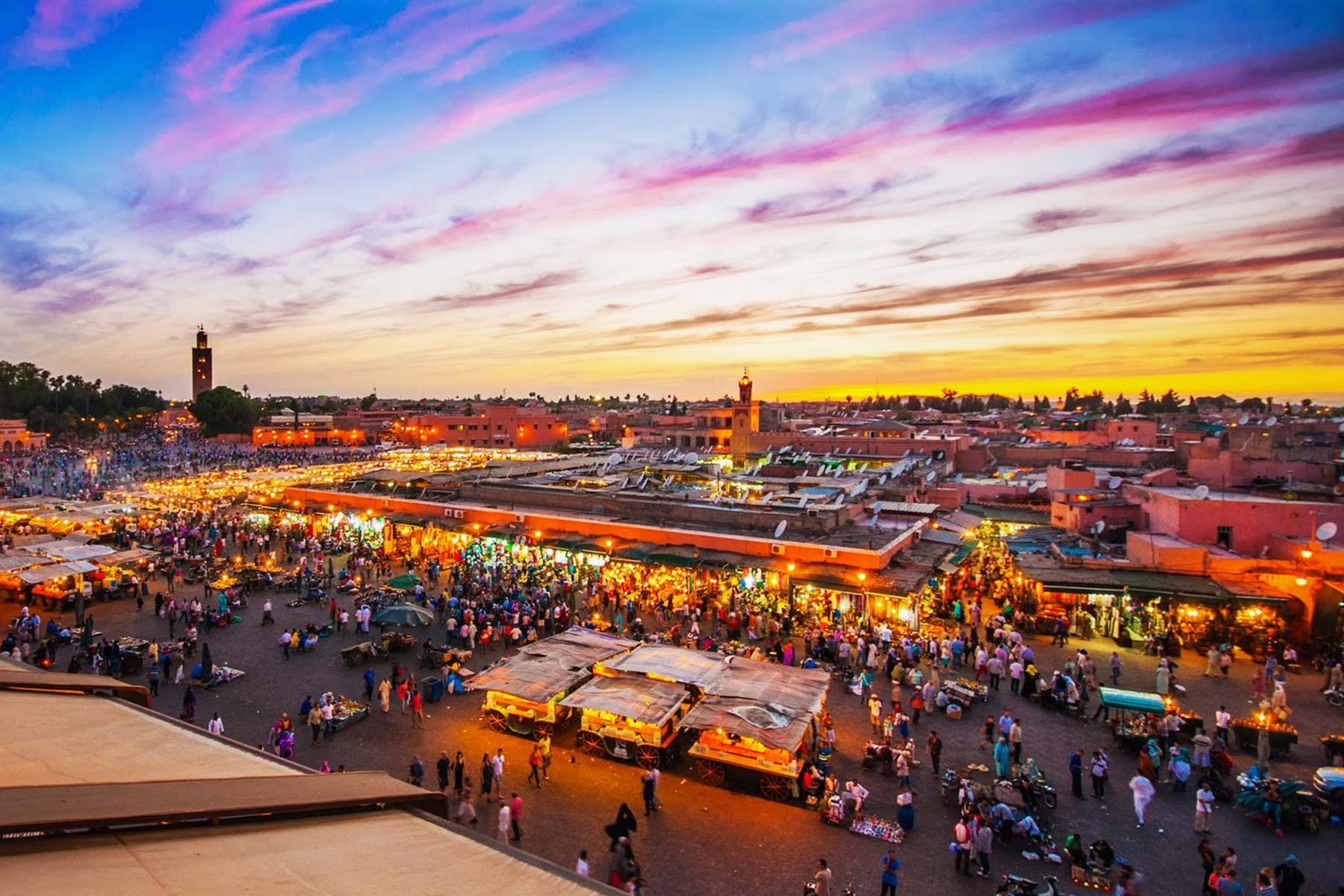
- Bustling souks and street life at Jemaa el-Fnaa in Marrakech
- Scenic landscapes of the Atlas Mountains
- Ancient ksar of Ait Benhaddou
- Dramatic views in Dades Valley
- Camel trek and desert camp in Sahara Desert (Merzouga)
- Historic medina of Fes
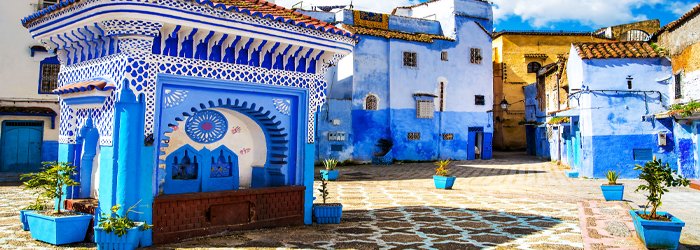
- Blue-painted streets of Chefchaouen
- Grand architecture in Casablanca
Itinerary
Day 1: Arrival in Agadir
Arrive in Agadir, a relaxed coastal city known for its wide sandy beaches and year-round sunshine. After checking into your accommodation, spend the day recovering from travel while getting your first taste of Morocco’s Atlantic charm. A stroll along the seaside promenade offers an easy introduction, with cafés and restaurants lining the coast. In the afternoon, consider visiting the Agadir Oufella Ruins, perched above the city, where you can enjoy panoramic views of the bay and watch the sunset. Agadir’s modern feel makes it less overwhelming than older cities, allowing you to ease into the culture at your own pace. In the evening, enjoy a fresh seafood dinner or try a traditional Moroccan tagine. Rest well tonight, as your journey ahead will take you through diverse landscapes and vibrant cities across the country.
Day 2: Coastal Escape to Taghazout
Today, take a short trip north to Taghazout, a small fishing village turned surf destination with a laid-back atmosphere. The drive itself is scenic, hugging the coastline and offering glimpses of the Atlantic Ocean. Once there, spend your time exploring the village’s quiet streets, relaxing in beachfront cafés, or trying a surf lesson if you’re feeling adventurous. Taghazout is known for its friendly vibe and slower pace, making it a perfect contrast to busier cities later in your itinerary. You can also simply walk along the beach, watch local fishermen bring in their catch, or enjoy the sound of the waves. Lunch by the sea is highly recommended, with fresh grilled fish being a local specialty. In the late afternoon, return to Agadir or stay overnight for a more immersive experience by the ocean.
Day 3 :Journey to Essaouira
Leave Agadir behind and travel north along the Atlantic coast toward Essaouira, a journey of about three hours filled with scenic views. Along the way, you may even spot goats climbing argan trees, a unique sight in this region. Upon arrival, you’ll notice a shift in atmosphere, as Essaouira’s medina, a designated UNESCO World Heritage Site, offers a blend of history, art, and coastal charm. Spend the afternoon wandering through its narrow streets, where whitewashed buildings with blue accents create a distinctive aesthetic. Browse artisan shops selling woodwork, textiles, and jewelry, and make your way to the harbor to watch the iconic blue fishing boats. The sea breeze keeps the city cool and refreshing. End your day with a dinner of freshly caught seafood at a local restaurant overlooking the ocean.
Day 4 :Exploring Essaouira
Dedicate today to fully experiencing Essaouira’s unique character and relaxed rhythm. Begin with a visit to the historic Skala de la Ville, where old cannons line the walls and offer sweeping views of the Atlantic Ocean crashing against the rocks below. Continue exploring the medina, where you’ll find art galleries, small cafés, and bustling markets that are far less chaotic than those in larger cities. The beach is another highlight, stretching for miles and often dotted with kitesurfers taking advantage of the strong winds. Take a long walk along the shore or simply relax and enjoy the fresh sea air. Essaouira’s cultural blend, influenced by Berber, Arab, and European traditions, is reflected in its food, music, and architecture, making it one of Morocco’s most charming and memorable coastal destinations.
Day 5:Drive to Marrakech
Today, depart the coast and head inland to Marrakech, a journey of around three hours that gradually transitions from ocean views to arid landscapes. Upon arrival, you’ll immediately notice the contrast between Essaouira’s calm and Marrakech’s vibrant energy. Begin your exploration at the famous Jemaa el-Fnaa, a lively square filled with street performers, food stalls, and local vendors. As the sun sets, the atmosphere becomes even more dynamic, with music, storytelling, and the aroma of traditional dishes filling the air. Venture into the surrounding souks, where narrow alleys are packed with colorful goods, from spices to handmade crafts. Marrakech can feel intense at first, but it’s also incredibly rewarding. This evening is about immersing yourself in the sensory experience of the city before diving deeper into its history and culture in the days ahead.
Day 6 :Discovering Marrakech in Depth
Spend your first full day immersing yourself in the rich history and vibrant culture of Marrakech. Begin with a visit to the beautiful Majorelle Garden, a peaceful oasis filled with exotic plants and striking blue architecture. Then head to the Bahia Palace, where intricate tilework and serene courtyards reflect Morocco’s architectural elegance. Wander through the winding souks, where artisans craft leather goods, textiles, and lanterns, offering a glimpse into traditional craftsmanship. Pause for lunch in a hidden riad before continuing to explore. In the late afternoon, consider visiting a traditional hammam for a relaxing spa experience. As evening falls, return to Jemaa el-Fnaa, where the atmosphere transforms into a lively open-air theater filled with music, food, and storytelling.
Day 7: Atlas Mountains Adventure in the High Atlas Mountains
Leave the city behind for a day trip into the breathtaking High Atlas Mountains. Travel toward a Berber village such as Imlil, where dramatic landscapes and fresh mountain air provide a refreshing contrast to Marrakech’s bustle. Along the way, you’ll pass terraced fields, small villages, and winding roads offering spectacular views. Spend the day hiking at your own pace, guided or independently, discovering waterfalls and traditional homes built into the hillsides. You may have the opportunity to share tea with a local family, gaining insight into Berber culture and daily life. Lunch is often served with panoramic mountain views, making it a memorable experience. Return to Marrakech in the evening, feeling rejuvenated by nature. This day adds variety to your itinerary and highlights Morocco’s incredible geographic diversity beyond its cities.
Day 8:Crossing to Aït Benhaddou and Ouarzazate
Begin an early journey across the High Atlas via the Tizi n’Tichka pass, one of Morocco’s most scenic drives. The road winds through mountain landscapes, offering dramatic views at every turn. Your main stop is Aït Benhaddou, a UNESCO-listed ksar famous for its earthen clay architecture and appearances in many films. Explore its narrow alleys and climb to the top for sweeping desert views. Continue to Ouarzazate, often called the “Gateway to the Sahara,” where the scenery becomes more arid and cinematic. Depending on your timing, you may visit a film studio or simply relax after the long drive. The shift in landscape from green mountains to desert tones marks the beginning of your journey toward the Sahara.
Day 9:Through Valleys to Todra Gorge and Dades Valley
Today’s journey takes you deeper into southern Morocco through dramatic landscapes known as the Valley of a Thousand Kasbahs. Pass through palm-filled oases and traditional villages before reaching the towering cliffs of Todra Gorge, where sheer rock walls rise high above a narrow riverbed. Take time to walk through the gorge, enjoying the cool shade and impressive natural formations. Continue on to the Dades Valley, famous for its winding roads and unique rock formations. The scenery here is both rugged and beautiful, offering excellent photo opportunities. Spend the night in a local guesthouse or riad, where you can enjoy traditional Moroccan cuisine and warm hospitality. This day is all about the journey, with constantly changing landscapes that showcase the country’s natural beauty.
Day 10:Journey to the Sahara and Merzouga
Today you continue your adventure toward the edge of the Sahara Desert, traveling through ever more arid and dramatic landscapes. Along the way, you’ll pass small desert towns, rocky plateaus, and occasional palm groves that break the golden scenery. By afternoon, you’ll arrive in Merzouga, a village known as the gateway to the towering Erg Chebbi dunes. After a short rest, prepare for one of the highlights of your trip: a camel trek into the desert. As you ride across the sand, the light begins to soften, casting warm hues across the dunes. Arriving at your desert camp, you’ll be welcomed with traditional hospitality. Enjoy a Moroccan dinner under the stars, followed by music around the fire. The silence and vastness of the desert create a truly unforgettable atmosphere unlike anywhere else in Morocco.
Day 11:Sunrise in the Sahara and Desert Exploration
Wake early to witness a breathtaking sunrise over the dunes, as the changing colors transform the desert landscape. After breakfast at camp, you can choose to return to Merzouga by camel or 4×4. The rest of the day offers opportunities to explore the surrounding desert region. Visit nomadic families to learn about their way of life, or discover the nearby village of Khamlia, known for its traditional Gnawa music. You can also relax at your hotel, enjoy the pool, or take a short walk along the dunes. The slower pace allows you to fully appreciate the stillness and beauty of the Sahara. In the evening, enjoy another peaceful night under the stars or stay in a comfortable desert lodge. This day is about connecting with the landscape and experiencing the rhythm of desert life.
Day 12:Journey North toward Fes via the Middle Atlas
Depart Merzouga early for a long but scenic drive north toward Fes. The journey takes you through the Middle Atlas Mountains, offering a striking contrast to the desert you’ve just left behind. Pass through towns like Erfoud and Midelt, where you can stop for lunch and rest. As you continue, the landscape gradually changes to forests of cedar trees and cooler temperatures. You may even encounter wild monkeys in the forests near Azrou. By evening, arrive in Fes, one of Morocco’s oldest and most culturally rich cities. Check into your riad within or near the medina and enjoy a relaxing evening. After the long journey, take time to unwind and prepare for a full day of exploration in this historic destination.
Day 13:Exploring the Historic Heart of Fes
Spend the day discovering Fes, a city renowned for its deep history and traditional craftsmanship. Begin in Fes el Bali, one of the world’s largest car-free urban areas, where narrow alleys lead to markets, mosques, and workshops. Visit the famous Al Quaraouiyine University, considered one of the oldest universities in the world. Continue to the Chouara Tannery, where leather is still dyed using centuries-old techniques, creating a colorful and unique scene. As you explore, you’ll encounter artisans crafting pottery, textiles, and metalwork, preserving traditions passed down through generations. Fes offers a more authentic and less commercial experience compared to other cities, making it a fascinating place to learn about Morocco’s heritage. End your day with a traditional dinner in your riad.
Day 14: Blue Streets of Chefchaouen
Today you travel north toward the Rif Mountains to reach Chefchaouen, one of Morocco’s most picturesque towns. The journey from Fes takes several hours, but the changing landscapes—rolling hills, olive groves, and mountain scenery—make it enjoyable. Once you arrive, the atmosphere immediately feels calmer and more relaxed compared to larger cities. Chefchaouen is famous for its blue-painted streets and buildings, creating a dreamlike setting perfect for wandering without a fixed plan. Spend your afternoon exploring the medina’s narrow alleys, discovering small artisan shops, and enjoying peaceful cafés tucked into quiet corners. A short hike up to the Spanish Mosque viewpoint offers a stunning panoramic view of the blue town against the mountains, especially at sunset. Dinner can be enjoyed in a rooftop restaurant overlooking the medina, where the soft evening light enhances the city’s unique charm.
Day 15:Return to Casablanca and Departure
On your final day, begin your journey toward Casablanca, Morocco’s largest and most modern city. The drive from Chefchaouen takes several hours, so an early departure is recommended. Upon arrival, if time allows before your flight, visit the impressive Hassan II Mosque, one of the largest mosques in the world, beautifully located along the Atlantic coastline. Its architecture, intricate details, and oceanfront setting make it a memorable final stop in your journey. You can also take a short walk along the Corniche or enjoy a relaxed meal before heading to the airport. This final day marks the end of your 15-day Moroccan adventure, filled with coastal towns, imperial cities, mountain landscapes, and the unforgettable Sahara Desert experience.
Frequently Asked Questions (FQAs)
❓ Is 15 days enough to explore Morocco?
Yes, 15 days is perfect to explore Morocco in depth, covering cities, mountains, coast, and the Sahara Desert at a relaxed pace.
❓ What is the best route for 15 days Morocco itinerary from Agadir?
The best route is:
Agadir → Essaouira → Marrakech → Sahara Desert → Fes → Chefchaouen → Rabat → Casablanca.
❓ How much does a 15-day Morocco tour cost?
- Budget: $1500 – $2000
- Standard: $2000 – $3000
- Luxury: $3000 – $6000+
❓ What is the best time to visit Morocco?
Spring and autumn offer the best weather for cities and desert travel.
❓ Is Morocco safe for a 15-day trip?
Yes, Morocco is safe and popular for long trips, especially with organized tours or private drivers.
Map
Related Tours
Morocco Tour Tangier Fes 3 days