Mosaic Art Morocco: The Timeless Beauty of Moroccan Mosaics
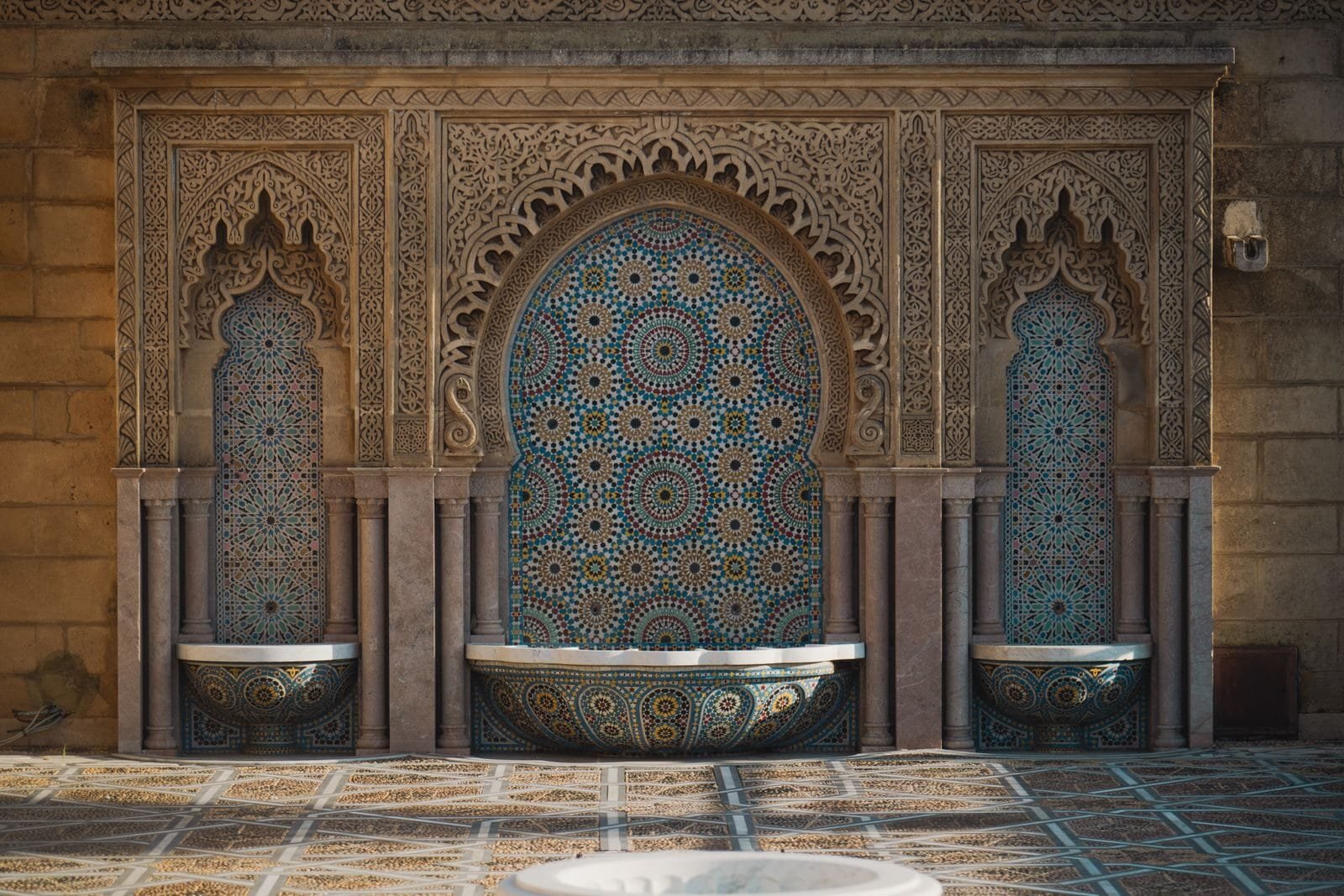
Moroccan mosaic art is one of the most remarkable forms of artistic expression in Morocco. Known for its intricate geometric patterns, vibrant colors, and exceptional craftsmanship, Moroccan mosaic art has decorated palaces, mosques, riads, and public spaces for centuries. Today, visitors from around the world admire these stunning works of art for their beauty and cultural significance.
Moroccan artisans create mosaic art by carefully arranging small pieces of handcrafted tiles into detailed patterns. As a result, every design reflects patience, skill, and creativity. Moreover, each mosaic tells a story about Morocco’s rich artistic heritage.
What Is Moroccan Mosaic Art?
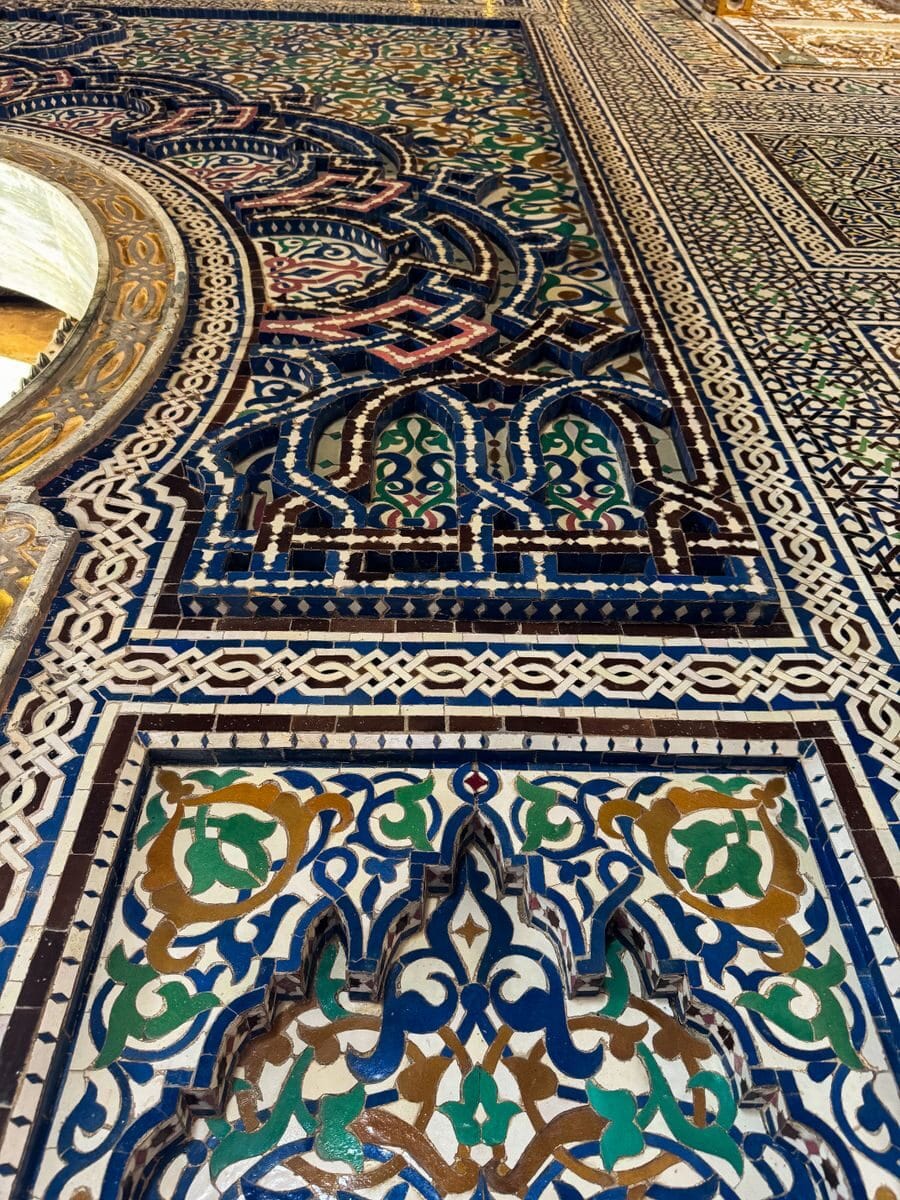
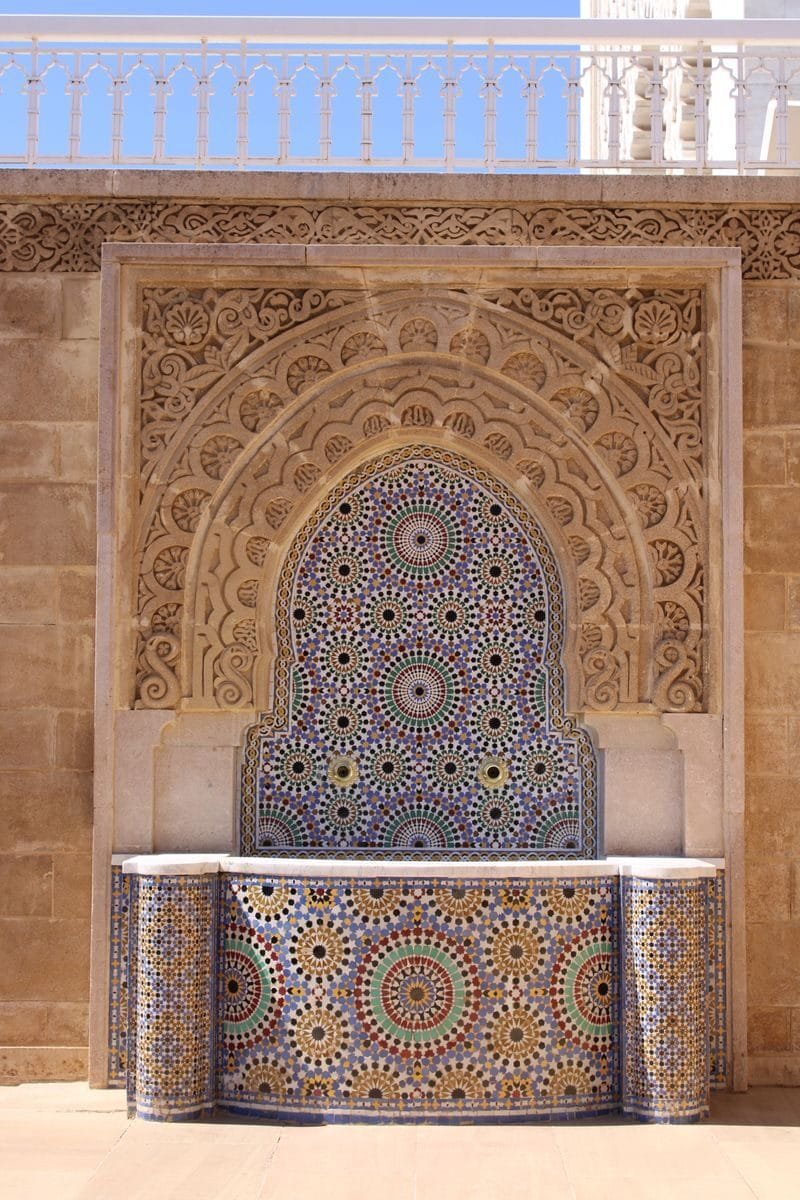
Moroccan mosaic art consists of small hand-cut ceramic pieces assembled into geometric designs. Artisans call this traditional technique zellige. Unlike machine-made decorations, Moroccan mosaics require skilled craftsmen to cut and place every piece by hand.
Furthermore, Moroccan mosaic art follows mathematical principles that create balance and harmony. This unique approach has made Moroccan mosaics famous worldwide.
The History of Mosaic Art in Morocco
The history of Moroccan mosaic art dates back many centuries. Influences from Islamic, Andalusian, and Amazigh traditions helped shape the distinctive style seen today. Over time, Moroccan craftsmen perfected their techniques and developed increasingly complex designs.
Historic cities such as Fez, Marrakech, Meknes, and Rabat became important centers of mosaic production. Today, visitors can still admire magnificent examples of traditional mosaic art throughout Morocco.
Amazing 5 days Morocco trip thanks to Siad
Huge thank you to Siad for an incredible 5-day trip in Morocco, including the Sahara! He was an amazing, kind, and very supportive guide throughout the journey. Everything was perfectly organised, and the experience truly…
How Moroccan Mosaic Art Is Made
Creating Moroccan mosaics requires patience and precision.
Clay Preparation
Artisans begin by preparing natural clay. They shape the clay into tiles and allow it to dry naturally.
Firing and Glazing
Next, craftsmen fire the tiles in traditional kilns. They then apply colorful glazes to create vibrant finishes.
Hand Cutting
After firing, artisans cut each tile into precise shapes using specialized tools. Consequently, they can create highly detailed geometric patterns.
Mosaic Assembly
Finally, craftsmen arrange thousands of individual pieces into complex artistic designs. As a result, each finished mosaic becomes a unique masterpiece.
Why Moroccan Mosaic Art Is Unique
Moroccan mosaic art stands apart from other decorative traditions for several reasons.
Handmade Excellence
Every mosaic is handcrafted by skilled artisans.
Geometric Precision
Moroccan mosaics feature intricate patterns based on mathematical symmetry.
Rich Cultural Heritage
The art reflects centuries of Moroccan history and tradition.
Vibrant Colors
Moroccan artisans use bold colors that bring life and energy to their creations.
Timeless Beauty
These mosaics remain attractive regardless of changing design trends.
Popular Colors in Moroccan Mosaic Art
Moroccan mosaics often feature a combination of vibrant colors.
Blue
Blue symbolizes serenity and reflects Morocco’s beautiful skies.
Green
Green holds cultural and historical significance throughout Morocco.
White
White creates a clean and elegant appearance.
Yellow
Yellow adds warmth and brightness to mosaic compositions.
Multicolored Designs
Many traditional mosaics combine several colors to create striking visual effects.
Where Moroccan Mosaic Art Is Used
Moroccan mosaic art appears in many locations.
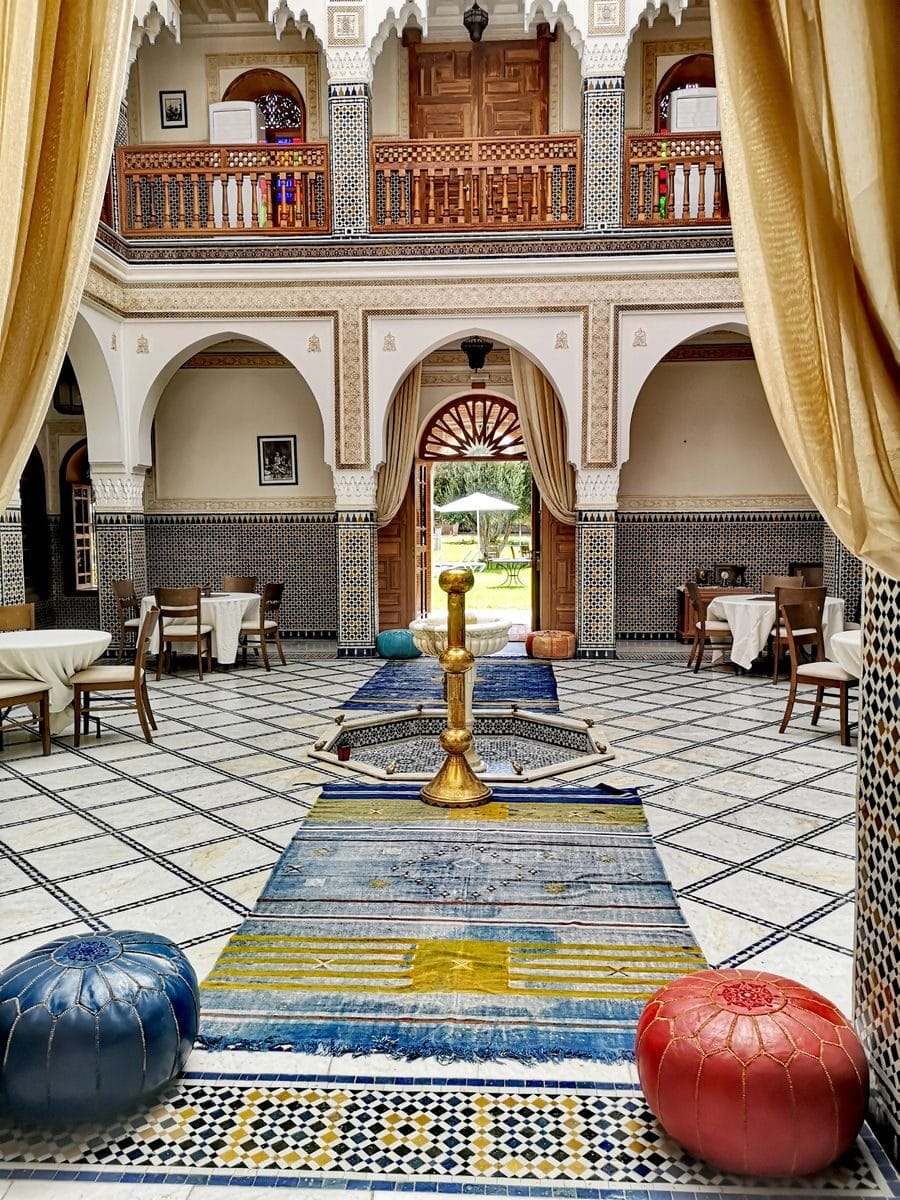
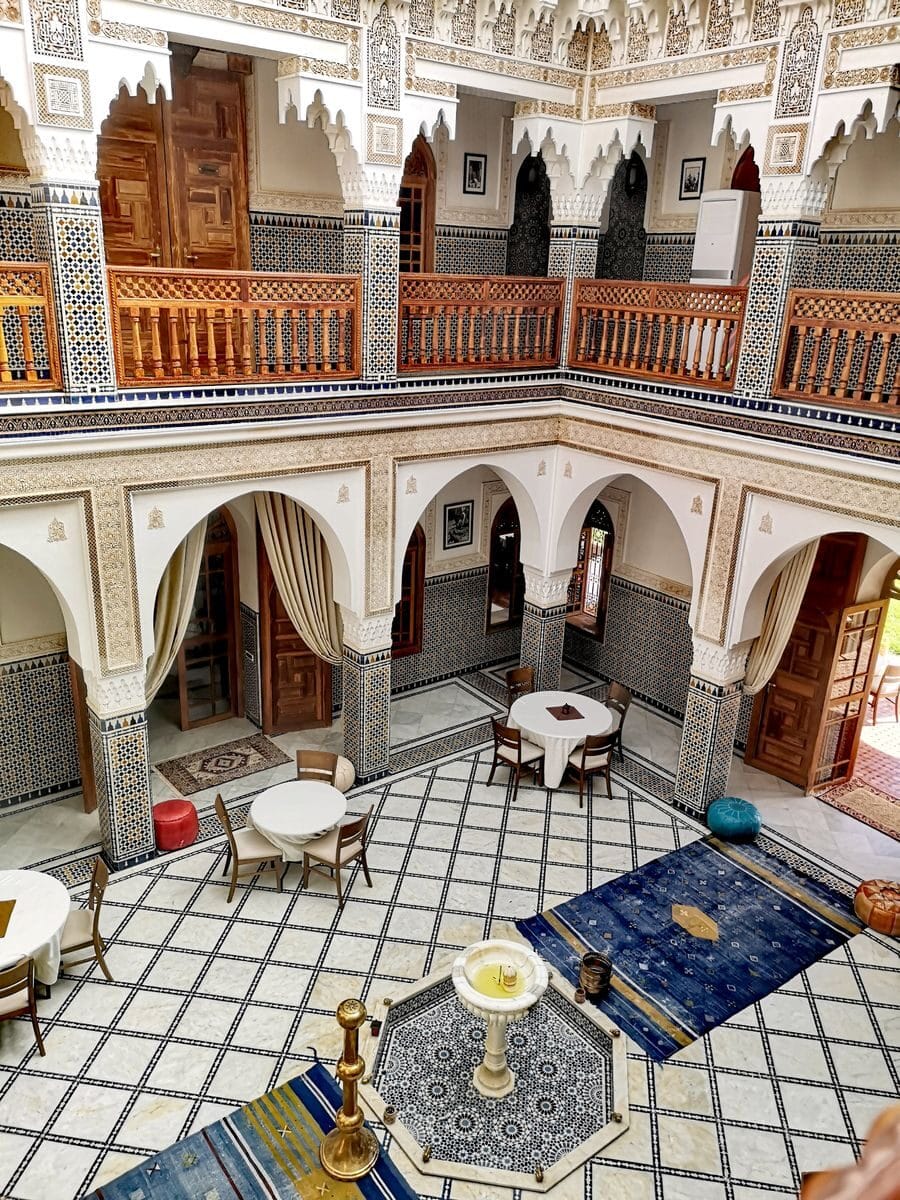
Traditional Riads
Riads often feature mosaics in courtyards, fountains, and walls.
Mosques
Many historic mosques showcase extraordinary mosaic craftsmanship.
Palaces
Royal palaces contain some of Morocco’s most elaborate mosaic designs.
Hotels and Resorts
Luxury hotels frequently incorporate Moroccan mosaics into their interiors.
Modern Homes
Homeowners use mosaics in kitchens, bathrooms, patios, and decorative walls.
Famous Moroccan Mosaic Patterns
Moroccan artisans create numerous geometric patterns.
Popular designs include:
- Stars
- Octagons
- Floral motifs
- Interlocking polygons
- Symmetrical geometric shapes
Additionally, craftsmen often combine several patterns within a single composition to create extraordinary visual effects.
Moroccan Mosaic Art and Interior Design
Modern designers continue to embrace Moroccan mosaic art. For example, they use mosaics for kitchen backsplashes, bathroom walls, swimming pools, and decorative accents.
Moreover, Moroccan mosaics blend beautifully with both traditional and contemporary interiors. Therefore, they remain a popular choice among architects and homeowners worldwide.
Sustainable Benefits of Moroccan Mosaic Art
Moroccan mosaics support sustainable craftsmanship.
Benefits include:
- Natural materials
- Handmade production
- Long lifespan
- Support for local artisans
- Preservation of traditional skills
As a result, choosing authentic Moroccan mosaics helps protect cultural heritage while supporting artisan communities.
Best Places to See Moroccan Mosaic Art
Visitors can experience beautiful mosaics throughout Morocco.
Top destinations include:
- Fez
- Marrakech
- Rabat
- Meknes
These cities contain some of the country’s finest examples of traditional mosaic craftsmanship.
Frequently Asked Questions About Moroccan Mosaic Art
What is Moroccan mosaic art?
Moroccan mosaic art is the traditional craft of creating geometric designs using hand-cut ceramic tile pieces.
What is zellige?
Zellige is the traditional Moroccan mosaic tile art that artisans create by hand.
Why is Moroccan mosaic art famous?
It is famous for its craftsmanship, geometric precision, vibrant colors, and cultural significance.
Is Moroccan mosaic art still made today?
Yes. Skilled artisans continue to create authentic mosaics using traditional methods.
Where can I see Moroccan mosaic art?
You can see Moroccan mosaics in riads, palaces, mosques, gardens, hotels, and historic buildings across Morocco.
Conclusion
Moroccan mosaic art represents one of the finest examples of traditional craftsmanship in the world. It combines artistry, geometry, history, and culture into breathtaking designs that continue to inspire visitors and designers alike. Whether you admire ancient palaces or modern interiors, Moroccan mosaics showcase the enduring beauty of Morocco’s artistic heritage.
Book Now Gallery
Top destinations in Morocco
Tours from Tangier
5 toursView all tours
Tours from Rabat
6 toursView all tours
Tours from Marrakech
11 toursView all tours
Tours from Fes
6 toursView all tours
Tours from Casablanca
6 toursView all tours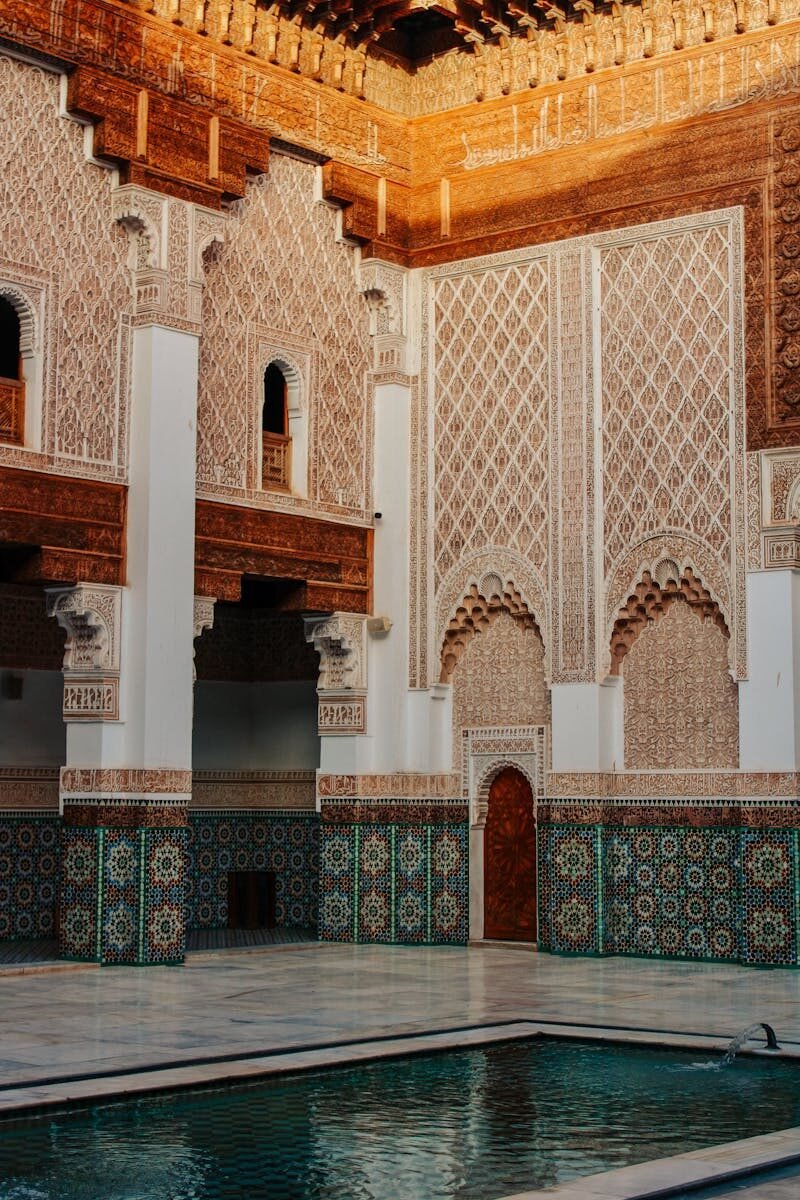





 Addi
 Saaid
 Mohamed
 Yousef
 Wrou
 Hassan