Discover Morocco with Package Morocco
Moroccan Culture, Food, Traditions and Travel Guide
Moroccan culture brings together Amazigh heritage, Arab influences, African traditions and Mediterranean connections. From the colourful medinas of historic cities to the golden dunes of the Sahara, Morocco offers a rich mix of history, landscapes, food and everyday traditions.
Whether you are planning your first visit or simply want to learn more about Moroccan life, this guide introduces the customs, places and experiences that make the country special.
Explore Morocco Discover Moroccan FoodWhat Does Moroccan Mean?
The word Moroccan describes the people, culture, traditions, products and way of life associated with Morocco. Moroccan identity is diverse and has developed over centuries through local heritage, trade, migration and contact with neighbouring regions.
Morocco is known for its historic cities, traditional craftsmanship, distinctive architecture, welcoming hospitality and varied landscapes. Each region has its own character, from the Atlantic coast to the Atlas Mountains and the desert areas of the south.
Moroccan Culture and Traditions

Moroccan culture is shaped by Amazigh, Arab, Saharan, African, Andalusian and Mediterranean influences. These connections can be seen in music, architecture, clothing, cuisine and local celebrations.
Family, hospitality and sharing food are important parts of daily life. Visitors may be offered mint tea as a sign of welcome. In traditional markets, artisans continue to make leather goods, ceramics, woven textiles, metalwork and decorative objects.
Moroccan Hospitality
Sharing tea and meals is a familiar expression of hospitality. Customs vary by family and region, so visitors should approach local traditions with curiosity and respect.
Amazigh Heritage
Amazigh communities have a long history in North Africa. Their languages, designs, music, crafts and regional traditions remain an important part of Moroccan cultural life.
Markets and Craftsmanship
Traditional souks offer pottery, rugs, lamps, leather products, spices and handmade decorations. Each city and region has its own craft traditions.
Music and Celebrations
Moroccan musical traditions include Gnawa, Andalusian music, Amazigh performances and regional folk styles. Weddings and festivals may feature local music, clothing and food.
Amazing experience
We had an amazing time during the trip ..we were 8 people with kids ( family and friends ) our tour guide Saiid was amazing ..he was very knowledgeable, humouous , flexible and most importantly safe driver .he has good…
Traditional Moroccan Food

Moroccan food is known for its fragrant spices, fresh herbs, slow-cooked dishes and regional variety. Meals may combine sweet and savoury flavours, while bread, salads and shared dishes often form part of the dining experience.
Popular Moroccan dishes and drinks include:
- Tagine: a slow-cooked dish prepared in a traditional pot, with ingredients such as vegetables, chicken, lamb or fish.
- Couscous: steamed semolina traditionally served with vegetables and, depending on the recipe, meat or other ingredients.
- Harira: a hearty soup made with ingredients such as tomatoes, lentils, chickpeas and herbs.
- Pastilla: a layered pastry with regional variations, often combining savoury filling with sweet spices.
- Moroccan mint tea: green tea prepared with fresh mint and commonly sweetened with sugar.
- Moroccan street food: market snacks, grilled foods, breads and regional specialities.
Food differs across the country, so tasting local dishes is a wonderful way to understand Morocco’s regional traditions. Read our guide to Moroccan street food for more ideas.
Moroccan Clothing and Traditional Dress
Traditional Moroccan clothing reflects local craftsmanship, climate, personal style and regional identity. People may wear traditional garments for everyday activities, religious occasions, family celebrations or weddings.
The Djellaba
The djellaba is a long, loose-fitting garment often recognised by its hood. It is worn by people of different ages and is available in a variety of fabrics, colours and styles.
The Caftan
The Moroccan caftan is a formal garment often associated with celebrations and weddings. Designs can feature embroidery, decorative belts, fine fabrics and detailed finishing.
Babouche Slippers
Traditional babouche slippers are often made from leather. Artisans create different shapes, colours and decorative patterns for everyday use and special occasions.
Handwoven Textiles
Moroccan weaving traditions include rugs, blankets and fabrics. Patterns, materials and techniques vary among communities and regions.
Moroccan Architecture and Historic Cities
Moroccan architecture combines local building traditions with influences from different periods of history. Visitors can discover decorated doorways, carved plaster, geometric tilework, courtyards, fountains and traditional houses.
- Riads: traditional houses often arranged around an interior courtyard, many of which now welcome visitors as guesthouses.
- Medinas: historic urban districts with narrow streets, markets, mosques, workshops and homes.
- Kasbahs: fortified buildings or historic compounds found in several parts of Morocco.
- Zellige: decorative geometric mosaic tilework used in many traditional buildings.
Marrakech and Fes are especially well known for their historic medinas. Rabat, Meknes, Tetouan and other cities also offer distinctive architectural and cultural experiences.
Beautiful Places to Visit in Morocco
One of the best ways to discover Moroccan culture is to explore more than one region. Historic cities, mountain villages, Atlantic beaches and desert landscapes each offer a different experience.
Marrakech
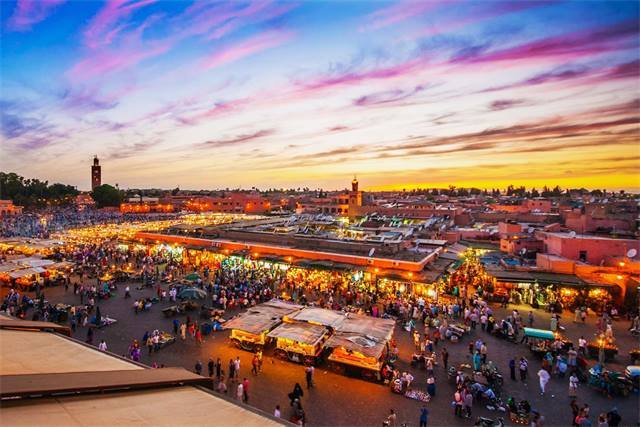
Marrakech is famous for its lively souks, historic palaces, gardens, traditional riads and Jemaa el-Fnaa square. It is also a popular starting point for Atlas Mountains excursions and Sahara Desert tours.
Chefchaouen

Chefchaouen is known for its blue-painted streets, mountain setting and relaxed atmosphere. Visitors can explore the old town, browse local shops and enjoy views of the Rif Mountains.
Merzouga and the Sahara Desert

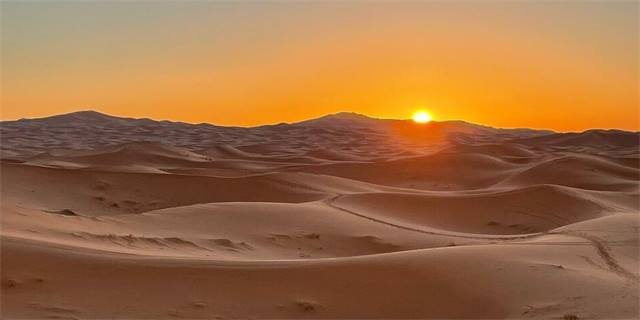
Merzouga is a gateway to the dunes of Erg Chebbi. Travellers can experience desert scenery, visit nearby communities and enjoy overnight stays at desert camps. Activities depend on the tour, season and local conditions.
The Atlas Mountains
The Atlas Mountains offer hiking routes, scenic valleys, mountain villages and opportunities to learn about Amazigh traditions. Guided visits can help travellers understand the landscape and local ways of life.
Fes
Fes is celebrated for its historic medina, traditional workshops, religious architecture and long-standing craft traditions. It is an excellent destination for visitors interested in Moroccan history and craftsmanship.
Essaouira
Essaouira combines an Atlantic coastline with a historic medina, fishing harbour, art galleries and seafood restaurants. Its coastal setting offers a different atmosphere from Morocco’s inland cities.
Moroccan Languages
Morocco is multilingual. Moroccan Arabic, often called Darija, is widely used in everyday conversation. Amazigh languages are also spoken, and Standard Arabic has an important role in formal settings. French is commonly used in some business and educational contexts, while Spanish and English are understood by some people, depending on the region and situation.
Learning a few words in Darija can make a visit more enjoyable. A friendly greeting, a polite thank-you and a willingness to listen can help create positive interactions.
Moroccan Markets, Shopping and Handicrafts
Shopping in Morocco is an opportunity to discover traditional craftsmanship. Souks and workshops sell pottery, rugs, leather products, woven baskets, lanterns, jewellery, spices and locally made decorations.
If you plan to buy souvenirs, ask about the materials and how the item was made. Prices may vary according to quality, workmanship and location. Shop respectfully and agree on a price before a purchase where bargaining is customary.
Travel Tips for Visiting Morocco
- Dress respectfully: comfortable, modest clothing is a practical choice when visiting traditional neighbourhoods and religious sites.
- Ask before taking photos: seek permission before photographing people, private spaces or working artisans.
- Stay hydrated: carry water, especially during warm weather, desert trips and mountain walks.
- Plan travel times: Morocco is a large country, and journeys between cities can take several hours.
- Respect local customs: greetings, polite communication and consideration for local practices are appreciated.
- Check seasonal conditions: temperatures vary considerably between the coast, mountains and desert.
- Choose suitable guides: for hikes, desert journeys and specialist visits, use reputable providers and follow safety guidance.
Frequently Asked Questions About Morocco
What is Morocco famous for?Morocco is known for its historic medinas, Sahara Desert landscapes, Atlas Mountains, traditional food, colourful markets, architecture, handicrafts and diverse cultural heritage.
What is traditional Moroccan food?Popular Moroccan dishes include tagine, couscous, harira and pastilla. Mint tea is also widely associated with Moroccan hospitality. Recipes and ingredients vary by region and family.
What languages are spoken in Morocco?Moroccan Arabic (Darija) and Amazigh languages are widely used. Standard Arabic is important in formal contexts, and French, Spanish and English are also used by some people in different regions and settings.
What should I wear in Morocco?Comfortable clothing suitable for the weather is recommended. Modest clothing is a considerate choice when visiting traditional neighbourhoods and religious places. Bring layers for cooler mountain evenings and desert nights.
Which places should I visit on my first trip to Morocco?Marrakech, Fes, Chefchaouen, the Atlas Mountains, Essaouira and the Merzouga Sahara region are popular choices. The best itinerary depends on your available time, interests and travel pace.
How can I experience authentic Moroccan culture?Explore local markets, try regional food, visit historic sites, learn about traditional crafts and spend time in different regions. A knowledgeable local guide can provide useful cultural context.
Discover Morocco with Package Morocco
From the colourful streets of Marrakech to the blue lanes of Chefchaouen and the Sahara dunes near Merzouga, Morocco offers memorable experiences for different types of travellers. Start planning a journey that matches your interests and schedule.
Visit Package Morocco Explore Moroccan FoodUseful travel resources
- Medina of Fez (UNESCO)
- Medina of Marrakesh (UNESCO)
- Historic City of Meknes (UNESCO)
- Medina of Essaouira (UNESCO)
- Medina of Tétouan (UNESCO)
- Rabat, Modern Capital and Historic City (UNESCO)
- Erg Chebbi dunes (Wikipedia)
- Chefchaouen, the Blue City (Wikipedia)
- Visit Morocco – official tourism site
- Morocco travel advice (GOV.UK)




 Addi
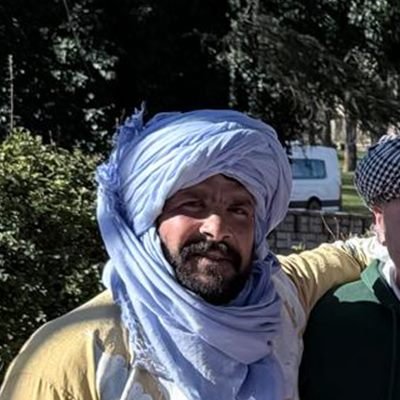 Saaid
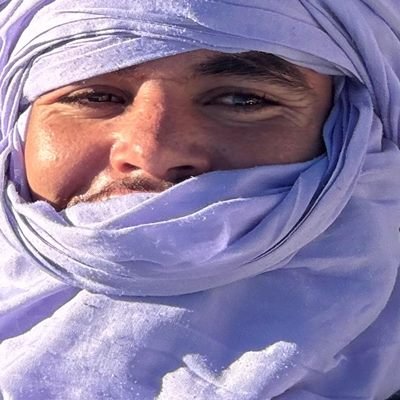 Mohamed
 Yousef
 Wrou
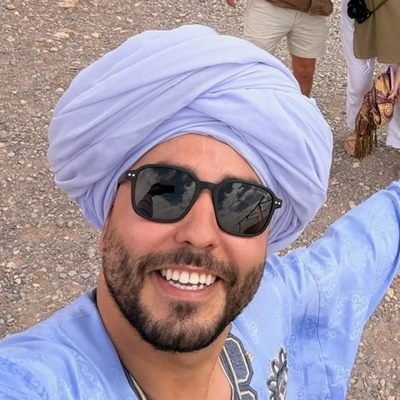 Hassan