Handmade Moroccan Tiles & The Art, History, and Beauty of Authentic Moroccan Zellige
Handmade Moroccan tiles are among Morocco’s most celebrated artistic traditions. Known locally as Zellige, these handcrafted tiles have decorated palaces, mosques, riads, gardens, and luxury homes for centuries. Their intricate geometric patterns, vibrant colors, and unique handmade character make them one of the most sought-after decorative elements in the world.
Today, architects, interior designers, and homeowners choose handmade Moroccan tiles to create elegant spaces that combine traditional craftsmanship with modern design. Whether used in kitchens, bathrooms, courtyards, swimming pools, or luxury hotels, Moroccan zellige tiles add authenticity, beauty, and timeless charm.
What Are Handmade Moroccan Tiles?
Handmade Moroccan tiles, commonly called Zellige, are individually crafted ceramic tiles made from natural clay. Skilled artisans shape, glaze, and cut each tile by hand before assembling them into intricate geometric mosaics.
Unlike machine-made tiles, handmade Moroccan tiles feature:
- Natural variations in color
- Unique textures
- Hand-cut edges
- Authentic craftsmanship
- Timeless durability
These characteristics create a rich visual effect that cannot be replicated by industrial production methods.
The History of Moroccan Zellige Tiles
The history of Moroccan tiles dates back more than a thousand years. The art developed during the Islamic period and flourished throughout Morocco’s imperial cities.
Moroccan craftsmen perfected geometric tilework influenced by:
- Amazigh (Berber) traditions
- Andalusian artistry
- Islamic architecture
- Arab decorative arts
Over the centuries, zellige became an essential feature of Moroccan architecture, decorating fountains, courtyards, palaces, schools, and religious monuments.
Today, cities such as Fez remain important centers for the production of authentic handmade Moroccan tiles.
VIAJE
Mi estancia de cinco días en Marrakech fue una experiencia increíble. Todo estuvo muy bien organizado pero en especial nuestro chofer, guía y amigo a partir de ahora Said hizo que el viaje fuera aún más especial. Sin duda, una…
How Handmade Moroccan Tiles Are Made
Creating authentic Moroccan zellige is a labor-intensive process requiring exceptional skill.
1. Clay Preparation
Artisans collect natural clay and prepare it by hand.
2. Tile Shaping
The clay is molded into square tiles and left to dry naturally.
3. Kiln Firing
Tiles are fired in traditional kilns at high temperatures.
4. Glazing
Artisans apply colorful glazes to create the distinctive Moroccan appearance.
5. Hand Cutting
Each tile is individually cut into precise geometric shapes.
6. Mosaic Assembly
Craftsmen assemble hundreds or thousands of pieces into complex patterns.
The entire process reflects generations of expertise passed down through artisan families.
Why Handmade Moroccan Tiles Are Unique
Several qualities make Moroccan tiles stand out globally.
Authentic Craftsmanship
Every piece is handmade using traditional techniques.
Rich Cultural Heritage
Moroccan tilemaking preserves centuries-old artistic traditions.
Natural Beauty
Subtle imperfections create depth and character.
Endless Design Possibilities
Zellige tiles can form countless geometric patterns and artistic compositions.
Sustainable Production
Most authentic Moroccan tiles use natural materials and traditional production methods.
Popular Colors of Handmade Moroccan Tiles
Moroccan artisans create tiles in many stunning colors.
Blue Moroccan Tiles
Inspired by the skies and coastal cities of Morocco.
Green Moroccan Tiles
Traditionally associated with Islamic architecture and nature.
White Moroccan Tiles
Popular for modern and minimalist interiors.
Black Moroccan Tiles
Elegant and dramatic for contemporary spaces.
Terracotta Moroccan Tiles
Reflect Morocco’s natural earth tones.
Multicolored Zellige Tiles
Create vibrant mosaics and traditional Moroccan designs.
Types of Handmade Moroccan Tiles
Traditional Zellige
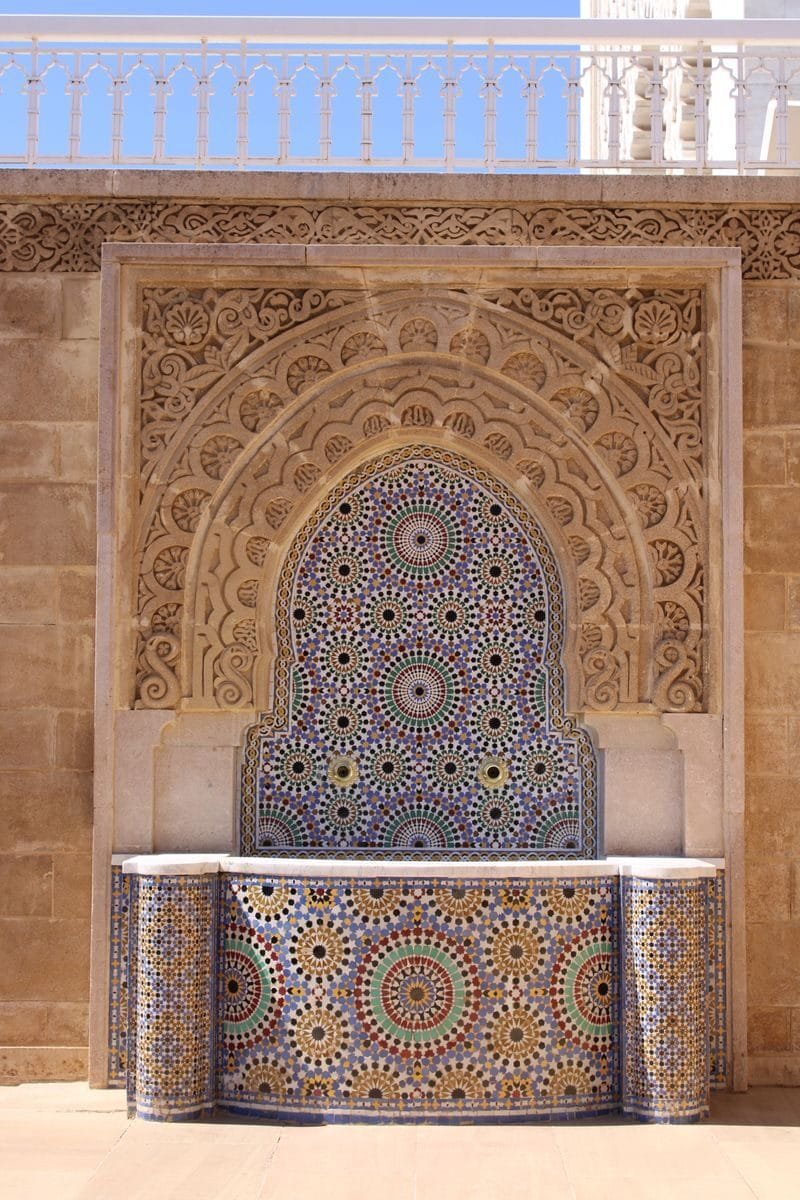
The most iconic Moroccan tile style featuring hand-cut geometric pieces.
Bejmat Tiles
Rectangular handmade clay tiles commonly used for floors and patios.
Mosaic Tiles
Complex geometric patterns assembled by master craftsmen.
Carved Moroccan Tiles
Decorative relief tiles featuring traditional Moroccan motifs.
Handmade Moroccan Tiles in Modern Interior Design
Designers worldwide use Moroccan tiles to add texture and character to interiors.
Popular applications include:
- Kitchen backsplashes
- Bathroom walls
- Walk-in showers
- Swimming pools
- Fireplace surrounds
- Accent walls
- Courtyard fountains
- Luxury hotel interiors
Their versatility allows them to complement both traditional and contemporary designs.
Moroccan Tiles in Traditional Architecture
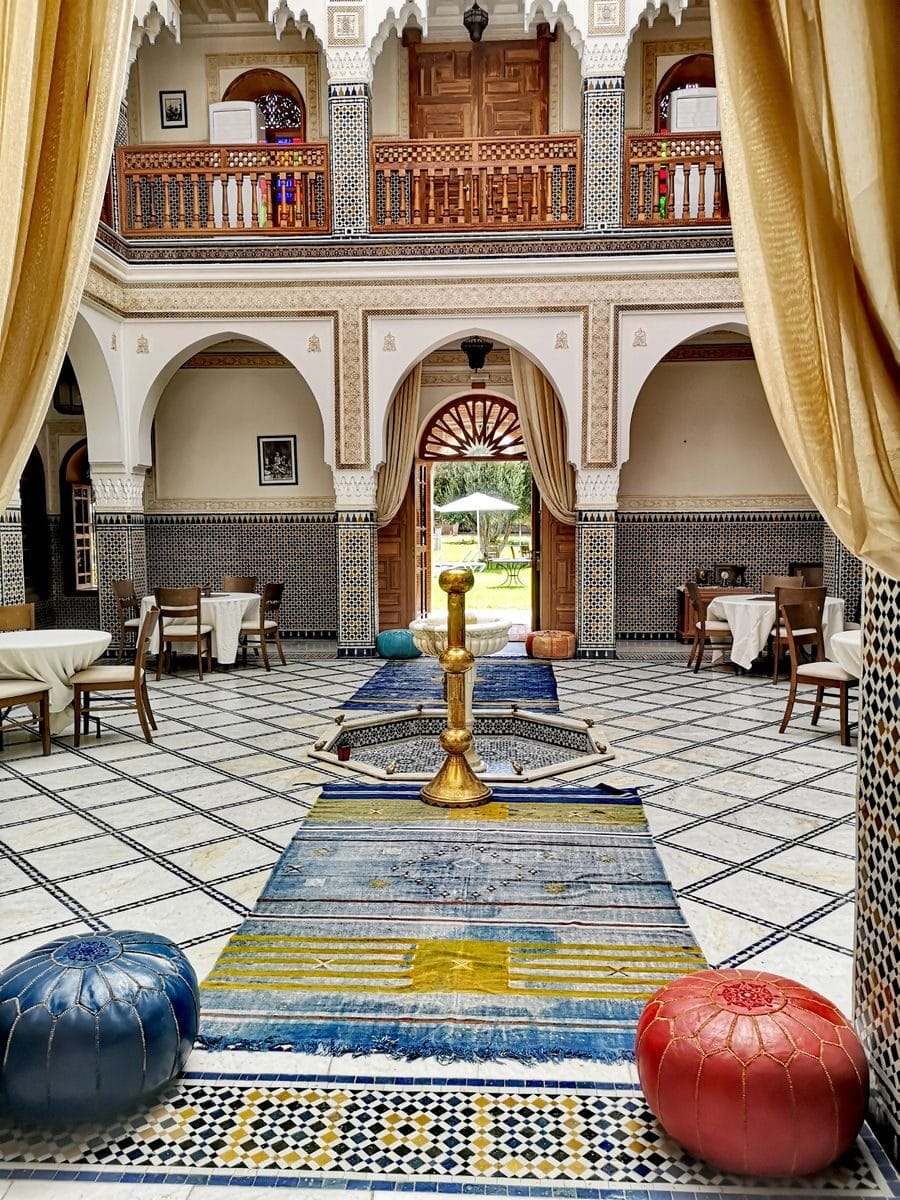
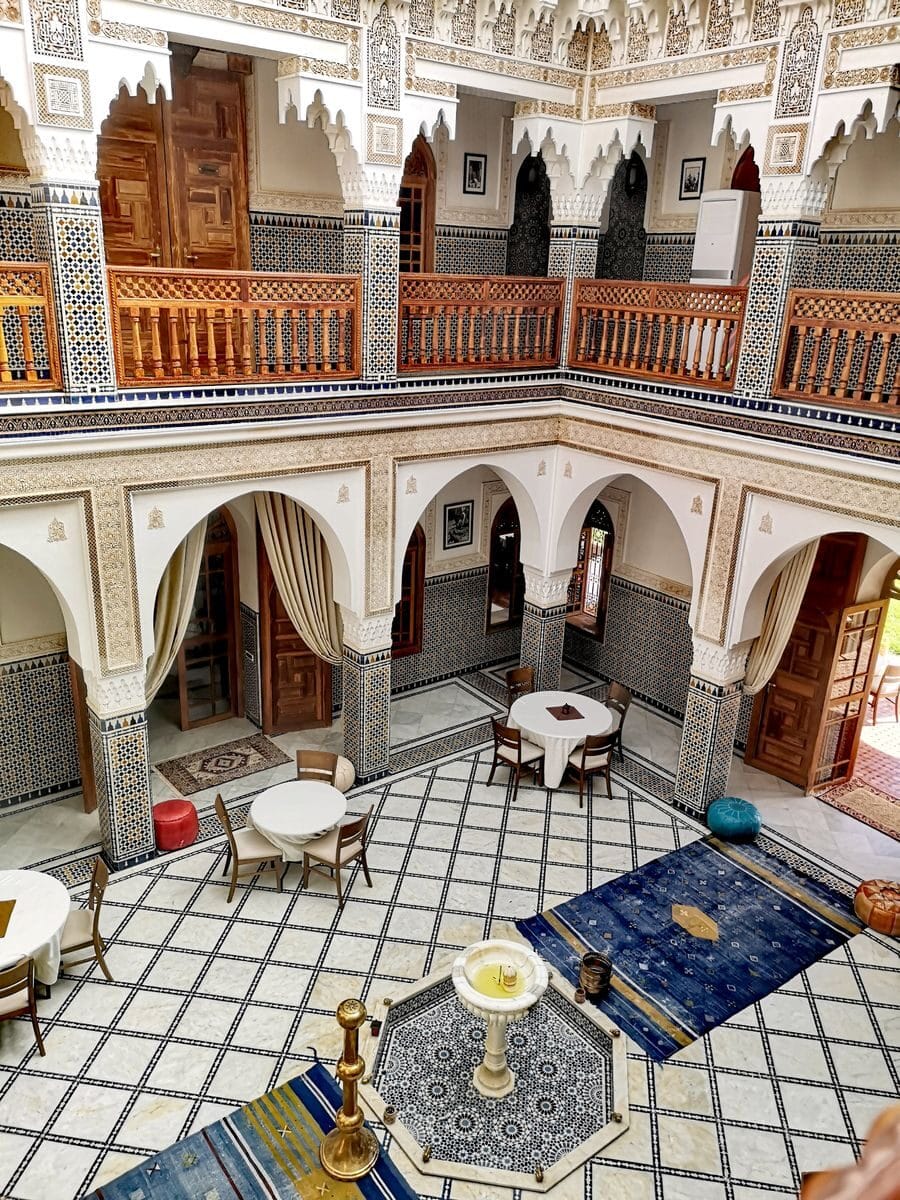
Throughout Morocco, visitors can admire stunning examples of zellige craftsmanship.
Historic buildings featuring Moroccan tilework include:
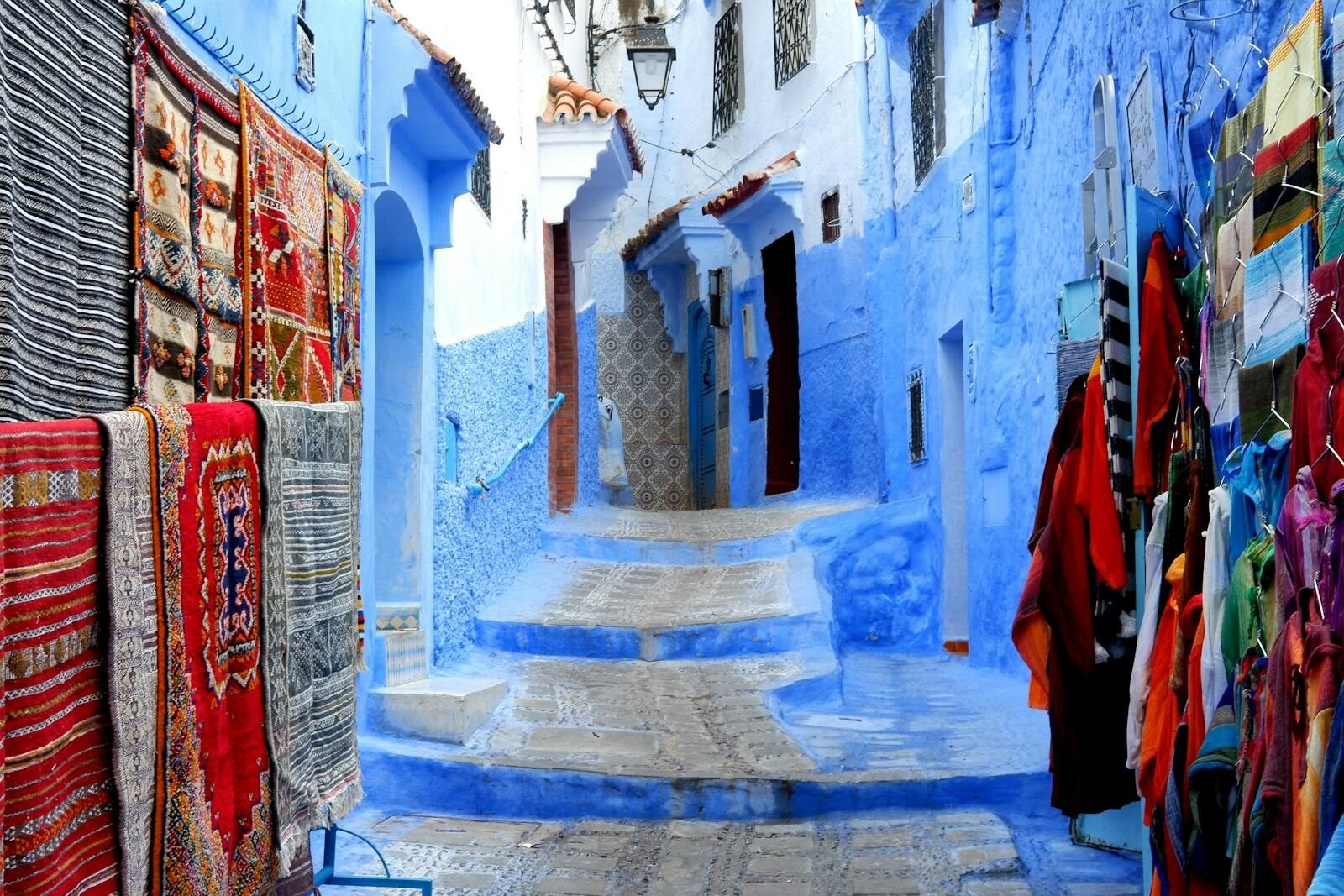
- Ancient medinas
- Traditional riads
- Royal palaces
- Historic madrasas
- Mosques
- Courtyard gardens
These masterpieces demonstrate the enduring beauty of Moroccan decorative arts.
Why Homeowners Love Handmade Moroccan Tiles
Homeowners increasingly choose Moroccan tiles because they offer:
- Unique handmade character
- Luxury appearance
- Long-lasting durability
- Timeless design
- Increased property value
- Artistic authenticity
Each installation becomes a one-of-a-kind work of art.
Exploring Moroccan Tile Workshops
Travelers visiting Morocco can discover authentic tile-making workshops, particularly in Fez and Marrakech.Marrakech Itinerary
Visitors often enjoy:
- Watching artisans at work
- Learning traditional techniques
- Purchasing handmade tiles
- Understanding Moroccan craftsmanship
- Exploring historic artisan districts
These experiences provide valuable insight into Morocco’s living cultural heritage.
Handmade Moroccan Tiles and Sustainable Design
As sustainable design grows in popularity, handmade Moroccan tiles continue to attract attention.
Benefits include:
- Natural clay materials
- Long lifespan
- Minimal industrial processing
- Support for local artisan communities
- Preservation of traditional skills
Choosing authentic Moroccan tiles supports both environmental and cultural sustainability.
Frequently Asked Questions About Handmade Moroccan Tiles
What are handmade Moroccan tiles?
Handmade Moroccan tiles are traditional ceramic tiles crafted by artisans using natural clay and centuries-old techniques.
What is Zellige?
Zellige is the traditional Moroccan art of creating hand-cut glazed tile mosaics.
Where are Moroccan tiles made?
Many authentic Moroccan tiles are produced in Fez, Marrakech, Meknes, and other artisan centers across Morocco.
Are handmade Moroccan tiles durable?
Yes. Properly installed Moroccan tiles can last for decades while maintaining their beauty.
Why are Moroccan tiles expensive?
The cost reflects the extensive handcrafting process, skilled labor, and traditional production methods.
Experience Morocco’s Artistic Heritage
Handmade Moroccan tiles are more than decorative materials. They represent centuries of artistic excellence, cultural heritage, and craftsmanship. From traditional palaces to modern luxury homes, Moroccan zellige continues to inspire architects and designers around the world.
For travelers exploring Morocco, discovering authentic tile workshops and historic architecture offers a deeper appreciation of the country’s remarkable artistic traditions.
Book Now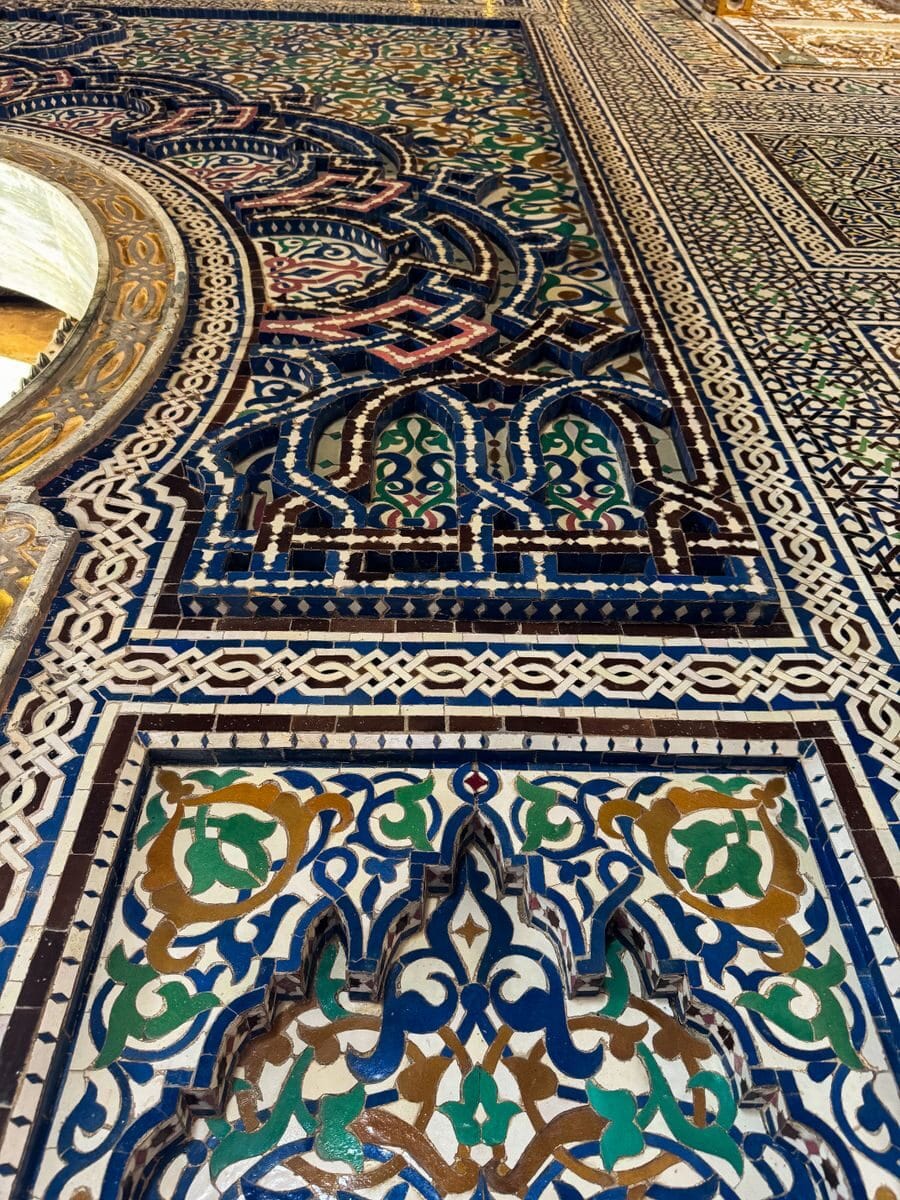 Gallery
Top morocco destinations
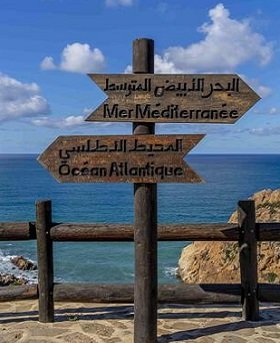
Tours from Tangier
5 toursView all tours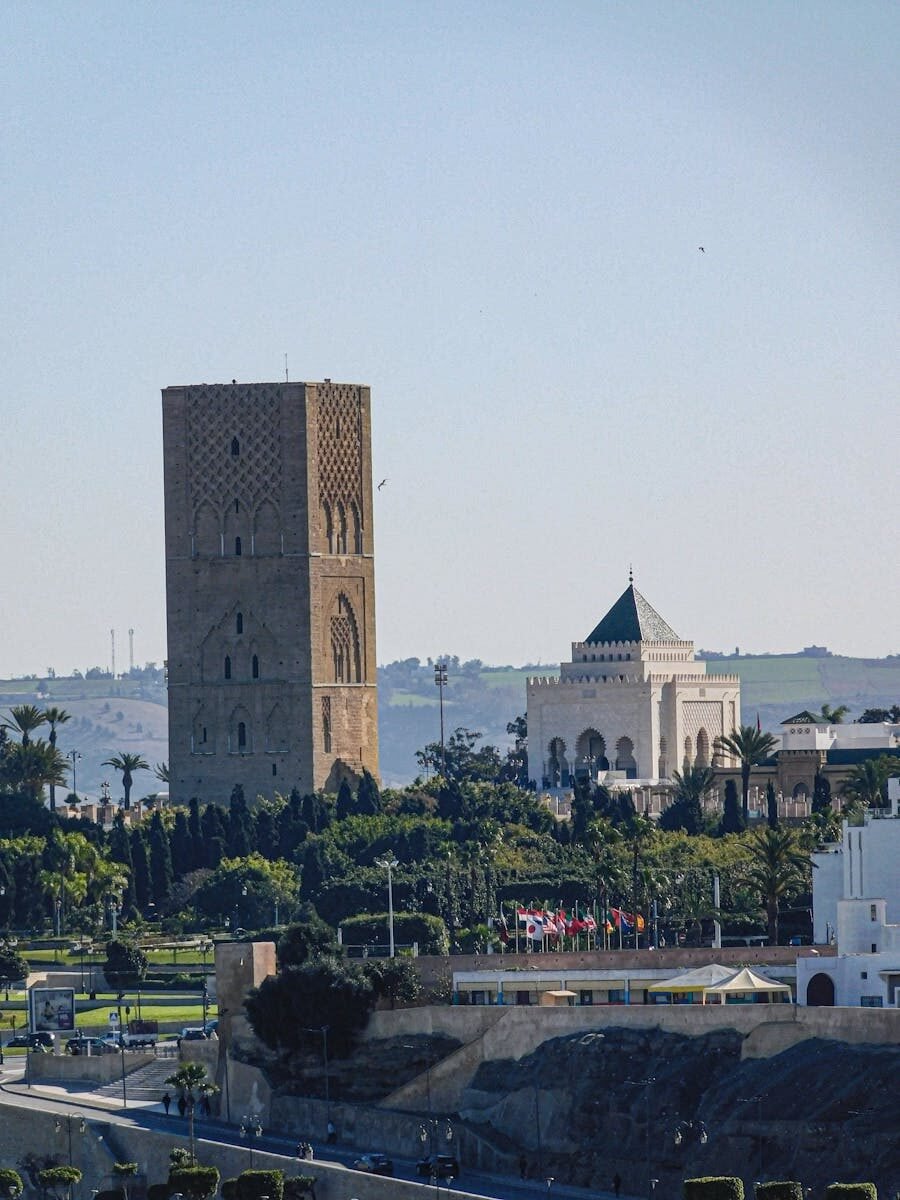
Tours from Rabat
6 toursView all tours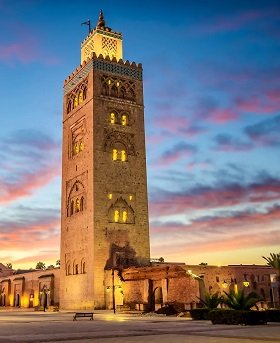
Tours from Marrakech
11 toursView all tours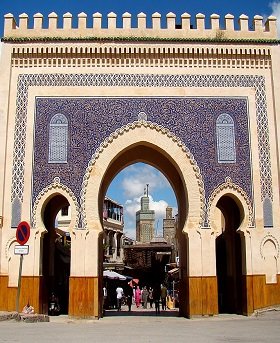
Tours from Fes
6 toursView all tours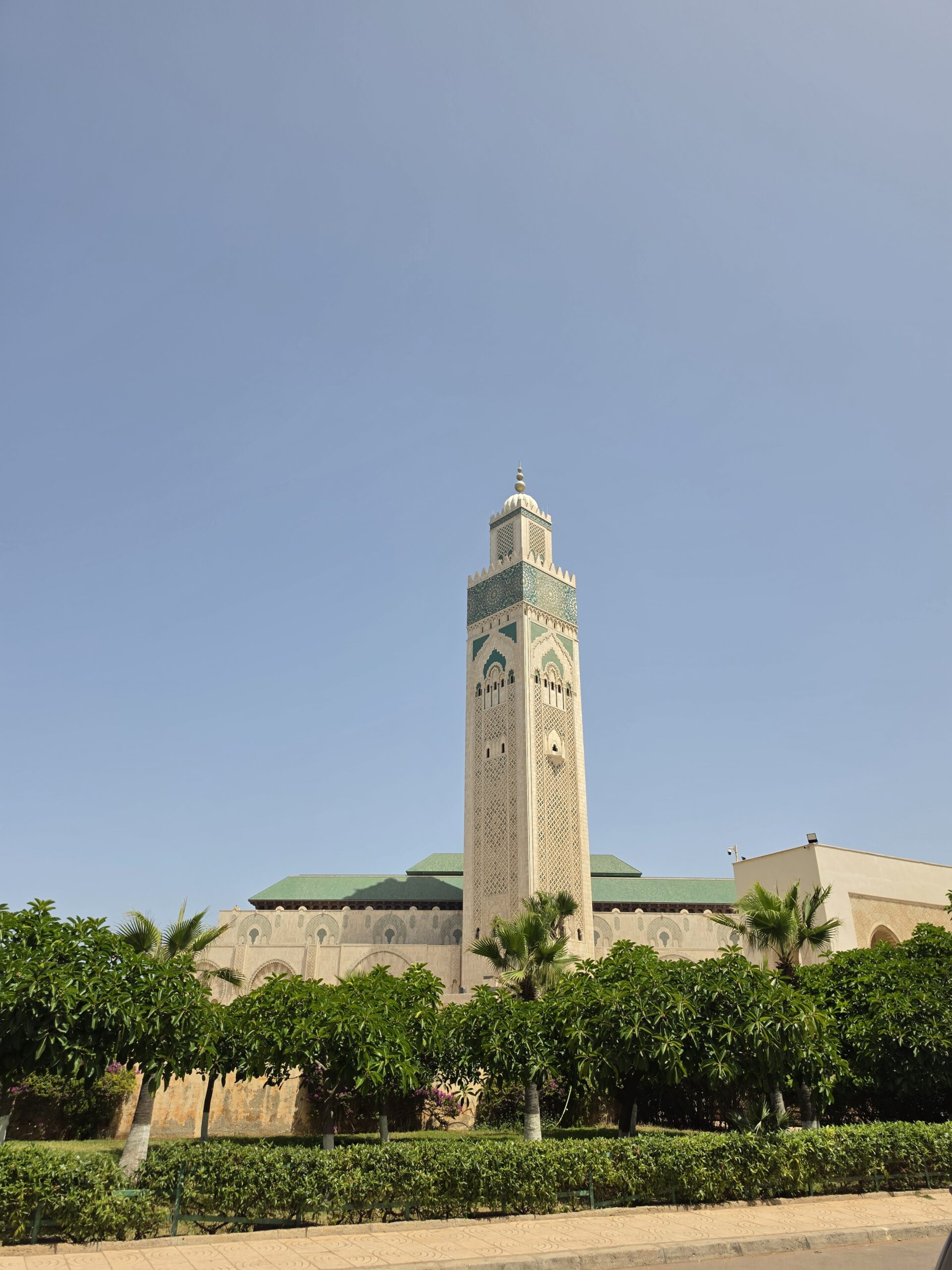
Tours from Casablanca
6 toursView all tours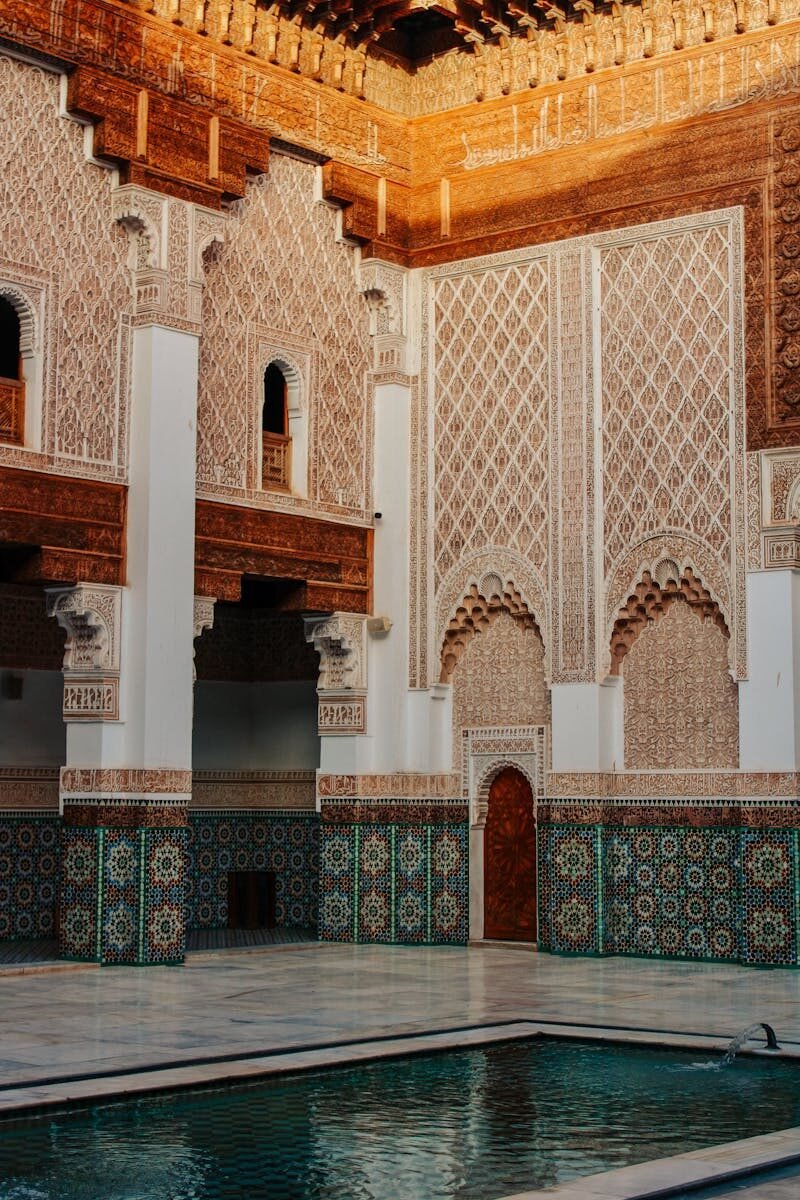





 Addi
 Saaid
 Mohamed
 Yousef
 Wrou
 Hassan