The Atlas Mountains
The Atlas ranges cross central Morocco and create dramatic landscapes, traditional villages and opportunities for hiking. Mount Toubkal in the High Atlas is the highest peak in North Africa.
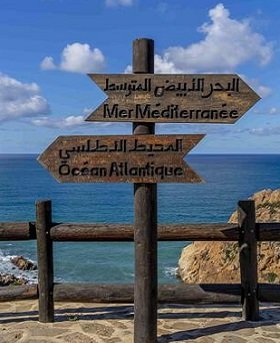
Where is Morocco located? Morocco is a country in northwestern Africa, close to southern Europe. It sits between the Atlantic Ocean and the Mediterranean Sea, offering a remarkable mix of historic cities, mountain landscapes, beaches and desert scenery.
Whether you are planning a holiday or simply learning about world geography, this guide explains where Morocco is on the map, which countries surround it, what its capital is and why its location makes it such a fascinating destination.
Morocco is located in the northwestern corner of the African continent. It belongs to the Maghreb, a region of North Africa that includes several countries along the Mediterranean and Atlantic sides of the continent.
Look at a world map and find Spain and Portugal in southwestern Europe. Just south of Spain, across the Strait of Gibraltar, lies Morocco. This narrow stretch of water connects the Atlantic Ocean with the Mediterranean Sea and separates North Africa from the Iberian Peninsula.
Morocco’s position has influenced its history, trade, architecture and culture. For centuries, the country has connected African, Arab, Amazigh, Mediterranean and European influences. Today, visitors can see this diversity in its historic medinas, coastal towns, traditional markets and modern cities.
The country faces the Atlantic Ocean to the west and the Mediterranean Sea to the north. Algeria lies to the east. The southern geographic and political context involves Western Sahara, whose status is disputed internationally. Descriptions of the southern boundary therefore vary by source and by the territorial definition being used.
Morocco is a constitutional monarchy. Rabat is the national capital and an important administrative centre, while Casablanca is the country’s major commercial hub. Marrakech, Fez, Tangier and Agadir are also well-known cities, each with its own character and attractions.
Arabic and Amazigh are the official languages. Moroccan Arabic, commonly called Darija, is widely spoken in everyday life. French is also used in many business and professional settings, while Spanish is common in parts of the north and English is increasingly used in tourism.
A map helps explain why Morocco is such a varied destination. The country’s northern coast faces Europe across the Mediterranean, while its western coast stretches along the Atlantic. Mountain ranges cross the interior, and arid landscapes extend towards the Sahara region.
Use the map below to explore Morocco’s position in North Africa. For a detailed political map, city locations and regional information, consult a trusted atlas or the official tourism website.

View the Morocco location map on Wikimedia Commons.
For another useful reference, the Moroccan National Tourist Office’s geography guide explains the country’s coastlines, mountain ranges and natural landscapes.
Morocco’s geographic neighbours include Algeria to the east and the territory of Western Sahara to the south. The political and legal status of Western Sahara is disputed, so maps and country profiles may present this area differently.
Morocco is also closely connected to Spain. The Spanish-administered cities of Ceuta and Melilla are located on the North African coast and share land boundaries with Morocco. Across the Strait of Gibraltar, Spain is only a short distance away.
Because borders and territorial claims can be politically sensitive, it is useful to check a current official map when researching Morocco’s exact boundaries.
Morocco is in Africa, not Europe. It is part of the African continent and lies in the northwest, directly across the Strait of Gibraltar from Spain. Its proximity to Europe makes it one of the most accessible North African destinations for many European travelers.
Although Morocco has strong historical, cultural and economic connections with Europe, its geographic location is African. These connections have developed through centuries of trade, migration, travel and cultural exchange across the Mediterranean.
For travellers, this location offers a distinctive opportunity: within one trip, you can experience historic North African cities, Amazigh mountain villages, Atlantic beaches and desert landscapes. The country’s identity reflects many influences while retaining its own rich traditions.
The Atlantic Ocean borders Morocco to the west. Its coastline includes major cities and seaside destinations such as Casablanca, Rabat, Essaouira and Agadir. Visitors can enjoy coastal walks, seafood, surf spots and long sandy beaches, depending on the location and season.
The Mediterranean coast lies to the north. Cities and towns around Tangier, Tetouan and Al Hoceima offer a different coastal atmosphere, with beaches, harbours and views across the water. The region also reflects Morocco’s long connections with Mediterranean trade and culture.
Since the Atlantic and Mediterranean coasts have different landscapes and local climates, travellers should choose destinations according to their interests. Surfing, relaxing on the beach, exploring historic towns and visiting northern coastal areas can all be part of a Morocco itinerary.
Morocco is much more than a desert destination. Its geography includes mountain ranges, fertile plains, forests, valleys, coastlines and arid regions. This variety makes it possible to experience very different landscapes during a single journey.
The Atlas ranges cross central Morocco and create dramatic landscapes, traditional villages and opportunities for hiking. Mount Toubkal in the High Atlas is the highest peak in North Africa.

Southern and southeastern Morocco include arid landscapes and famous dunes around Merzouga. Visitors can plan desert excursions, enjoy sunset views and stay in a desert camp.

The Rif range extends across northern Morocco. It surrounds scenic towns and green landscapes, including the region around Chefchaouen, famous for its blue-painted streets.
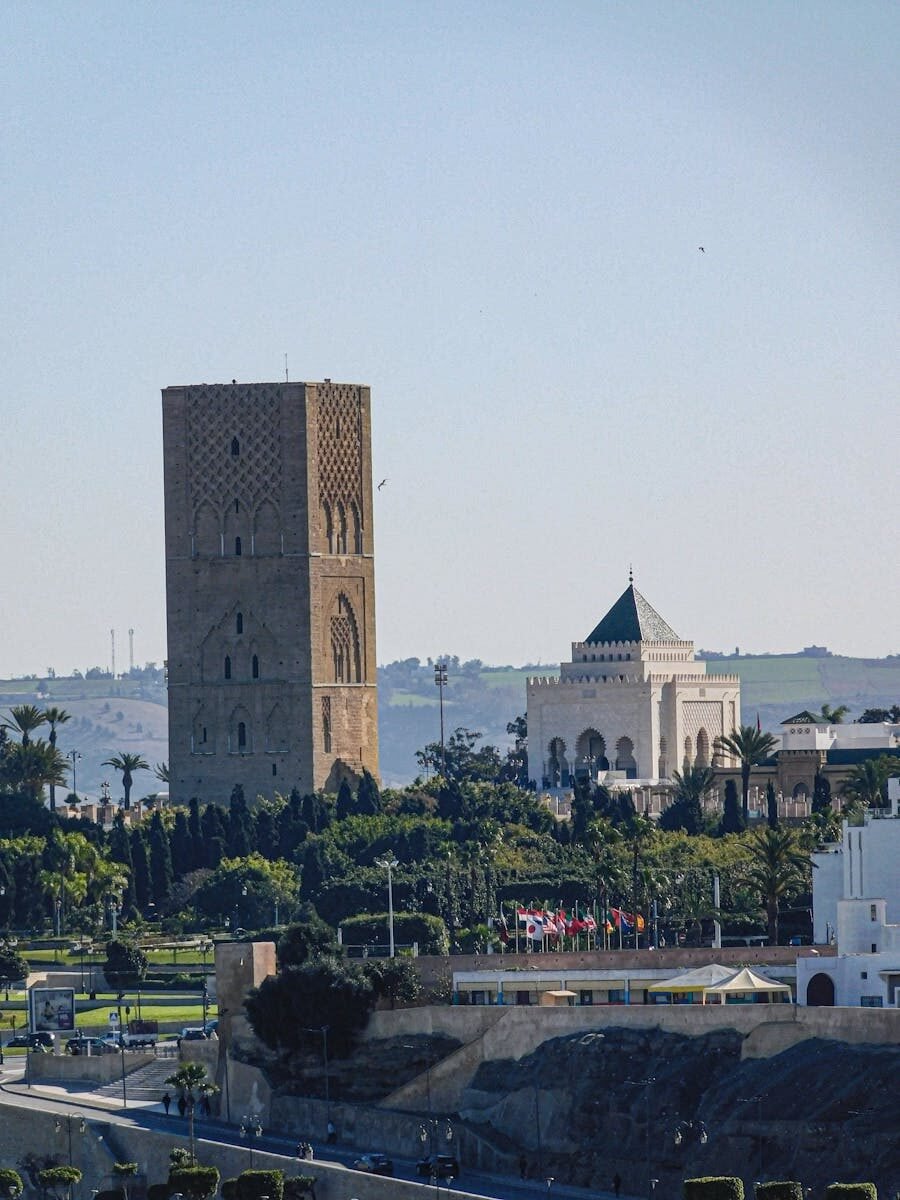
The capital of Morocco is Rabat, a coastal city on the Atlantic Ocean. It is home to national government institutions, diplomatic missions and historic landmarks. The city combines modern urban areas with historic neighborhoods and monuments.
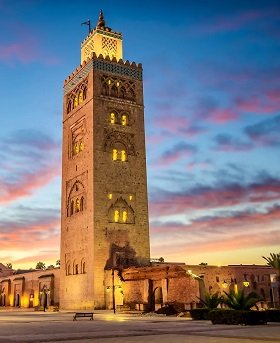
Casablanca, however, is Morocco’s largest city and a major economic center. Travellers often arrive through Casablanca before continuing to other destinations. Marrakech is especially popular for its historic medina, gardens and traditional markets, while Fez is known for its historic urban fabric and crafts.
These cities are different places with different roles. If you are planning a holiday, consider combining a major gateway city with destinations that match your interests, whether those are architecture, food, mountains, beaches or the Sahara.
Morocco’s location has shaped its history and its importance as a crossroads between Africa and Europe. Its ports and coastal cities supported trade across the Atlantic and Mediterranean, while inland routes connected markets, oasis settlements and communities across the Sahara.
Over time, Amazigh, Arab, African, Mediterranean and European influences contributed to Morocco’s distinctive cultural heritage. You can see this in its languages, food, music, architecture and traditional crafts.
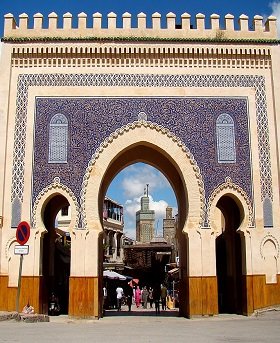
Historic places such as the medinas of Fez and Marrakech, the ksar of Ait-Ben-Haddou and the historic city of Rabat help illustrate this heritage. Several Moroccan cultural sites are listed by UNESCO as World Heritage properties.
Learn more through the UNESCO World Heritage page for Morocco.
Once you know where Morocco is located, the next question is often where to go. Your ideal itinerary depends on the time you have available, your arrival airport and the experiences you want to enjoy.

Discover lively markets, historic architecture, gardens and Moroccan cuisine. Marrakech is also a popular starting point for trips to the Atlas Mountains and desert.
Experience a different side of Morocco with desert scenery, camel rides and overnight camp options. Travel times can be long, so allow enough days.
Visit a picturesque mountain town known for its blue-painted buildings, narrow streets and relaxed atmosphere. It fits well into a northern Morocco itinerary.
For more ideas, browse our Morocco travel packages, compare private Morocco tours, or read the official Morocco tourism guide.
The best time to visit Morocco depends on the region and the activities you have in mind. Spring and autumn are often comfortable for exploring cities and traveling between regions. Summer can be very hot in inland and desert areas, while coastal destinations may offer different conditions.
Winter can bring cool weather to cities and snow to parts of the Atlas Mountains. Desert nights may also become cold, even when daytime temperatures are pleasant. Therefore, pack according to the season and the destinations on your route.
Check the forecast for each destination before departure, as conditions can vary significantly between the coast, mountains and desert.
International visitors can reach Morocco by air, and some travelers arrive by ferry from southern Spain. The best arrival point depends on your itinerary. Casablanca and Marrakech are common choices for travelers exploring central and southern Morocco, while Tangier is convenient for some northern routes.
Before booking, check the current entry requirements for your nationality, passport validity, airline conditions and any visa requirements that apply to your trip. Requirements can change, so use official sources rather than relying only on old travel advice.
Once in Morocco, you can travel between cities by train, bus, rental car or private transfer, depending on the route. For a multi-city trip with stops in smaller towns or the desert, compare travel times carefully before deciding how many destinations to include.
If you prefer a customized itinerary, see our private trips in Morocco and Morocco itinerary ideas.
Morocco is located in northwestern Africa, in the Maghreb region. It lies between the Atlantic Ocean to the west and the Mediterranean Sea to the north, close to southern Europe.
Morocco is in Africa. It is separated from Spain by the Strait of Gibraltar, but its geographic location is on the African continent.
Morocco is part of Africa, specifically the northwestern region of the continent.
Morocco borders Algeria to the east. Western Sahara lies to the south, but its political status is disputed. The Spanish-administered cities of Ceuta and Melilla are also located on the North African coast and share land boundaries with Morocco.
Rabat is the capital of Morocco. Casablanca is the country’s largest city and a major commercial centre.
Yes. Morocco lies just across the Strait of Gibraltar from Spain. The two countries are connected by air and ferry routes, although schedules and routes depend on the season and operator.
Yes. Morocco has both Atlantic and Mediterranean coastlines, with beach destinations, seaside towns and opportunities for surfing and other coastal activities.
Parts of the Sahara region extend into Morocco. Merzouga and the Erg Chebbi dunes are among the country’s best-known destinations for desert trips.
Arabic and Amazigh are the official languages. Moroccan Arabic, or Darija, is widely spoken, and French, Spanish and English are also used in different settings.
The best way depends on your schedule and interests. You can use trains and buses between major cities, rent a car, or arrange a private itinerary for destinations such as the Atlas Mountains and Sahara Desert.
Now that you know where Morocco is, start planning a journey through historic cities, mountain villages, Atlantic beaches and the Sahara Desert. Explore our travel packages and choose an itinerary that fits your time and interests.