+212 600 385 171 | +212 667 304 401
info@packagemorocco.com
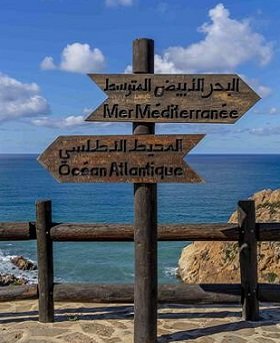
Morocco culture is one of the richest and most diverse cultures in the world. Located in North Africa, Morocco has welcomed influences from Amazigh, Arab, African, Andalusian, Jewish, and Mediterranean civilizations for thousands of years. As a result, the country offers a unique cultural identity that attracts millions of visitors every year.
Today, Moroccan culture combines ancient traditions with modern lifestyles. Furthermore, the country continues to preserve its heritage while embracing global influences. Visitors can experience colorful markets, historic cities, traditional cuisine, and warm hospitality throughout the country. Therefore, understanding Morocco culture provides valuable insight into one of Africa’s most fascinating destinations.
Morocco’s cultural heritage dates back thousands of years. Initially, Amazigh communities established settlements across the region and developed traditions that remain important today. Later, Arab dynasties introduced Islam and contributed to the country’s cultural development. Meanwhile, Andalusian refugees brought new artistic, architectural, and musical traditions after leaving Spain.
Consequently, Morocco developed a cultural identity that blends several civilizations. In addition, trade routes connected Morocco with Europe, sub-Saharan Africa, and the Middle East. Therefore, cultural exchange played a major role in shaping modern Moroccan society.
The Amazigh people form the foundation of Moroccan culture. In fact, they are the indigenous inhabitants of North Africa and have lived in Morocco for thousands of years. Today, Amazigh traditions continue to influence language, architecture, music, clothing, and daily life.
Many regions celebrate Amazigh customs through festivals, music, and traditional ceremonies. Furthermore, Morocco officially recognizes Amazigh as a national language. As a result, Amazigh culture remains a vital part of the country’s identity and heritage.
Islam arrived in Morocco during the seventh century and quickly became an important part of society. Consequently, Islamic traditions influence many aspects of daily life, including family values, architecture, holidays, and community relationships.
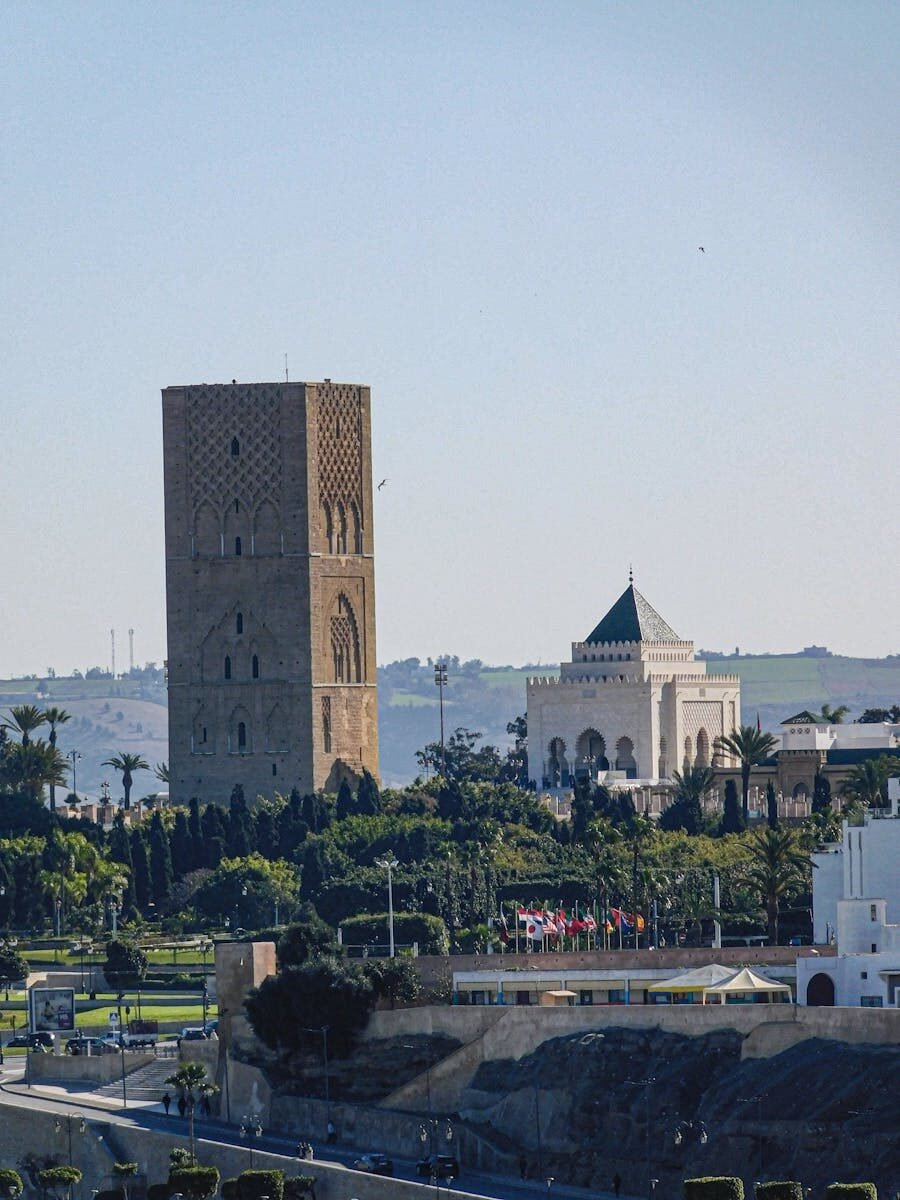
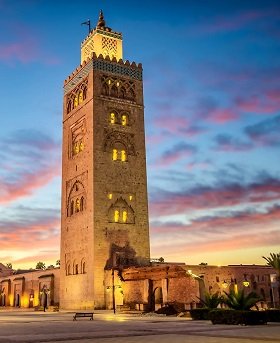
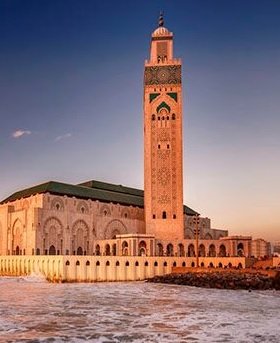
Mosques, madrasas, and historic religious sites showcase Morocco’s Islamic heritage. Moreover, religious celebrations such as Ramadan and Eid bring families and communities together. Therefore, Islam continues to play a significant role in Moroccan culture.
Language reflects Morocco’s diverse cultural heritage. Most people speak Darija, which serves as the primary language for daily communication. In addition, many Moroccans speak Amazigh languages in different regions of the country.
French remains important in business, education, and administration. Meanwhile, English continues to grow in popularity, especially among younger generations and tourism professionals. As a result, Morocco offers a multilingual environment that reflects its international connections.
Family plays a central role in Moroccan society. Furthermore, strong family relationships influence social customs, celebrations, and daily routines. Many families maintain close ties and gather frequently for meals and special occasions.
Respect for parents and elders remains an essential value. Likewise, children learn the importance of generosity, responsibility, and hospitality from an early age. Consequently, family traditions continue to shape Moroccan culture across generations.
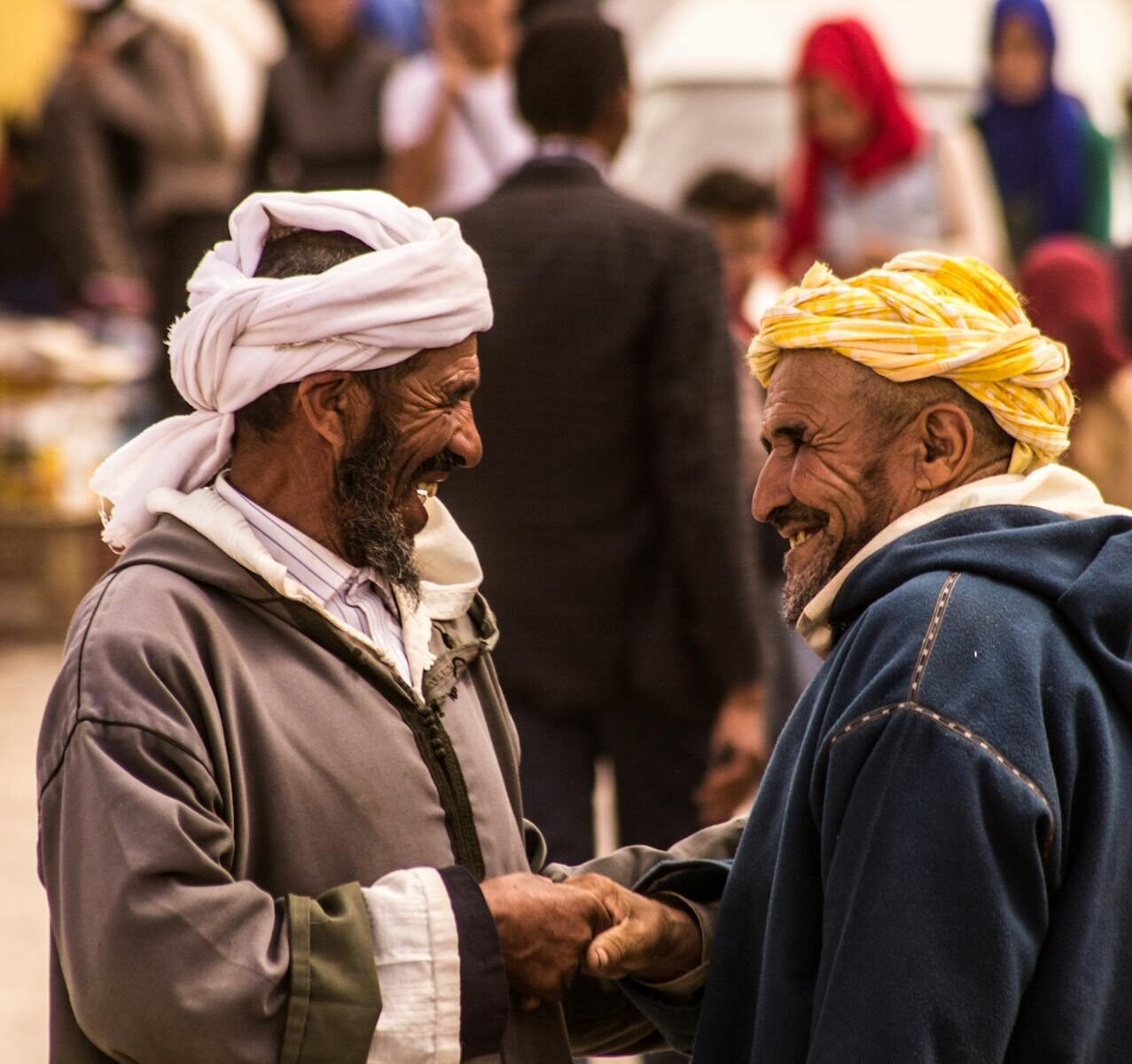
Hospitality is one of the most admired aspects of Morocco culture. Visitors often receive a warm welcome from local families and communities. For example, hosts commonly serve mint tea as a symbol of friendship and respect.
In addition, Moroccans take pride in helping guests feel comfortable and appreciated. As a result, many travelers remember Moroccan hospitality as one of the highlights of their journey. Therefore, welcoming visitors remains a cherished cultural tradition throughout the country.
Moroccan cuisine is famous around the world for its rich flavors and aromatic spices. Moreover, it reflects centuries of cultural exchange and culinary innovation. Traditional recipes combine local ingredients with influences from Amazigh, Arab, African, and Mediterranean cooking traditions.
Couscous is Morocco’s national dish. Traditionally, families gather on Fridays to share a meal of couscous with vegetables and meat. Consequently, the dish represents both community and tradition.
Tagine is one of Morocco’s most iconic foods. Chefs slowly cook ingredients in a distinctive clay pot to create tender and flavorful meals. For example, popular varieties include chicken with preserved lemons and lamb with prunes.
Moroccan mint tea symbolizes hospitality and friendship. Furthermore, serving tea often accompanies social gatherings and family visits. Therefore, tea remains an important part of Moroccan daily life.
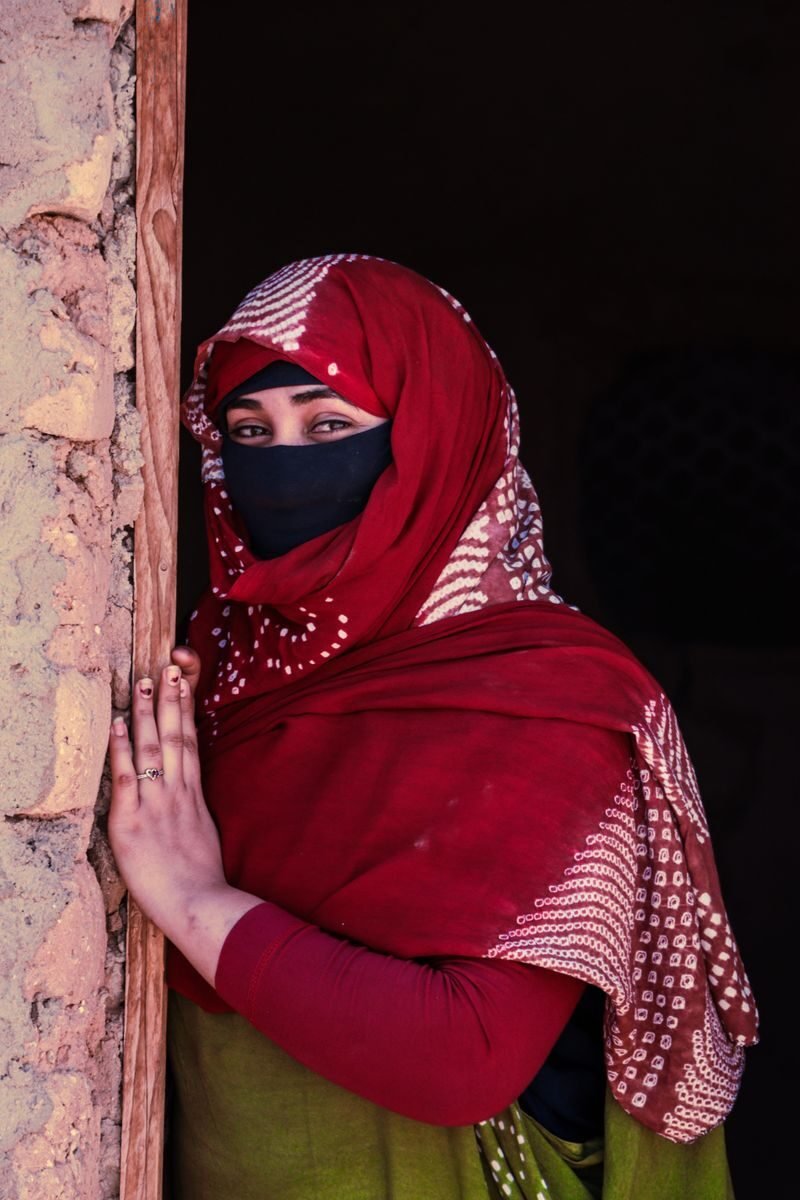
Traditional clothing reflects Morocco’s cultural heritage and regional diversity. Although modern fashion is common in major cities, many people continue to wear traditional garments for special occasions.
The djellaba is a long robe worn by both men and women. Additionally, it provides comfort and practicality throughout the year.
The Moroccan kaftan represents elegance and craftsmanship. Therefore, women frequently wear it during weddings and celebrations.
The gandora offers a lighter alternative for warmer climates. Consequently, it remains popular in many parts of Morocco.
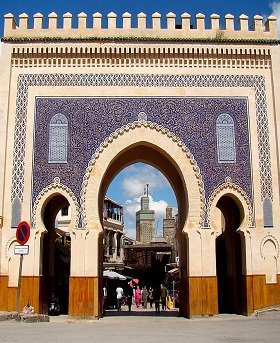
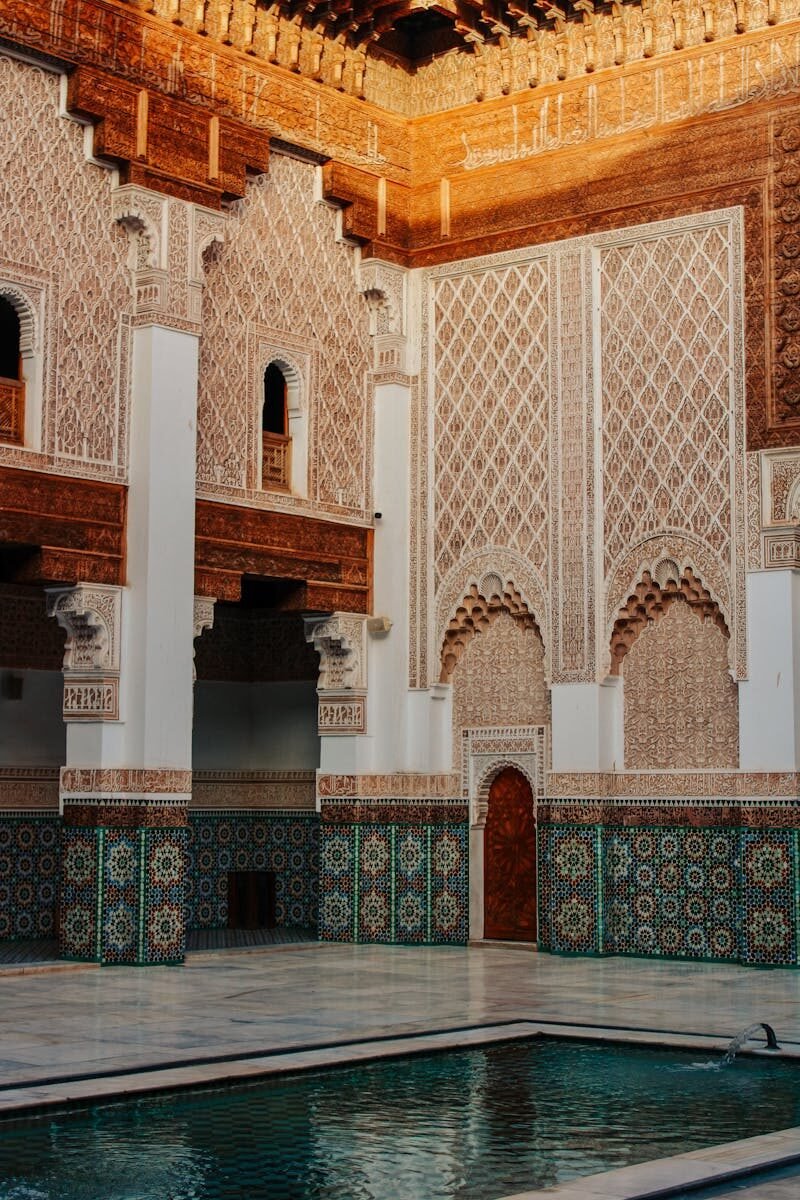
Moroccan architecture combines artistic beauty with cultural symbolism. Furthermore, architects have blended Amazigh, Islamic, and Andalusian influences for centuries.
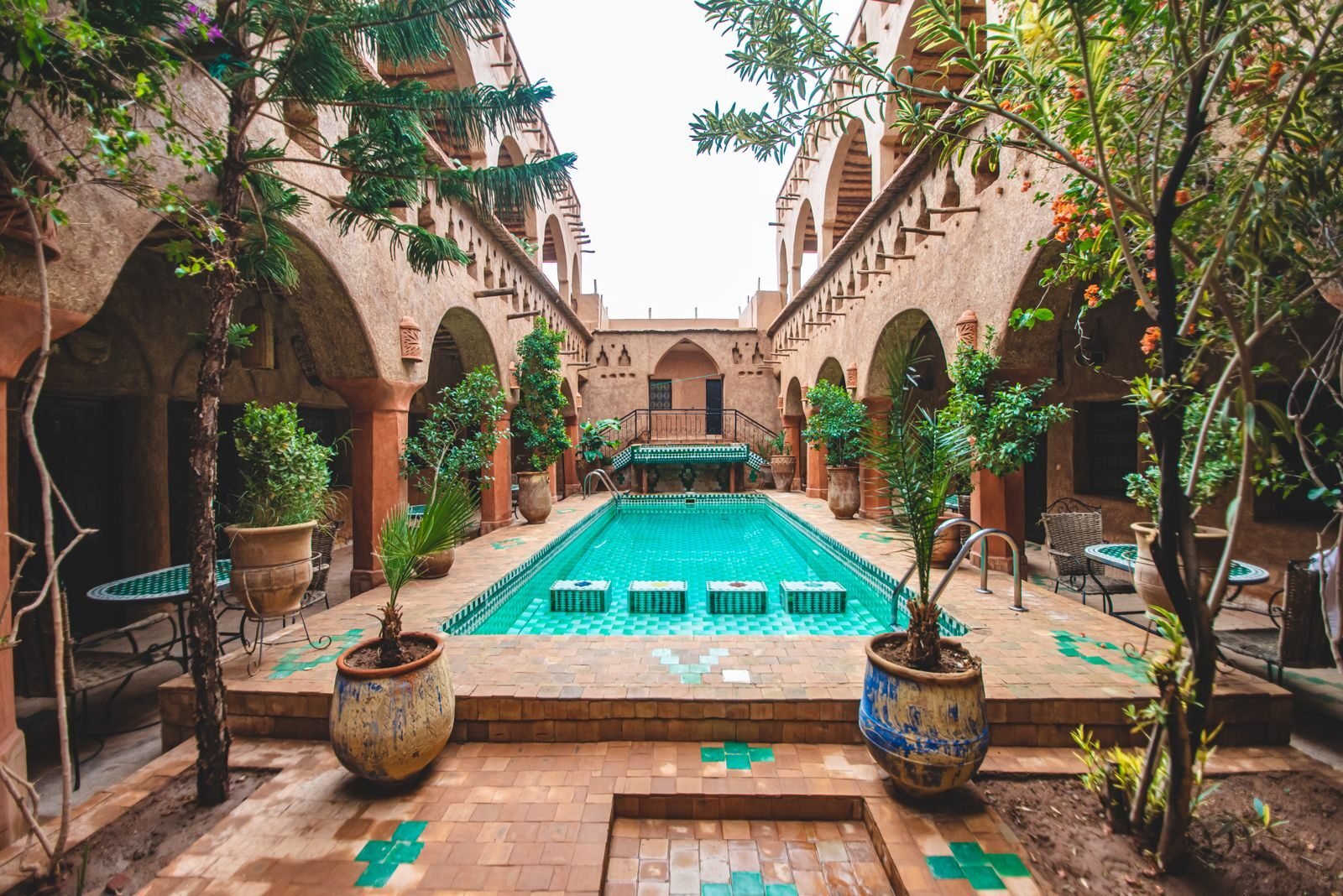
Riads feature interior courtyards surrounded by rooms. Today, many traditional riads operate as boutique hotels.
Kasbahs served as fortified residences and administrative centers. As a result, they remain important historical landmarks.
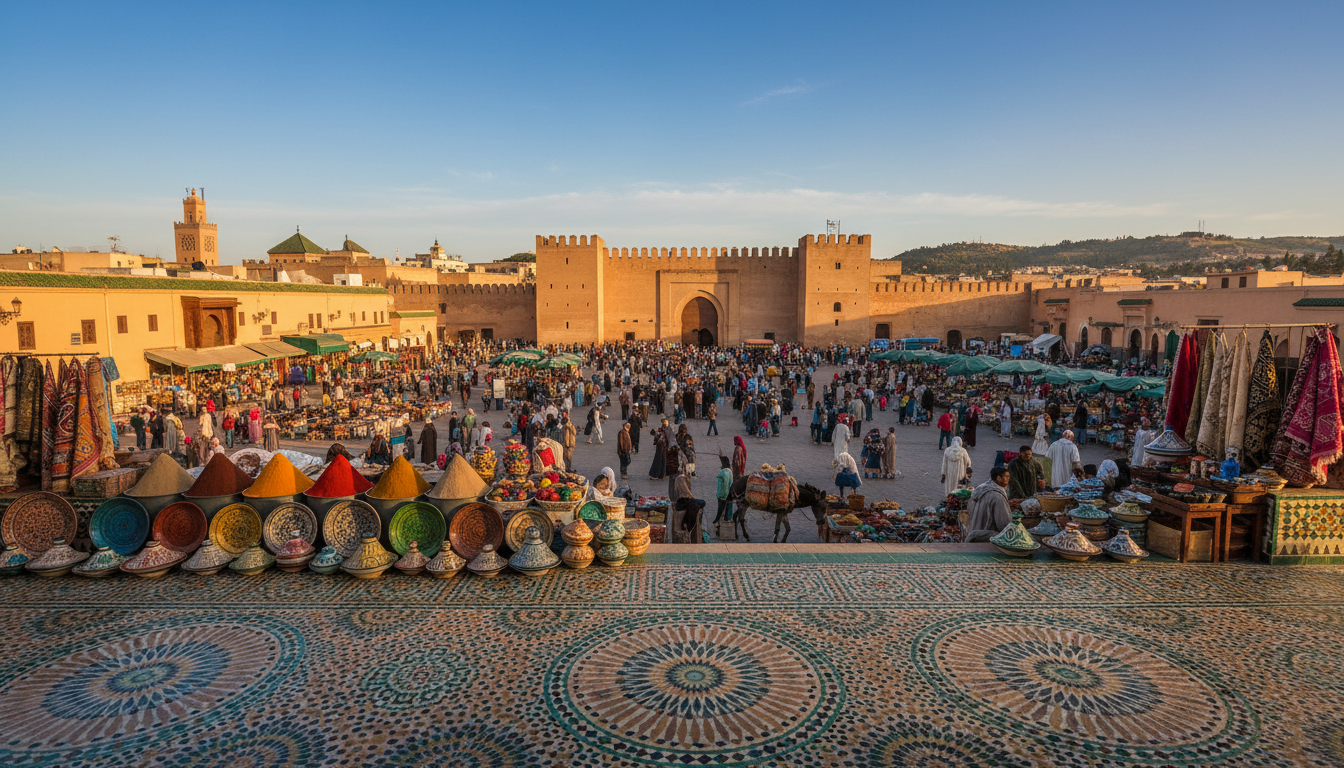
Ancient medinas contain narrow streets, traditional markets, and historic buildings. Therefore, they provide visitors with a glimpse into Morocco’s cultural past.
Music plays a vital role in Moroccan culture. In fact, each region maintains unique musical traditions that reflect local history and identity.
Gnawa music combines African rhythms with spiritual traditions. Consequently, it has gained international recognition.
Andalusian music preserves melodies and artistic traditions that originated in medieval Spain.
Chaabi music remains popular at weddings, celebrations, and cultural events throughout the country.
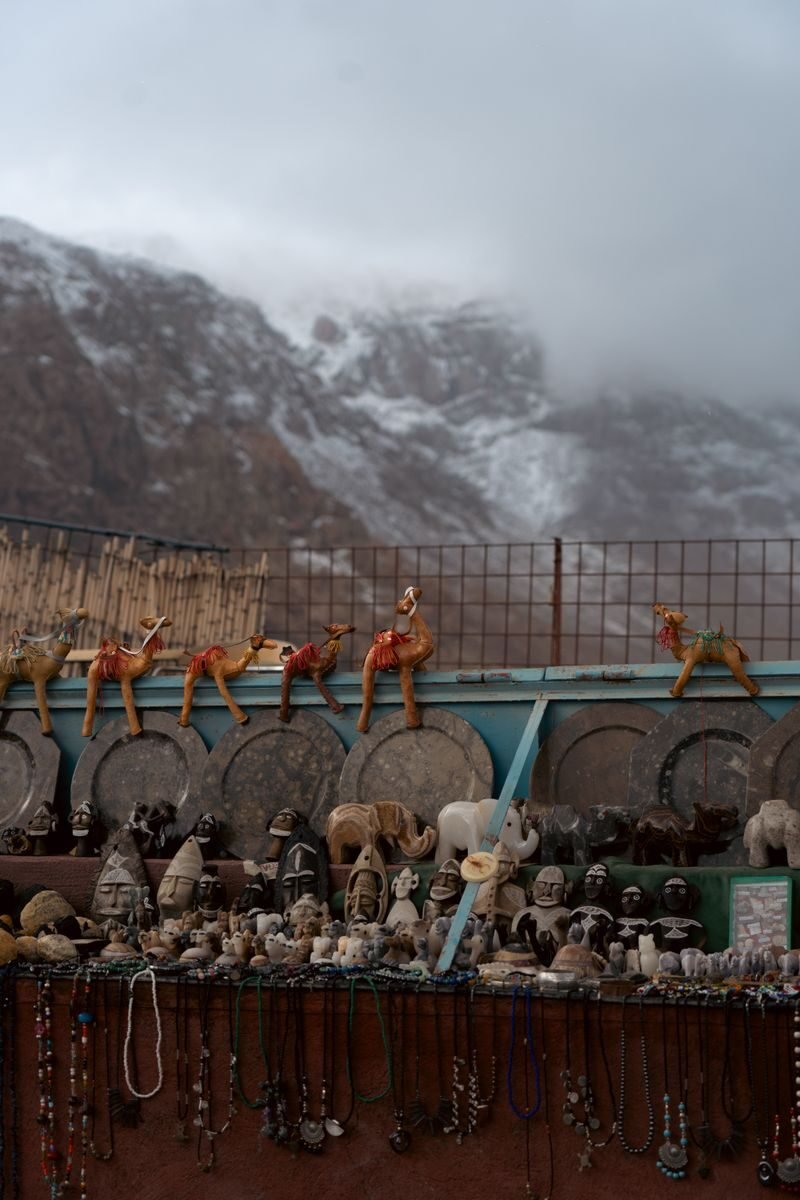
Moroccan artisans create products that showcase centuries of craftsmanship. Moreover, these traditional skills continue to support local communities.
Popular crafts include:
As a result, Moroccan markets attract visitors searching for authentic handmade products.
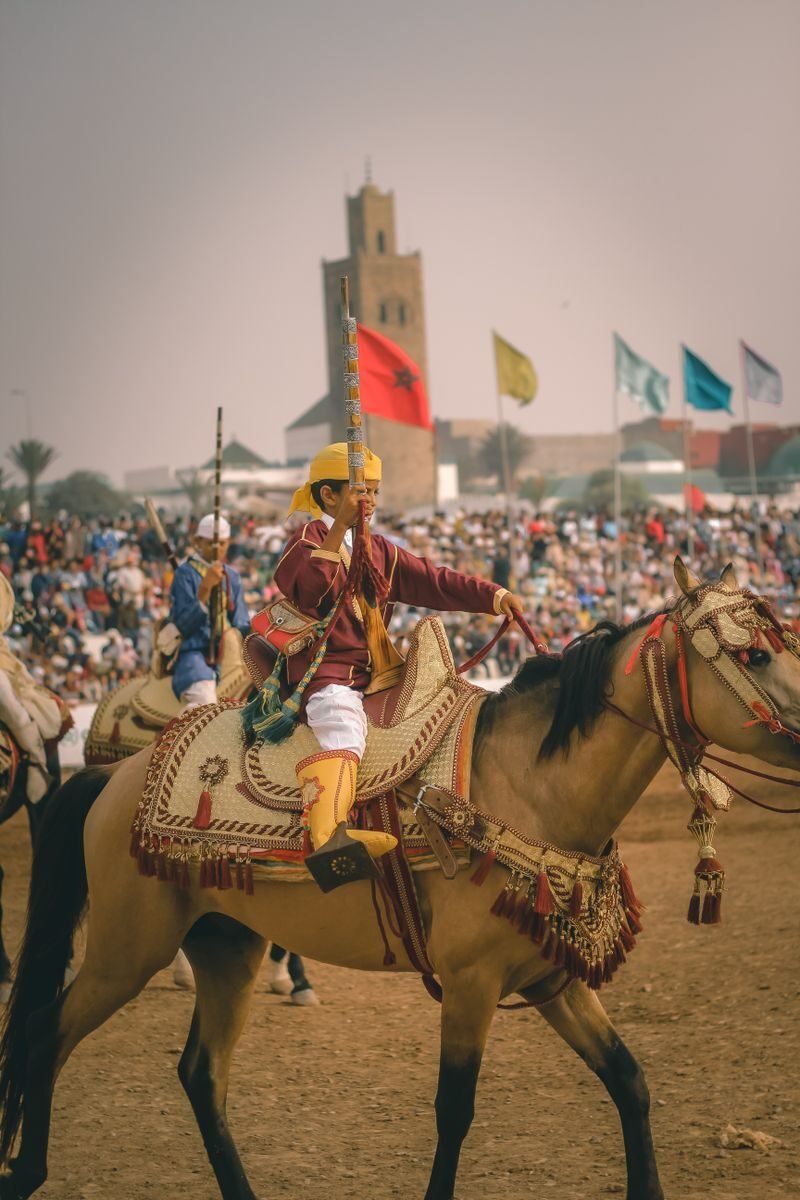
Festivals play an important role in Moroccan culture. Furthermore, they strengthen community bonds and preserve cultural traditions.
During Ramadan, families gather for evening meals and spiritual reflection.
This celebration marks the end of Ramadan and brings families together.
Eid al-Adha emphasizes generosity, faith, and community values.
Yennayer celebrates Amazigh culture and heritage throughout Morocco.
Modern Morocco successfully balances tradition and progress. While many communities preserve ancient customs, younger generations embrace new ideas and technologies. Consequently, Morocco continues to evolve while maintaining its cultural identity.
Cities such as Marrakech, Casablanca, and Rabat showcase this balance between heritage and modernization. Furthermore, tourism, education, and international business contribute to cultural development across the country.
Morocco culture stands out because it combines multiple civilizations into one national identity. Moreover, the country preserves traditions that remain relevant in modern society. Visitors can experience Amazigh heritage, Islamic architecture, world-famous cuisine, and genuine hospitality within a single journey.
As a result, Morocco offers cultural experiences that few destinations can match. Therefore, travelers often return with a deeper appreciation for the country’s history, diversity, and traditions.
Morocco culture is known for hospitality, traditional food, historic architecture, colorful markets, music, and diverse cultural influences.
Most Moroccans speak Darija, Amazigh languages, French, and increasingly English.
Couscous is widely considered Morocco’s national dish.
Moroccan culture combines Amazigh, Arab, African, Andalusian, Jewish, and Mediterranean influences, creating a rich and distinctive heritage.
Morocco culture represents a remarkable blend of history, traditions, and diversity. Furthermore, its influence appears in architecture, cuisine, language, music, clothing, and daily life. As a result, visitors enjoy authentic cultural experiences that reveal the country’s unique identity.
Above all, Morocco preserves its heritage while embracing modern development. Therefore, it remains one of the most culturally fascinating destinations in Africa. Finally, travelers who explore Morocco discover a welcoming society rich in traditions, history, and unforgettable experiences.