The Kaftan Morocco tradition represents one of the most beautiful and recognisable aspects of Moroccan culture. Known for its luxurious fabrics, intricate embroidery, and timeless elegance, the Moroccan kaftan has become a symbol of heritage, craftsmanship, and national identity. Today, women wear the Moroccan kaftan during weddings, religious celebrations, family gatherings, and special occasions throughout Morocco and beyond. The Moroccan caftan is also recognized internationally as an important cultural tradition and was inscribed on UNESCO’s Representative List of the Intangible Cultural Heritage of Humanity in 2025.
Whether you are planning a trip to Morocco, attending a Moroccan wedding, or simply interested in traditional fashion, understanding the history and significance of the Moroccan kaftan offers a fascinating glimpse into the country’s rich cultural heritage.
A Moroccan kaftan is a long, elegant garment traditionally worn by women. Unlike modern fashion trends that come and go, the Moroccan kaftan has remained an essential part of Moroccan culture for centuries.
The garment is often crafted from luxurious materials such as:
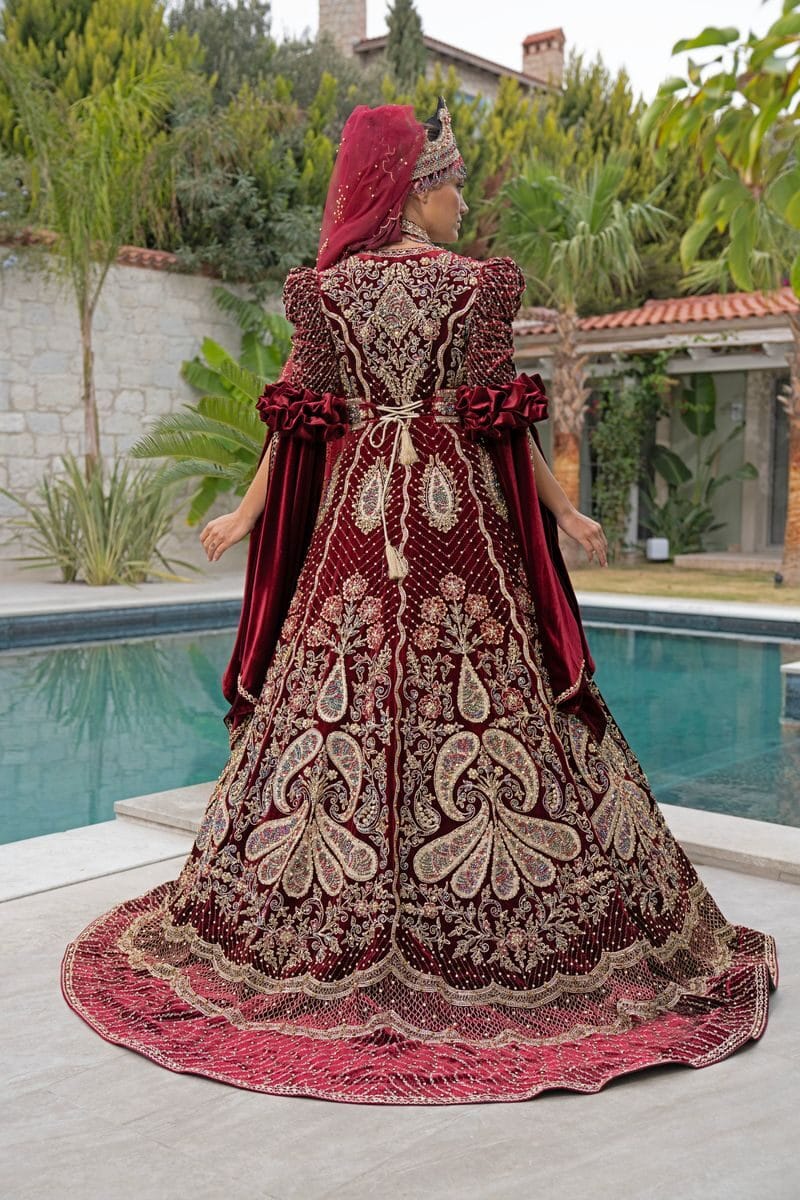
Moroccan artisans decorate kaftans with detailed embroidery, handmade buttons known as Aakad, and decorative braids called Sfifa, creating garments that are both artistic and culturally significant.
The history of the Moroccan kaftan dates back several centuries. Historians trace its development to influences from Andalusian, Arab, Amazigh (Berber), and Ottoman traditions. Over time, Morocco transformed the garment into a unique cultural expression that differs significantly from kaftans found elsewhere in the world.
Originally worn by royalty and members of noble families, the kaftan gradually became accessible to broader segments of Moroccan society. During the Saadian and Alaouite dynasties, Moroccan artisans refined the garment, adding sophisticated embroidery techniques and luxurious fabrics that elevated its status.
Today, the Moroccan kaftan remains one of the country’s most treasured cultural symbols.
Several factors contribute to the global popularity of the Moroccan kaftan:
The flowing silhouette flatters different body shapes and offers both comfort and sophistication.
Each handmade kaftan can require days or even weeks of work by skilled artisans.
The garment plays an important role in Moroccan weddings, festivals, and celebrations.
Designers worldwide continue to draw inspiration from Moroccan kaftans due to their luxurious appearance and intricate detailing.
Morocco offers a wide variety of kaftan styles, each reflecting regional traditions and personal preferences.
This classic style features a single-piece design with rich embroidery and handcrafted details.
The Takchita is among the most luxurious forms of Moroccan dress. It typically consists of two layers and is often worn during weddings and major celebrations. A decorative belt enhances its elegant appearance.
Contemporary designers combine traditional craftsmanship with modern cuts, colors, and fabrics to appeal to younger generations.
Bridal kaftans often feature elaborate embroidery, gemstones, pearls, and luxurious fabrics that symbolize celebration and prestige.
A Moroccan wedding would not be complete without the kaftan. Brides often wear several different kaftans throughout the celebration, each representing a specific cultural tradition or family heritage.
Common wedding kaftan colors include:
Many Moroccan families invest significant time and resources into selecting wedding kaftans because they represent beauty, family pride, and cultural continuity.
The beauty of a Moroccan kaftan comes from the work of numerous skilled craftspeople.
These include:
Traditional skills are passed down from generation to generation through workshops, apprenticeships, and family businesses. UNESCO specifically recognized these craftsmanship traditions as part of Morocco’s intangible cultural heritage.
Different Moroccan cities contribute unique styles and techniques to kaftan production.
Known for exquisite embroidery, luxurious fabrics, and traditional craftsmanship.
Famous for modern fashion innovation while maintaining traditional Moroccan aesthetics.
Home to many prestigious designers and fashion events.
Influenced by Andalusian heritage and delicate decorative techniques.
In 2025, UNESCO officially inscribed “Moroccan Caftan: Art, Traditions and Skills” on its Representative List of the Intangible Cultural Heritage of Humanity. This recognition highlights not only the garment itself but also the traditional knowledge, craftsmanship, and cultural practices associated with its creation and use.
This achievement reinforces Morocco’s position as a leading center of traditional textile arts and cultural preservation.
Visitors to Morocco can experience kaftan culture through:
Cities such as Marrakech, Fez, and Rabat offer exceptional opportunities to discover authentic Moroccan craftsmanship.
As sustainable fashion gains popularity worldwide, the Moroccan kaftan stands out as an example of slow fashion.
Benefits include:
Unlike mass-produced clothing, authentic Moroccan kaftans often become cherished family heirlooms.
At Package Morocco, we believe that discovering Morocco means experiencing its traditions, craftsmanship, and cultural heritage. Our Morocco tours allow travelers to explore historic cities, meet local artisans, and learn about iconic traditions such as the Moroccan kaftan.
Whether you visit the imperial cities, the Atlas Mountains, or the Sahara Desert, you will encounter the living traditions that make Morocco one of the world’s most fascinating destinations.
A Moroccan kaftan is a traditional elegant garment worn during weddings, celebrations, and special occasions.
Yes. Moroccan kaftans feature unique embroidery, handmade decorations, luxurious fabrics, and distinctive craftsmanship traditions.
Moroccans commonly wear kaftans during weddings, religious celebrations, festivals, family gatherings, and cultural events.
A Takchita is a luxurious two-piece version of the Moroccan kaftan traditionally worn at weddings and formal celebrations.
Yes. UNESCO inscribed the Moroccan Caftan on its Representative List of the Intangible Cultural Heritage of Humanity in 2025.
The Kaftan Morocco tradition represents far more than beautiful clothing. It embodies centuries of craftsmanship, cultural identity, artistic expression, and family heritage. From royal courts to modern fashion runways, the Moroccan kaftan continues to inspire admiration around the world.
For travelers seeking an authentic cultural experience, discovering the story of the Moroccan kaftan is one of the best ways to understand Morocco’s rich and enduring heritage.