Hand of Fatima (Hamsa) in Morocco: Meaning, History, Symbolism & Travel Guide
Hand of Fatima (Hamsa) in Morocco
The Hand of Fatima, also known as the Hamsa Hand, is one of the most recognizable symbols in Morocco. Found on jewelry, doors, riads, traditional homes, Moroccan crafts, silver ornaments, wall decorations, keychains, and souvenirs, the Hand of Fatima is deeply connected to Moroccan culture and heritage.
Visitors traveling through Marrakech, Fes, Chefchaouen, Casablanca, Rabat, Meknes, Essaouira, Tangier, and the Sahara Desert will frequently encounter this powerful symbol. Many Moroccans consider it a sign of protection, blessing, peace, good fortune, and spiritual strength.
What is the Hand of Fatima?
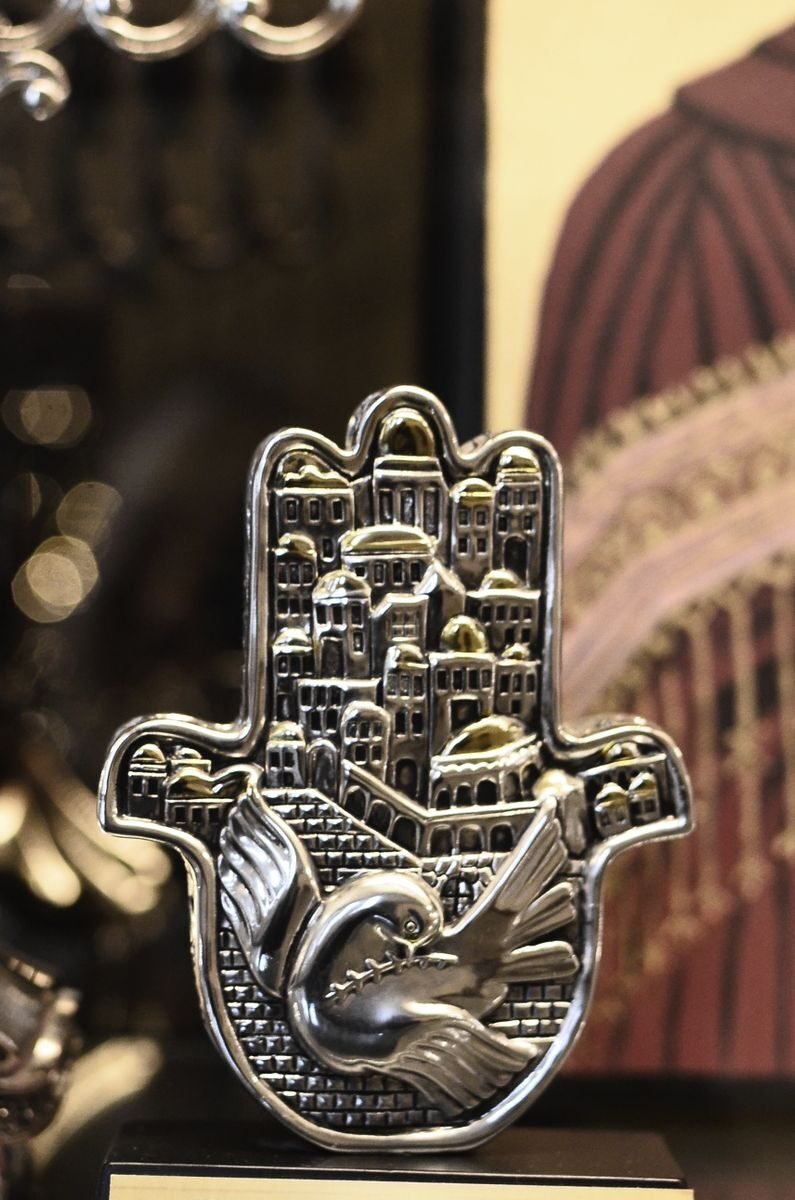
The Hand of Fatima, called Hamsa or Khamsa, is a palm-shaped symbol featuring five fingers. The word “Hamsa” comes from the Arabic word for “five.” The symbol is widely used across North Africa and the Middle East and is often associated with protection against negative energy and the evil eye.
Common names include:
- Hand of Fatima
- Hamsa Hand
- Khamsa
- Fatima Hand
- Moroccan Hamsa
- Protective Hand Symbol
- Hand of Protection
- Five Finger Symbol
- Hand Charm
- Hamsa Amulet
The History of the Hand of Fatima
The Hand of Fatima has ancient origins that predate Islam. Historical evidence suggests that similar hand symbols existed in ancient Mediterranean civilizations before becoming integrated into Islamic, Jewish, and Christian traditions. Over time, the symbol became one of the most recognized cultural emblems throughout North Africa.
In Morocco, the Hamsa evolved into a symbol representing:
- Protection
- Blessing
- Faith
- Harmony
- Family
- Good luck
- Spiritual balance
- Cultural identity
Today, it remains one of Morocco’s most famous traditional symbols.
The Meaning of the Hand of Fatima
The Hand of Fatima symbolizes:
Protection
Many people believe the symbol helps guard against negative influences and envy.
Good Fortune
The Hamsa is commonly gifted to bring luck and prosperity.
Peace and Harmony
The open palm represents peace, honesty, and positive energy.
Spiritual Strength
The symbol is often associated with resilience and faith.
Family Protection
Many Moroccan families display a Hand of Fatima in their homes for blessings and protection.
The Hand of Fatima in Moroccan Culture
The Hand of Fatima appears throughout Morocco in:
- Moroccan jewelry
- Silver Berber jewelry
- Moroccan home décor
- Traditional Moroccan doors
- Riads
- Mosques
- Handmade crafts
- Leather products
- Ceramic tiles
- Wall hangings
- Carpets and rugs
- Souvenir shops
Visitors exploring Moroccan souks often purchase Hamsa souvenirs as meaningful gifts and travel keepsakes.
Where to See the Hand of Fatima in Morocco
Marrakech
The bustling souks of Marrakech feature countless Hamsa-inspired designs.
Fes
Fes is famous for handcrafted silver Hamsa jewelry and traditional artisan workshops.
Chefchaouen
The Blue City offers beautiful handmade Hamsa decorations and artwork.
Essaouira
Known for artistic interpretations of traditional Moroccan symbols.
Sahara Desert
Desert communities often incorporate Hamsa motifs into Berber craftsmanship.
Hand of Fatima and Moroccan Tourism
Many travelers visiting Morocco become fascinated by:
- Moroccan traditions
- Islamic culture
- Berber heritage
- Moroccan architecture
- Local handicrafts
- Cultural symbols
- Traditional markets
- Historical sites
The Hand of Fatima serves as an excellent introduction to Morocco’s rich cultural history.
Frequently Asked Questions (FAQs)
What does the Hand of Fatima mean?
The Hand of Fatima is widely regarded as a symbol of protection, blessing, peace, and good fortune.
Is the Hand of Fatima the same as the Hamsa?
Yes. Hamsa, Khamsa, and Hand of Fatima are different names for the same symbol.
Why is the Hand of Fatima popular in Morocco?
The symbol has been part of Moroccan culture for centuries and appears in jewelry, architecture, crafts, and home decoration.
Can tourists buy authentic Hamsa jewelry in Morocco?
Yes. Authentic Hamsa jewelry can be found in Marrakech, Fes, Chefchaouen, Essaouira, and other Moroccan cities.
Is the Hand of Fatima religious?
The symbol has cultural and religious associations across different traditions, including Islamic, Jewish, and Christian communities.
Where can I see the Hand of Fatima in Morocco?
You will find it throughout Moroccan medinas, artisan workshops, souks, riads, and cultural attractions.
Conclusion
The Hand of Fatima remains one of Morocco’s most iconic cultural symbols. Whether you encounter it in the bustling souks of Marrakech, the ancient medina of Fes, the blue streets of Chefchaouen, or among the Berber communities of the Sahara Desert, the Hamsa represents Morocco’s rich blend of history, spirituality, craftsmanship, and tradition. For travelers seeking authentic Moroccan culture, understanding the Hand of Fatima offers a deeper appreciation of the country’s remarkable heritage