Hamsa (Hand of Fatima) in Morocco: History, Meaning, Symbolism, and Cultural Significance
Hamsa (Hand of Fatima) in Morocco: The Ultimate Guide
The Hamsa, also known as the Hand of Fatima, is one of the most iconic symbols in Morocco and throughout North Africa. Found in traditional Moroccan homes, luxury riads, ancient medinas, artisan workshops, Berber villages, and bustling souks, the Hamsa represents protection, good fortune, blessings, strength, and spiritual harmony.
For travellers visiting Morocco, understanding the Hamsa offers a deeper appreciation of Moroccan culture, Islamic traditions, Berber heritage, and centuries of artistic craftsmanship. Whether you encounter a silver Hamsa necklace in Marrakech, a decorative Hand of Fatima in a riad in Fes, or a handcrafted amulet in the Sahara Desert, this powerful symbol remains an important part of Moroccan identity.
At Package Morocco, we encourage travellers to explore not only Morocco’s breathtaking landscapes but also its rich cultural traditions and symbols that have shaped Moroccan society for generations.
What Is the Hamsa?
The Hamsa is a palm-shaped amulet featuring five fingers. The word “Hamsa” originates from the Arabic word Khamsa, meaning “five.” The symbol has been used across North Africa and the Middle East for thousands of years and is considered a universal sign of protection.
Several names are known for the Hamsa:
- Hand of Fatima
- Khamsa
- Fatima’s Hand
- Moroccan Hamsa
- Protective Hand
- Palm of Fatima
- Five Fingers Amulet
- Hand of Protection
In Moroccan culture, the Hamsa is commonly associated with warding off negative energy, protecting against the evil eye, and attracting prosperity and happiness.
The History of the Hamsa
The history of the Hamsa extends far beyond modern religions. Archaeologists and historians trace similar hand-shaped symbols back to ancient civilisations around the Mediterranean, including the Phoenicians, Carthaginians, and early Berber communities.
Over centuries, the symbol evolved and became connected with Islamic traditions through Fatima al-Zahra, the beloved daughter of the Prophet Muhammad. In Morocco, the Hamsa became integrated into local customs, architecture, decorative arts, and family traditions.
Today, the Hamsa remains one of the most recognised cultural symbols in:
- Morocco
- Algeria
- Tunisia
- Egypt
- Jordan
- Lebanon
- Turkey
- Spain
- Israel
Its popularity continues to grow worldwide as people appreciate its artistic beauty and symbolic meaning.
The Meaning of the Hand of Fatima
The Hand of Fatima carries multiple layers of meaning, making it one of the most spiritually significant symbols in Moroccan culture.
Protection
The primary purpose of the Hamsa is protection. It is believed to shield individuals from harmful influences, jealousy, and negative intentions.
Good Luck
Many Moroccans display the Hamsa to attract good fortune, success, and positive opportunities.
Blessings
The symbol is often associated with divine blessings, spiritual guidance, and personal well-being.
Strength and Resilience
The open hand represents courage, perseverance, and inner strength during difficult times.
Peace and Harmony
The Hamsa serves as a reminder of balance, peace, and harmony within the family and community.
Prosperity
Many people believe the symbol invites abundance, financial stability, and prosperity into their lives.
The Hamsa and the Evil Eye
One of the most common reasons for using the Hamsa is to protect against the evil eye.
The evil eye is a traditional belief that envy, jealousy, or malicious thoughts can bring bad luck or misfortune. This belief exists in many cultures around the world, including Morocco.
The Hamsa is thought to:
- Deflect negative energy
- Protect families and homes
- Promote emotional well-being
- Encourage positive energy
- Create spiritual protection
Many Moroccan Hamsa designs include a blue eye in the center, further emphasising protection against harmful influences.
Hamsa in Moroccan Culture
The Hamsa appears in almost every aspect of Moroccan life. Visitors travelling through Morocco will quickly notice its presence in architecture, jewellery, art, and daily traditions.
Traditional Moroccan Homes
Many Moroccan families place a Hamsa near the entrance of their homes to protect the household and welcome positive energy.
Riads and Hotels
Luxury riads and boutique hotels often feature Hamsa motifs in their decoration, tilework, and architecture.
Moroccan Markets
Souks across Marrakech, Fes, Essaouira, and Chefchaouen sell handcrafted Hamsa items created by local artisans.
Traditional Weddings
The Hamsa frequently appears in wedding jewellery and ceremonial gifts as a symbol of happiness and protection for newlyweds.
Religious and Cultural Celebrations
The symbol is often incorporated into decorations and gifts during special occasions and family gatherings.
Hamsa Jewellery in Morocco
Moroccan artisans are renowned for creating exquisite Hamsa jewellery using traditional techniques passed down through generations.
Popular pieces include:
Hamsa Necklaces
Elegant necklaces featuring silver, gold, turquoise, or gemstone Hamsa pendants.
Hamsa Bracelets
Stylish bracelets believed to protect daily life.
Hamsa Earrings
Artistic earrings combining Moroccan craftsmanship with symbolic meaning.
Silver Hamsa Pendants
Traditional Moroccan silver jewellery remains one of the most sought-after souvenirs among international visitors.
Berber Hamsa Jewellery
Unique designs inspired by Amazigh (Berber) traditions and cultural heritage.
The Hamsa in Moroccan Architecture
Moroccan architecture is famous for intricate decorative details, and the Hamsa often plays a role in artistic design.
Visitors may find Hamsa symbols incorporated into:
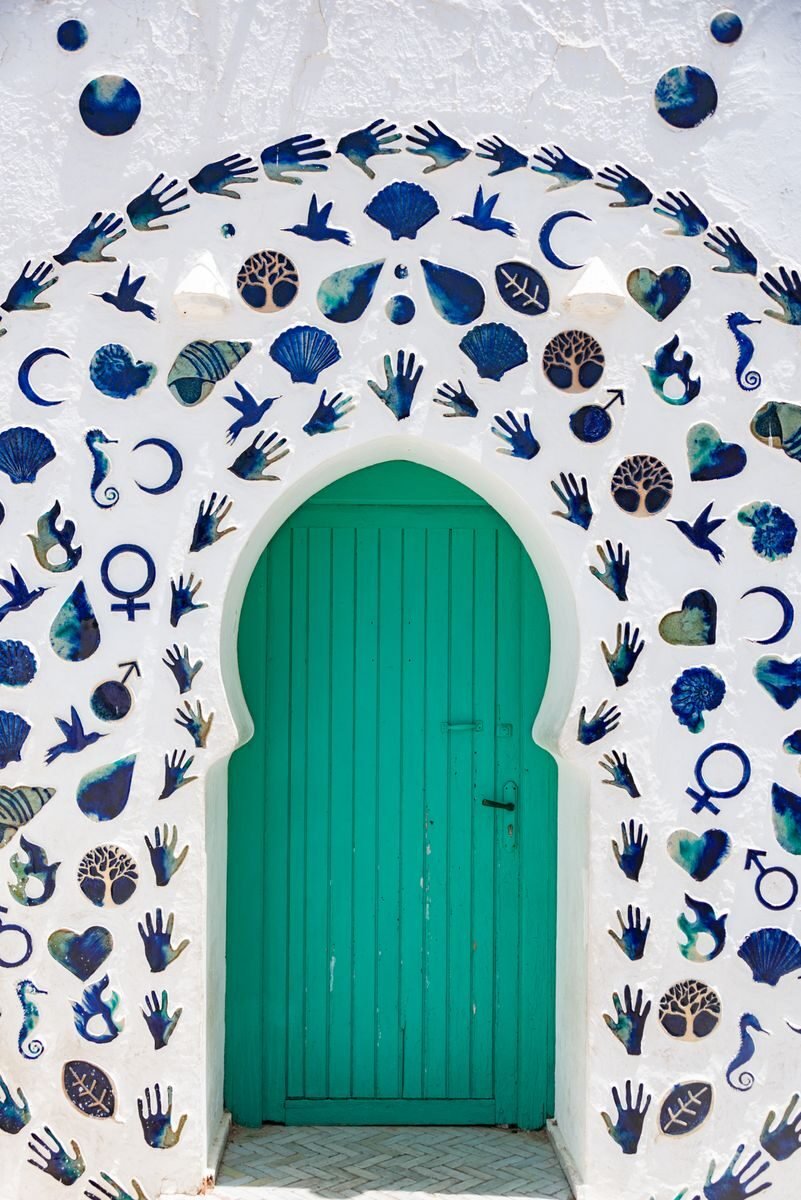
- Decorative doors
- Carved wooden panels
- Traditional riad entrances
- Zellige tilework
- Courtyard fountains
- Handcrafted metalwork
- Ceramic art
- Mosaic decorations
These artistic elements demonstrate the deep connection between Moroccan culture and symbolic expression.
Where to Buy Authentic Hamsa Souvenirs in Morocco
Marrakech
Marrakech offers some of the country’s largest traditional markets, where visitors can discover handcrafted Hamsa jewellery, artwork, and home décor.
Fes
Known as Morocco’s cultural capital, Fes is famous for artisan workshops producing authentic handcrafted items.
Chefchaouen
The Blue City features charming shops selling artistic Hamsa souvenirs and handmade gifts.
Essaouira
Essaouira is renowned for silver jewellery and unique artisan products inspired by Moroccan traditions.
Casablanca
Modern shopping centres and traditional markets provide a wide variety of contemporary and traditional Hamsa designs.
Why the Hamsa Is Important for Travellers
Travellers visiting Morocco are often fascinated by the Hamsa because it represents more than a decorative object. It embodies centuries of history, spirituality, cultural identity, and artistic tradition.
Purchasing a Hamsa souvenir allows visitors to bring home a meaningful symbol that reflects their connection to Morocco and its rich heritage.
The Hamsa is especially popular among travellers interested in:
- Moroccan culture
- Islamic heritage
- Berber traditions
- Spiritual symbolism
- Artisan craftsmanship
- Handmade jewelry
- Traditional markets
- Cultural tourism
Experience Authentic Moroccan Culture with Package Morocco
At Package Morocco, our private Morocco tours introduce travellers to the country’s most fascinating cultural treasures. From the historic medinas of Fes and Marrakech to the breathtaking dunes of Merzouga and the blue streets of Chefchaouen, our expert guides help visitors discover the authentic traditions that make Morocco unique.
Explore artisan workshops, traditional souks, Berber villages, ancient kasbahs, and cultural landmarks while learning about symbols such as the Hamsa and their role in Moroccan society.
Popular Morocco Experiences
- Marrakech Guided Tours
- Fes Cultural Tours
- Sahara Desert Adventures
- Chefchaouen Day Trips
- Luxury Morocco Tours
- Family Morocco Holidays
- Private Morocco Tours
- Imperial Cities Tours
- Berber Village Experiences
- Morocco Photography Tours
Frequently Asked Questions About the Hamsa
What does the Hamsa symbolise?
The Hamsa symbolises protection, blessings, peace, strength, prosperity, and good fortune.
Why is it called the Hand of Fatima?
The symbol is associated with Fatima al-Zahra, the daughter of the Prophet Muhammad, who is respected for her faith and devotion.
Is the Hamsa popular in Morocco?
Yes. The Hamsa is one of Morocco’s most recognisable cultural and spiritual symbols.
What is the evil eye?
The evil eye refers to the belief that jealousy or envy can bring negative energy or bad luck.
Where can I buy a Hamsa in Morocco?
Authentic Hamsa products are widely available in Marrakech, Fes, Chefchaouen, Essaouira, Casablanca, and other Moroccan cities.
Is the Hamsa a good souvenir?
Absolutely. The Hamsa is one of the most meaningful and popular souvenirs purchased by visitors to Morocco.
Can the Hamsa be worn as jewellery?
Yes. Hamsa necklaces, bracelets, earrings, and pendants are among the most popular forms of Moroccan jewellery.
Does the Hamsa have religious significance?
The Hamsa is associated with Islamic traditions, but it is also appreciated as a cultural and historical symbol throughout North Africa and beyond.