North of Africa: Discover Morocco’s Most Beautiful Places
Discover the North of Africa through the colours, landscapes and traditions of Morocco. Explore ancient medinas, walk through the Atlas Mountains, experience the Sahara Desert and relax beside the Atlantic Ocean. Above all, enjoy a journey filled with history, local food and unforgettable scenery.
Explore Morocco Plan Your TripWhat Is the North of Africa?
The North of Africa, commonly called North Africa, is the northern region of the African continent. It stretches along the Mediterranean Sea and the Atlantic Ocean, with landscapes ranging from coastal cities and fertile valleys to mountains and vast desert areas.
The region is commonly associated with countries such as Morocco, Algeria, Tunisia, Libya and Egypt. Depending on the geographical definition, other countries and territories may also be included. As a result, North Africa has a wide range of landscapes, languages, histories and cultural traditions.
Morocco is an excellent destination for travellers who want to experience this diversity. Located at the meeting point of the Atlantic, Mediterranean and African worlds, it offers historic cities, mountain scenery, desert adventures and distinctive regional food. Learn more about Morocco’s history and geography.
Why Visit Morocco in North Africa?
Morocco offers a remarkable variety of experiences within one country. For example, visitors can explore a traditional market in the morning and enjoy a mountain view later that day. In addition, the country’s historic architecture and regional traditions make every stop feel different.
Historic Cities
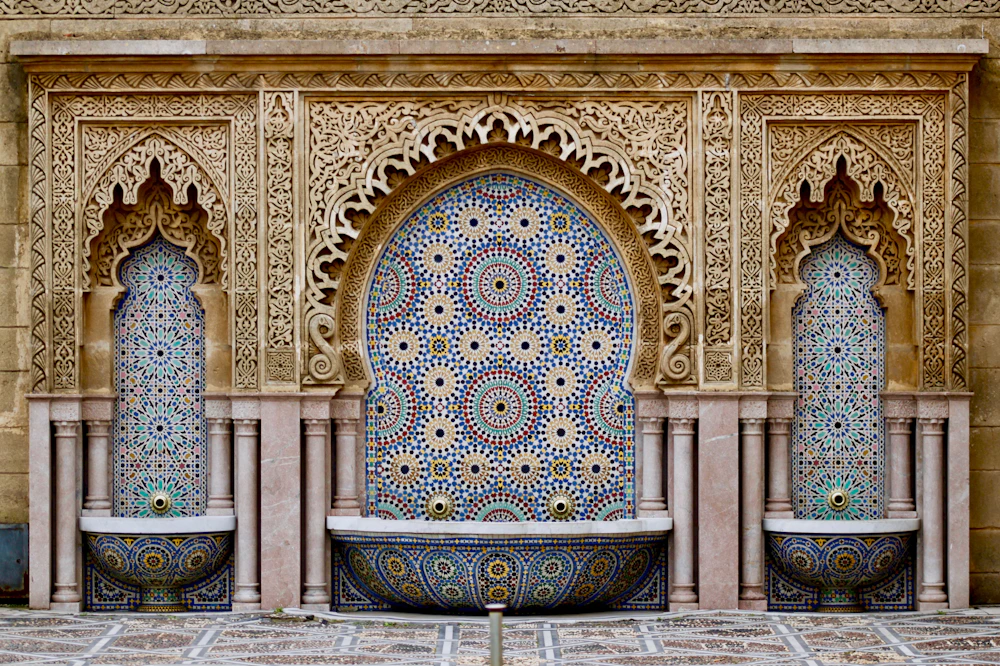
Discover the medinas, souks, palaces and gardens of Morocco’s famous cities. Meanwhile, local guides can help explain the stories behind their historic buildings.

Desert Landscapes
Travel toward the Sahara for golden dunes, wide-open horizons and peaceful evenings. A multi-day journey also reveals southern Morocco’s valleys and traditional villages.

Natural Beauty
From mountain valleys to coastal viewpoints, Morocco has landscapes for different interests. Therefore, you can plan a cultural holiday, an outdoor adventure or a relaxed escape.
Morocco: A Crossroads of Cultures
Moroccan culture reflects Amazigh heritage, Arab influences, African connections and centuries of Mediterranean exchange. These influences can be seen in architecture, music, languages, crafts and food.
For instance, Amazigh traditions remain an important part of the country’s identity. Traditional tilework, carved wood, woven textiles and handmade pottery also show the skill of local artisans.
Furthermore, Morocco’s hospitality is an important part of many travel experiences. Sharing mint tea, visiting a local market or tasting a regional dish can help visitors understand daily life beyond the main tourist attractions.

Best Places to Visit in Morocco
Planning a trip to the North of Africa becomes easier when you choose a few destinations that match your interests. The following Moroccan highlights offer a good starting point for a first visit.
Marrakech
Marrakech is known for its lively medina, traditional souks, gardens and historic landmarks. Start at Jemaa el-Fnaa, then explore the surrounding streets for crafts, food and local life.
In addition, the city is a convenient base for day trips to the Atlas Mountains and longer journeys into southern Morocco.
Official Morocco travel guide
Chefchaouen
Set among the Rif Mountains, Chefchaouen is famous for its blue-painted streets and relaxed atmosphere. Visitors can browse small shops, photograph colourful lanes and enjoy nearby mountain scenery.
As a result, it is a popular stop for travellers exploring northern Morocco.
Discover MoroccoMerzouga and the Sahara
Merzouga is a popular gateway to the Erg Chebbi dunes. Here, visitors can arrange a camel trek, watch the sunset and spend a night at a desert camp.
However, reaching Merzouga from Marrakech takes considerable time. Plan several days for the journey rather than rushing through southern Morocco.
Plan a Morocco holiday
Aït Ben Haddou
This historic fortified settlement is known for its earthen architecture and traditional ksar. It is an important stop on many routes between Marrakech and the desert.
Moreover, its distinctive buildings and surrounding landscape make it a highlight for history lovers and photographers.
Aït Ben Haddou at UNESCOFes
Fes is famous for its historic medina, traditional workshops and long-standing craft traditions. Walking through its narrow lanes offers insight into Morocco’s architectural and cultural heritage.
For a deeper experience, consider a guided medina visit. A local guide can help you understand the city’s history and find important landmarks.
Explore Morocco’s heritage
Essaouira
Essaouira combines a historic medina with Atlantic views, a fishing harbour and a laid-back coastal atmosphere. Its restaurants are also a good place to try fresh seafood.
In contrast to busier inland cities, Essaouira offers a slower pace and refreshing sea breezes.
Explore coastal Morocco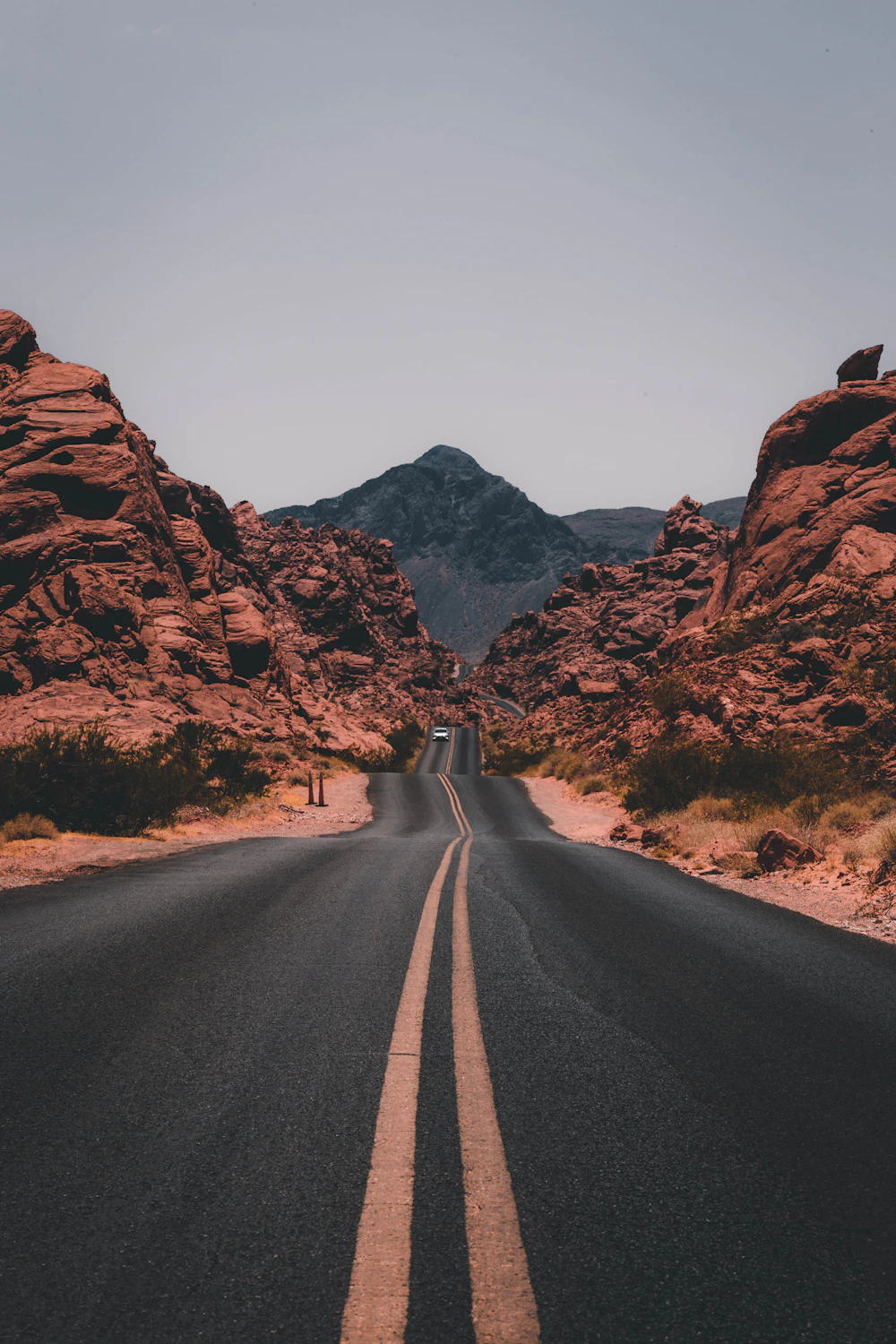
Atlas Mountains
The Atlas Mountains offer dramatic scenery, valleys and traditional villages. Depending on the season, you may encounter green landscapes, rocky slopes or snow at higher elevations.
Furthermore, guided walks can introduce visitors to local Amazigh culture and rural life.
Discover Morocco’s natureAgadir
Agadir is known for its sandy beach, seaside promenade and relaxed holiday atmosphere. Nearby coastal areas also attract surfers and visitors seeking outdoor activities.
Consequently, Agadir is a good choice for travellers who want to combine Moroccan culture with time by the sea.
Discover Morocco’s coastRabat and Casablanca
Rabat combines historic sites with a modern capital-city atmosphere. Meanwhile, Casablanca is known for its urban energy and the impressive Hassan II Mosque beside the ocean.
These cities work well for travellers interested in architecture, history and contemporary Moroccan life.
Explore Moroccan citiesNorth African Food and Moroccan Specialities
Food is one of the most enjoyable ways to discover North African culture. Moroccan cuisine brings together spices, vegetables, grains, fresh herbs and slow-cooked dishes. Recipes also change from region to region, giving visitors plenty of variety.
Moroccan Tagine
Tagine is slow-cooked in a distinctive cooking pot. Popular varieties include chicken with preserved lemon, lamb with prunes and seasonal vegetable dishes.
Couscous
Couscous is often served with vegetables and meat, although recipes vary. It is strongly associated with family meals and Moroccan food traditions.
Mint Tea and Pastries
Moroccan mint tea is a familiar part of hospitality. Along the way, try local breads, pastries and street food to discover regional flavours.
Best Time to Visit the North of Africa
The best time to travel depends on your destination and planned activities. Spring and autumn are often comfortable for exploring several Moroccan regions. Nevertheless, weather can vary greatly between the coast, mountains and desert.
- Spring: Often pleasant for city visits, walking and countryside trips.
- Summer: Can be very hot inland and in the desert, while coastal areas may feel cooler.
- Autumn: A popular season for cultural journeys and Sahara tours.
- Winter: Cities can be cool, mountain areas may receive snow, and desert nights can be cold.
Therefore, check local forecasts before departure. If your itinerary includes mountains or an overnight desert camp, pack layers and suitable footwear.
How to Plan a Trip to Morocco
Morocco has many destinations, but travelling between them can take longer than expected. For this reason, choose a realistic route and allow enough time to enjoy each stop.
3 to 4 Days: Marrakech and the Atlas Region
Explore Marrakech’s medina, gardens and historic sites. Then, add a day trip to the Atlas Mountains or the surrounding countryside.
5 to 6 Days: Marrakech and the Sahara
Travel across the High Atlas Mountains, visit Aït Ben Haddou and continue toward Merzouga. Since the road journey is long, include overnight stops and time for the desert experience.
7 to 8 Days: Cities and Southern Morocco
Combine Marrakech with Fes or a Sahara journey, depending on your arrival airport and departure plans. Alternatively, focus on imperial cities for a more culture-centred holiday.
10 to 14 Days: A Wider Morocco Tour
With more time, you can include northern Morocco, imperial cities, the desert and the Atlantic coast. Even so, avoid adding too many long driving days to one itinerary.
For a personalised route, visit Package Morocco and explore options for a private holiday, desert tour or cultural trip.
Practical Tips for Travelling in Morocco
A little preparation helps you enjoy your holiday with greater confidence. Before travelling, check entry requirements, confirm accommodation details and review the transport options for your route.
- Currency: Morocco uses the Moroccan dirham. Keep some cash for small purchases.
- Language: Moroccan Arabic and Amazigh languages are widely spoken. French is also used, while English is common in many tourist areas.
- Clothing: Choose comfortable clothing that respects local customs, particularly when visiting religious or rural sites.
- Transport: Check driving times carefully, especially on mountain roads and long desert routes.
- Shopping: Confirm prices and payment methods before buying goods or arranging activities.
- Photography: Ask permission before photographing people and respect local customs.
- Desert travel: Bring sun protection, comfortable footwear and warm layers for cooler evenings.
- Travel documents: Check passport validity, visa requirements and travel insurance before departure.
For reliable destination information, visit the official Moroccan tourism website. You can also consult UNESCO’s Morocco listings when planning visits to historic sites.
Frequently Asked Questions About the North of Africa
What does North of Africa mean?
The phrase usually refers to North Africa, the northern part of the African continent. Its commonly included countries are Morocco, Algeria, Tunisia, Libya and Egypt, although definitions vary by source.
Is Morocco in North Africa?
Yes. Morocco is located in the northwest of Africa, with Atlantic and Mediterranean coastlines. It is known for historic cities, mountains, desert landscapes and a rich cultural heritage.
What are the best places to visit in Morocco?
Popular destinations include Marrakech, Fes, Chefchaouen, Merzouga, the Atlas Mountains, Aït Ben Haddou, Essaouira, Rabat and Casablanca. The best choice depends on your available time and interests.
How many days are enough for Morocco?
Four or five days can work for one region. However, seven to ten days allows more time to combine several destinations. A longer holiday is better if you want to visit northern cities, the Sahara and the Atlantic coast.
Can I visit the Sahara Desert from Marrakech?
Yes. You can travel from Marrakech toward Merzouga, usually with overnight stops along the way. Because the journey is long, allow several days for the return route and the desert experience.
What is the best time to visit Morocco?
Spring and autumn are often comfortable for exploring multiple regions. Nevertheless, conditions vary by location, so check the forecast for your specific destinations.
Discover Morocco with Package Morocco
From colourful medinas to the golden Sahara, Morocco offers an unforgettable introduction to the landscapes and cultures of the North of Africa. Plan a route that suits your interests, travel dates and preferred pace.
Whether you want a private Morocco tour, a desert adventure or a cultural journey, start planning your experience today.
Explore Package MoroccoTravel information is provided as a planning guide. Confirm current opening times, transport arrangements, weather and entry requirements before travelling.