Discover North Africa
Africa Maroc: Discover the Beauty of Morocco
Explore Morocco, a fascinating African destination where ancient medinas, Amazigh traditions, golden desert dunes, mountain villages and Atlantic beaches come together. Plan your journey with local travel experiences, cultural discoveries and private Morocco tours.
Plan Your Morocco Trip Explore Desert ToursWhen people search for Africa Maroc, they may be looking for Morocco in Africa, travel inspiration, cultural information or a tour through this remarkable country. Morocco is in northwestern Africa, with coastlines along both the Atlantic Ocean and the Mediterranean Sea. Its location has helped shape a rich heritage influenced by Amazigh, Arab, African, Mediterranean and European connections.
Morocco offers many different experiences in one trip. You can walk through the lively souks of Marrakech, discover the historic streets of Fez, visit the blue-painted lanes of Chefchaouen, cross the Atlas Mountains and spend a night beneath the stars in the Sahara region. Along the coast, you can enjoy traditional fishing towns, fresh seafood and relaxing beach days.
Choose a cultural city break, a Sahara Desert adventure, an Atlas Mountains escape or a longer journey connecting several destinations. Your route should match your available time, interests and preferred travel style.
Contact Package Morocco to discuss your itinerary.Where Is Morocco in Africa?
Morocco is located in the northwest corner of the African continent. It faces the Atlantic Ocean to the west and the Mediterranean Sea to the north. The Strait of Gibraltar separates northern Morocco from southern Spain, making the country an important meeting point between Africa and Europe.
The country has a varied landscape, including coastal plains, fertile valleys, the Rif Mountains, the High Atlas and desert environments in the south and southeast. As a result, visitors can experience different climates and scenery during a single holiday.
For official destination information, explore the Moroccan National Tourist Office website.
Best Places to Visit in Morocco, Africa
Every Moroccan region has its own character. The following destinations are excellent starting points for visitors looking for culture, architecture, nature and authentic local experiences.

Marrakech
Marrakech is famous for its historic medina, traditional riads, gardens, artisan workshops and lively Jemaa el-Fnaa square. Explore the souks, sample Moroccan food and discover centuries of architecture.
Discover Marrakech tours
Fez
Fez is known for its historic medina, traditional crafts, religious architecture and long-standing learning traditions. A guided walk can help you understand the city’s history and navigate its narrow streets.
Explore Morocco destinations
Chefchaouen
Set in the Rif Mountains, Chefchaouen attracts visitors with its blue-painted streets, small shops and peaceful atmosphere. It is ideal for photography, relaxed walks and discovering northern Morocco.
Find more places to visit
Merzouga and the Sahara
Travel towards Merzouga to experience the impressive dunes of Erg Chebbi. Depending on your itinerary, enjoy a camel ride, sunset views, a desert camp and a night under the stars.
Explore Morocco desert tours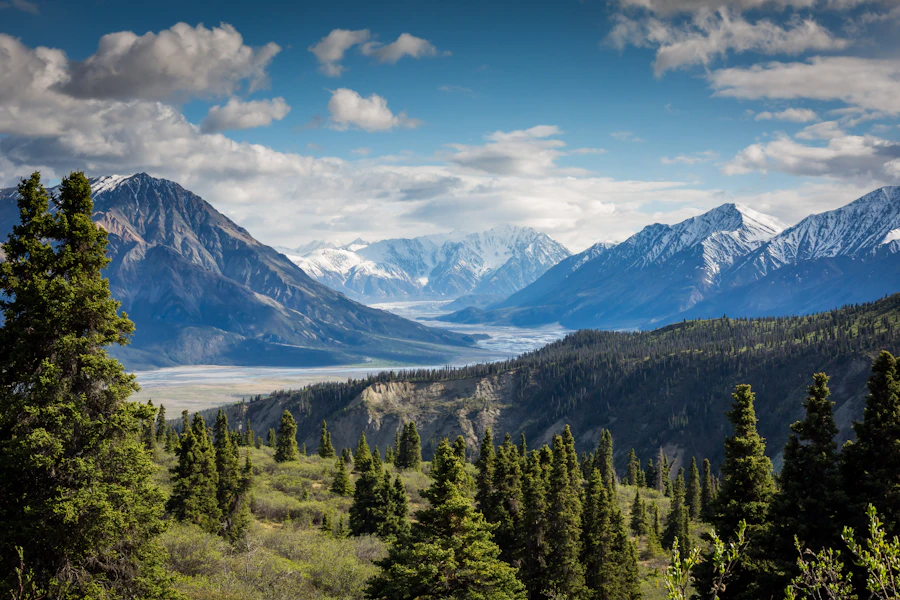
Atlas Mountains
The Atlas region offers mountain views, rural villages, walking routes and opportunities to learn about Amazigh life. Choose a day trip or spend longer exploring the valleys and mountain landscapes.
Arrange a mountain excursion
Essaouira and Agadir
Essaouira offers a historic coastal medina, fishing harbour and breezy Atlantic atmosphere. Agadir is known for its long beach and seaside resorts, while nearby Taghazout attracts surfers.
Explore coastal destinationsImage note: the images above are illustrative examples from remote image hosts. Before publishing, confirm that each image accurately represents its alt text and displays correctly on your website. Replace any unsuitable image with a properly licensed photograph of the actual Moroccan destination.
Moroccan Culture, Heritage and Traditions
One of the most rewarding parts of visiting Morocco is discovering its living culture. Traditions vary between regions, cities and rural communities, so there is no single experience that represents every Moroccan household or community.
Amazigh heritage
Amazigh communities are an important part of Morocco’s history and contemporary identity. Their languages, music, architecture, crafts and regional traditions contribute to the country’s cultural diversity. In some mountain and southern areas, visitors can learn about local customs through responsible village visits and guided walks.
Medinas and craftsmanship
Historic medinas are places to discover traditional architecture, markets and skilled artisans. Depending on the city, you may see leatherwork, pottery, metalwork, weaving, wood carving and colourful textiles.
Music and hospitality
Moroccan musical traditions include Gnawa, Andalusian, Amazigh and other regional styles. Sharing mint tea or a meal can also be a memorable part of a visit. Ask before photographing people and respect local customs, particularly at religious sites.
Historic landmarks
Morocco’s heritage includes royal cities, historic kasbahs, Islamic architecture and Roman archaeological remains at Volubilis. These places help explain the many influences that have shaped the country over time.
Read more about Moroccan traditions through the official guide to Moroccan culture.
Moroccan Food You Should Try
Food is an essential part of a Morocco trip. Recipes and ingredients differ from one region to another, and meals often reflect local produce, family traditions and seasonal availability.
- Tagine: a slow-cooked dish prepared in a distinctive pot, often with vegetables, spices, chicken, lamb or other ingredients.
- Couscous: a well-known dish commonly served with steamed semolina and vegetables, with variations across regions and households.
- Pastilla: a layered pastry with sweet and savoury elements in many traditional versions.
- Harira: a nourishing soup often made with tomatoes, pulses, herbs and spices.
- Mint tea: a familiar part of hospitality and social gatherings in many parts of Morocco.
- Street food: markets and food stalls offer snacks and local specialities. Choose busy vendors with good food-handling practices.
For travellers with allergies or dietary requirements, communicate these clearly before ordering. Recipes and preparation methods can vary, so ask about ingredients when needed.
Best Experiences in Africa Maroc
Morocco offers more than sightseeing. Choose activities that fit your interests, fitness level and travel dates.
Sahara Desert Tour
Travel through changing landscapes, visit traditional settlements and enjoy the dunes near Merzouga. Longer routes may include the Dades Valley, Todra Gorge and historic kasbahs.
See desert tour optionsGuided City Tours
Explore Marrakech, Fez, Rabat or Casablanca with a guide who can explain local history, architecture, food and everyday life.
Explore Marrakech toursAtlas Mountains Excursion
Enjoy mountain viewpoints, walking routes and rural landscapes. Select a route appropriate for your group and check local conditions before hiking.
Plan a private excursionTraditional Riad Stay
Stay in a traditional riad or guesthouse to experience a different style of accommodation. Check room facilities, access arrangements and location before booking.
Ask about accommodationCoastal Discoveries
Visit Atlantic fishing towns, enjoy seafood, explore historic ramparts or spend time on the beach. Weather and sea conditions vary by season.
Discover coastal MoroccoLocal Food Experiences
Visit markets, taste regional dishes or arrange a cooking experience. Choose reputable providers and mention allergies or dietary needs in advance.
Ask about local experiencesSuggested Morocco Itineraries
The best itinerary depends on your arrival airport, travel pace and interests. These examples are starting points rather than fixed schedules.
| Trip length | Suggested route | Best for |
|---|---|---|
| 3–4 days | Marrakech and the Atlas Mountains, or Marrakech with a short nearby excursion | Short breaks and first-time visitors |
| 5–6 days | Marrakech, Ait Ben Haddou, Dades Valley and Merzouga | Travellers who want a desert experience |
| 7–8 days | Casablanca or Marrakech, imperial cities and selected northern or southern highlights | Culture, history and varied scenery |
| 10–14 days | Marrakech, Sahara region, Fez, Chefchaouen, Rabat and Casablanca, depending on the start and finish | A wider journey through Morocco |
Morocco is larger than it may appear on a map. Mountain roads, sightseeing stops and long-distance drives can make transfers take much of a day. Avoid packing too many destinations into a short trip.
When Is the Best Time to Visit Morocco?
Morocco can be visited throughout the year, but the best season depends on where you want to go and what you plan to do.
- Spring: often a good choice for city sightseeing, mountain scenery and road trips. Conditions can still vary by altitude.
- Autumn: usually offers pleasant opportunities for cultural touring and desert itineraries, although weather varies from region to region.
- Summer: can be very hot in inland cities and desert areas. Coastal destinations may feel cooler, while mountain conditions vary.
- Winter: can be mild in some cities but cold in the mountains and desert at night. Snow may affect some mountain routes.
Check the forecast for each region close to departure. Pack layers if your trip combines warm cities, high mountain areas and desert nights.
Practical Travel Advice for Morocco
Entry requirements
Visa and entry rules depend on your nationality, passport and travel circumstances. Confirm the current requirements with the relevant Moroccan authorities or your nearest Moroccan consulate before booking flights.
Currency and payments
The Moroccan dirham (MAD) is the local currency. Cards are accepted in many hotels and larger businesses, while smaller shops, markets and rural providers may prefer cash. Keep some small notes available for everyday purchases.
Getting around
Trains connect several major cities, while buses, taxis and private transfers serve other routes. A private driver can be useful for multi-stop itineraries, mountain roads and desert journeys. Confirm what is included before paying for a tour.
Clothing and local etiquette
Comfortable, respectful clothing is practical for sightseeing. Bring sun protection and comfortable walking shoes. Ask permission before taking photographs of people, and follow site-specific rules at religious or cultural landmarks.
Responsible travel
Support local businesses, respect wildlife and natural areas, and follow your guide’s advice in remote regions. When visiting villages, ask before photographing residents or entering private spaces.
Why Plan Your Morocco Tour with Package Morocco?
A well-organised itinerary helps you make better use of your time while leaving space to enjoy the journey. Package Morocco can help you discuss a route based on your arrival and departure points, preferred accommodation, group size and travel interests.
- Discuss a private itinerary based on your travel dates.
- Combine cultural cities, mountain scenery and desert experiences where practical.
- Request accommodation options suited to your preferred travel style.
- Clarify transport, guiding, meals, activities and exclusions before confirming.
- Ask for a written itinerary and quotation before making a booking.
Services, availability and inclusions depend on the itinerary and confirmation. Request all prices, payment terms and cancellation conditions in writing before booking.
Frequently Asked Questions About Africa Maroc
1. What does “Africa Maroc” mean?
“Africa Maroc” combines the word Africa with Maroc, the French name for Morocco. People may use this phrase when looking for information about Morocco as an African destination, its culture or travel experiences.
2. Is Morocco in Africa?
Yes. Morocco is in northwestern Africa. It borders the Atlantic Ocean and the Mediterranean Sea and lies close to southern Europe across the Strait of Gibraltar.
3. What is Morocco famous for?
Morocco is known for historic medinas, traditional markets, diverse cuisine, Amazigh heritage, imperial cities, mountain landscapes, Atlantic beaches and desert experiences near Merzouga.
4. Which Moroccan cities should first-time visitors see?
Marrakech, Fez, Rabat and Casablanca are useful choices for culture and history. Chefchaouen is popular for its blue-painted streets, while Merzouga is a common starting point for visiting the Erg Chebbi dunes.
5. How many days are enough for Morocco?
Three or four days can work for one city and nearby excursions. A week allows more variety, while 10–14 days gives you more time to connect several regions without rushing as much.
6. Can I visit the Sahara Desert during a Morocco trip?
Yes. Many travellers visit the Merzouga area and Erg Chebbi dunes. Allow sufficient time for the drive, stops and overnight accommodation. Desert tours are not all the same, so compare routes and inclusions carefully.
7. Is Morocco suitable for a private guided tour?
A private tour can be a convenient option for families, couples, friends and small groups who prefer a personalised route. Discuss driving times, walking requirements, accommodation and activities before confirming.
8. How can I plan a Morocco holiday?
Start by choosing your travel dates, trip length, arrival airport and main interests. Then build a realistic route, compare accommodation and transport options, and confirm the full itinerary and booking conditions.
Start Planning Your Africa Maroc Journey
From Marrakech’s historic medina to the Atlas Mountains, northern Morocco and the Sahara region, your trip can be designed around the places and experiences that matter most to you.
Tell us your dates, group size, preferred destinations and budget range. We can discuss a suitable Morocco itinerary and the services you would like included.
Contact Package Morocco View Desert Tours