
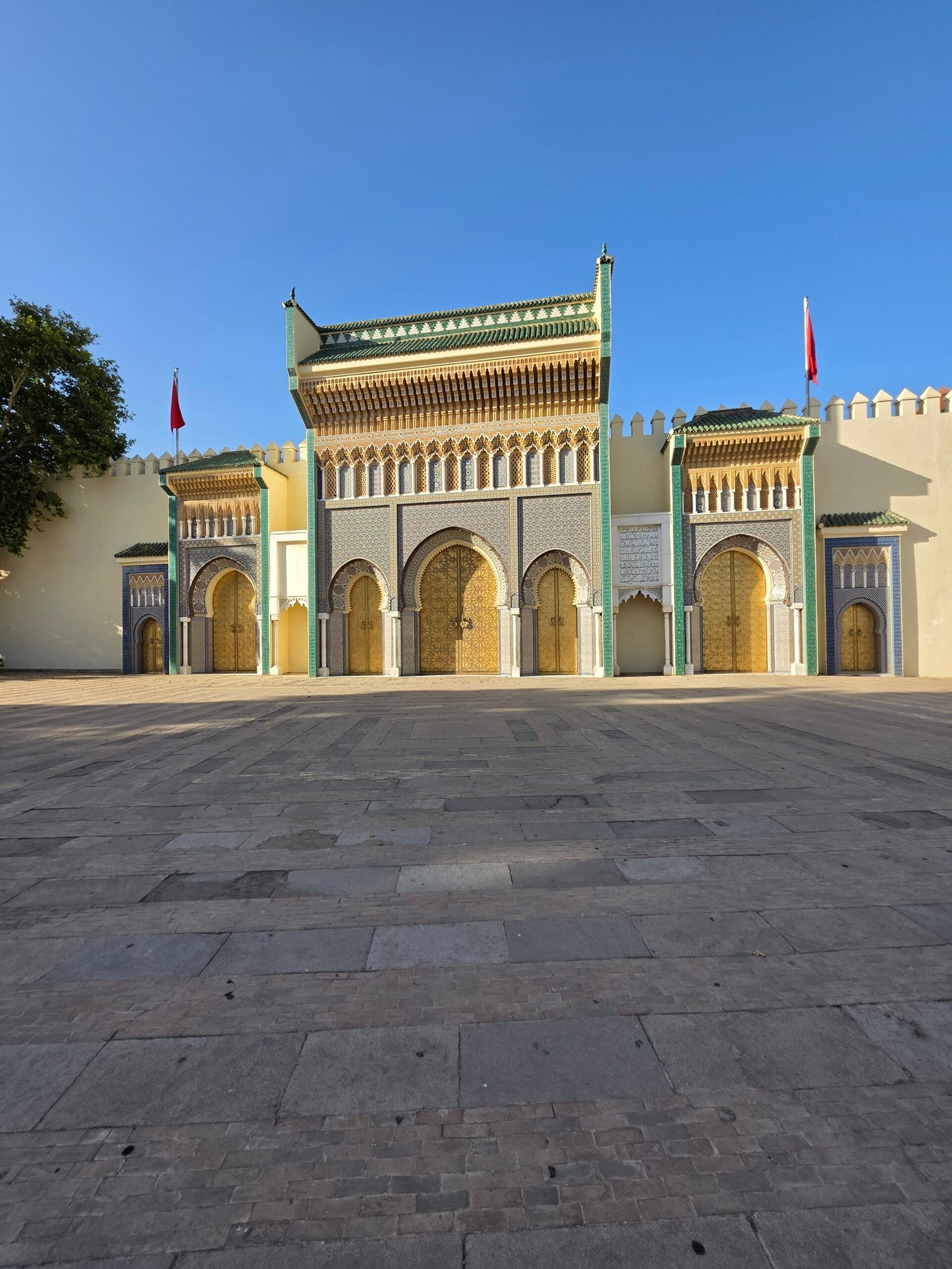
Unique Facts About Morocco: 25+ Fascinating Things You Should Know
Morocco is one of the most diverse countries in North Africa, combining ancient cities, Atlantic and Mediterranean coastlines, the Atlas Mountains, vast desert landscapes, traditional markets, distinctive architecture, and a rich culinary culture. However, there is much more to Morocco than the famous Sahara Desert and colorful souks.
From the world’s largest traditional medinas and ancient universities to argan trees, desert landscapes, Amazigh heritage, and unique Moroccan traditions, these unique facts about Morocco reveal why the country is such an interesting destination for travelers.
1. Morocco Has Both Atlantic and Mediterranean Coastlines
One of the most interesting facts about Morocco is its location between the Atlantic Ocean and the Mediterranean Sea. This geographic position has influenced Moroccan history, trade, food, architecture, and culture for centuries.
Travelers can enjoy Atlantic coastal cities such as Casablanca, Rabat and Essaouira, while northern destinations such as Tangier and the Mediterranean coast offer a different atmosphere. As a result, a Morocco itinerary can combine beaches, historic cities, mountains and desert landscapes within the same trip.
2. Morocco Is Home to the Atlas Mountains
The Atlas Mountains cross a large part of Morocco and create some of the country’s most spectacular landscapes. The mountain system includes the High Atlas, Middle Atlas and Anti-Atlas ranges.
The High Atlas is particularly important for travelers interested in hiking, mountain villages and scenic drives. Mount Toubkal, located south of Marrakech, is the highest mountain in Morocco and the highest peak in North Africa.
3. Morocco Has One of the World’s Oldest Universities
Fez is home to Al Quaraouiyine, an institution traditionally associated with one of the oldest continuously operating centers of higher learning in the world. It was founded in the 9th century by Fatima al-Fihri.
The institution became an important center of learning in the Islamic world and contributed to the intellectual importance of Fez throughout history.
For visitors, this history adds another layer to exploring the ancient streets, mosques, schools, workshops and markets of the Fez medina.
4. Fez Has One of the World’s Largest Car-Free Urban Areas
The historic medina of Fez is famous for its narrow streets, traditional architecture and dense network of shops and workshops. Many parts are inaccessible to normal cars, meaning visitors experience the city largely on foot.
Walking through the medina can feel like stepping into another period of Moroccan history. Craftspeople continue working with leather, metal, wood, ceramics and textiles using traditional techniques.
5. Morocco Has a Famous Blue City
Chefchaouen is widely recognized for its blue-painted streets and buildings. Located in the Rif Mountains, the city has become one of Morocco’s most photographed destinations.
The blue color appears throughout parts of the historic town, creating narrow streets, stairways and courtyards that are particularly attractive for photography.
Although Chefchaouen is often called the Blue City, its appeal extends beyond photography. The surrounding mountains, peaceful streets and traditional architecture make it a popular stop on northern Morocco itineraries.
6. Morocco Is Famous for Argan Oil
Argan trees are strongly associated with southwestern Morocco. The argan tree is adapted to relatively dry conditions and has played an important role in local rural life.
Argan oil is used in Moroccan cuisine as well as in cosmetics and personal-care products. Traditional production can involve carefully processing the argan kernels to extract the oil.
The argan tree also has cultural and economic importance for communities in areas where it grows.
7. Morocco Has an Ancient Amazigh Heritage
Amazigh communities have lived across North Africa for thousands of years. Their history, languages, music, clothing, architecture and crafts form an important part of Morocco’s cultural identity.
Visitors can discover Amazigh traditions in mountain villages, desert communities, museums, markets and cultural experiences throughout Morocco.
This heritage is particularly visible in the Atlas Mountains and southern Morocco, where traditional architecture and local customs remain an important part of everyday life.
8. Moroccan Mint Tea Is a Major Hospitality Tradition
Moroccan mint tea is much more than a simple drink. Offering tea to guests is an important expression of hospitality and is deeply connected with social life.
Green tea is traditionally prepared with fresh mint and sugar, although recipes and serving styles vary between families and regions.
Tea & Hospitality
Sharing tea is commonly associated with welcoming guests and spending time together.
Traditional Serving
Tea is often poured from a height into small glasses, creating a layer of foam.
Regional Variety
Tea preparation can vary depending on the region, season and family tradition.
9. Morocco Has a Unique Culinary Culture
Moroccan food is another reason travelers remember the country. Traditional dishes combine grains, vegetables, meat, fruit, herbs and spices in different ways depending on the region.
Some of the best-known Moroccan dishes include tagine, couscous, pastilla, harira and tanjia. Bread is also an important part of everyday meals, while olives, preserved lemons and fresh salads frequently appear on Moroccan tables.
Food experiences can therefore become an important part of a Morocco holiday, whether travelers eat in a family-style restaurant, a traditional riad or a local market.
10. Couscous Has Deep Cultural Importance
Couscous is one of the most recognizable foods associated with Morocco. It is traditionally prepared from semolina and served with vegetables and other ingredients.
Moroccan couscous is particularly connected with family meals and weekly traditions. Different regions and families have their own approaches to preparation and serving.
11. The Sahara Desert Is Not Just Sand Dunes
Many travelers imagine Morocco’s Sahara region as endless golden sand. However, the desert landscape includes much more than dunes.
The wider Sahara region features rocky plains, mountains, dry valleys, palm oases and changing landscapes. The famous Erg Chebbi dunes near Merzouga are among the most accessible and popular desert areas for visitors.
A desert itinerary can include a 4×4 excursion, camel experience, sunset viewing, traditional music and an overnight stay in a desert camp.
12. Morocco Has Some of Africa’s Most Famous Sand Dunes
Erg Chebbi, near Merzouga, is known for its impressive orange-golden dunes. The landscape changes throughout the day as sunlight alters the appearance of the sand.
For photographers, sunrise and sunset are especially popular. Travelers can also explore the surrounding desert by 4×4, which allows access to landscapes beyond the main dunes.
13. Morocco Has Ancient Kasbahs and Earthen Architecture
Southern Morocco is famous for traditional earthen architecture. Kasbahs and fortified villages were built using local materials and developed in response to the region’s climate and environment.
Ait Ben Haddou is one of the country’s most famous examples. Its dramatic earthen buildings have also appeared in international film and television productions.
14. Marrakech Is Known as the Red City
Marrakech is often associated with its distinctive reddish and ochre-colored architecture. Many buildings in the historic city use earthy tones that give the destination a recognizable visual identity.
The city combines historic palaces, gardens, traditional markets, riads, restaurants and lively public spaces. Jemaa el-Fna is one of the most famous places in the city and remains an important gathering point.
15. Jemaa el-Fna Has a Long History as a Public Gathering Place
Jemaa el-Fna in Marrakech is one of Morocco’s best-known public squares. During the day and especially in the evening, the area becomes a lively meeting place with food stalls, performers and local activity.
The atmosphere changes throughout the day, making it worth visiting more than once during a Marrakech holiday.
16. Morocco Has Four Imperial Cities
Morocco is traditionally associated with four imperial cities: Marrakech, Fez, Meknes and Rabat. Each city played an important role during different periods of Moroccan history.
| City | Known For |
|---|---|
| Marrakech | Historic medina, palaces, gardens and Jemaa el-Fna |
| Fez | Ancient medina, traditional crafts and historic learning |
| Meknes | Historic gates, imperial architecture and old city walls |
| Rabat | Morocco’s capital, historic monuments and Atlantic coastline |
17. Morocco Has a Long Tradition of Zellige Tilework
Zellige is a distinctive form of Moroccan mosaic tilework. Small geometric pieces are carefully arranged to create intricate patterns in walls, fountains, floors and architectural details.
The designs demonstrate the importance of geometry and craftsmanship in Moroccan architecture. Visitors can see examples in historic buildings, riads, palaces and religious architecture.
18. Moroccan Riads Have an Interesting Architectural Design
A traditional riad is organized around an interior courtyard. From the outside, the building can appear relatively simple, while the interior may contain gardens, fountains, decorative tilework and carved details.
This design creates a private central space and helps provide shade and protection from the surrounding environment.
19. Morocco Has One of the World’s Most Diverse Landscapes
Within one country, travelers can experience beaches, mountains, valleys, forests, agricultural areas, ancient cities and desert landscapes.
Atlantic Coast
Long beaches, fishing towns, surfing areas and historic coastal cities.
Atlas Mountains
Mountain valleys, villages, hiking routes and dramatic scenery.
Sahara Region
Dunes, desert plains, oases and traditional southern communities.
20. Morocco Is Close to Europe
Morocco is located just across the Strait of Gibraltar from southern Europe. This geographical position has made the country an important meeting point between Africa, Europe and the wider Mediterranean world.
For travelers, the location also makes Morocco accessible from many European cities by air, while ferry connections provide another route between Europe and northern Morocco.
21. Tangier Has a Strategic Geographic Location
Tangier sits near the meeting point of the Atlantic Ocean and Mediterranean Sea. Its location has contributed to the city’s historical importance as a gateway between different regions.
Today, Tangier combines historic neighborhoods, coastal views, modern districts and access to northern Morocco.
22. Morocco’s Markets Are Called Souks
Traditional Moroccan markets are known as souks. They can contain shops selling textiles, leather goods, ceramics, spices, lamps, jewelry, clothing and handmade crafts.
Each city has its own character. Exploring a souk is therefore not simply a shopping experience; it can also introduce travelers to Moroccan craftsmanship and everyday commercial life.
23. Morocco Is Famous for Traditional Handicrafts
Craftsmanship remains an important part of Moroccan culture. Depending on the region, visitors can discover handmade carpets, leather products, pottery, woodwork, metalwork and textiles.
Many techniques have been passed from one generation to another, making Moroccan handicrafts an important cultural feature as well as a source of income for artisan communities.
24. Morocco’s Geography Creates Different Climates
Morocco does not have one single climate. Conditions vary considerably between the Atlantic coast, Mediterranean north, mountains, inland cities and desert regions.
For this reason, the best time to visit Morocco can depend on the type of experience a traveler wants. Spring and autumn are often comfortable for combining cities and desert areas, while winter can be particularly attractive for travelers who want milder temperatures in many cities compared with northern Europe.
25. Morocco Has Snow-Covered Mountains
A surprising fact for many first-time visitors is that Morocco can receive substantial snowfall in its mountain regions during winter.
The High Atlas and Middle Atlas can become cold and snowy while other parts of the country remain relatively mild. This contrast makes Morocco an interesting destination for travelers who want to combine cities, mountains and desert landscapes during one holiday.
26. Morocco Has a Long History of International Cultural Exchange
Morocco’s position between Africa, Europe and the Mediterranean has contributed to centuries of cultural exchange. Its history includes influences from Amazigh communities, Arab dynasties, Andalusian traditions, Jewish communities, Mediterranean connections and European contact.
These layers can be seen in Moroccan architecture, music, cuisine, language, crafts and city life.
27. Moroccan Architecture Often Combines Beauty and Function
Traditional Moroccan buildings are not designed only for decoration. Courtyards, thick walls, shaded passages, fountains and interior gardens can also help create comfortable spaces in different climates.
Decorative elements such as carved plaster, woodwork and geometric tilework add artistic detail while remaining integrated into the architecture.
28. Morocco Is a Destination for Different Types of Travelers
One of the most useful facts about Morocco for travelers is its versatility. The country can work for couples, families, solo travelers, seniors, photographers, hikers, food lovers and adventure seekers.
A carefully designed Morocco itinerary can combine cultural sightseeing with relaxed days, nature, local food and desert experiences instead of trying to visit every destination too quickly.
Unique Facts About Morocco at a Glance
| Fact | Why It Is Interesting |
|---|---|
| Atlantic & Mediterranean coastlines | Morocco offers two major coastal environments. |
| Atlas Mountains | Mountain landscapes are found relatively close to major cities. |
| Sahara Desert | The desert region includes dunes, plains, oases and mountains. |
| Fez | Home to a historic medina and Al Quaraouiyine. |
| Chefchaouen | Famous for its blue-painted historic streets. |
| Argan trees | Strongly associated with southwestern Morocco. |
| Moroccan tea | A major tradition of hospitality. |
| Riads | Traditional homes organized around interior courtyards. |
| Zellige | Intricate geometric Moroccan mosaic tilework. |
| Imperial cities | Marrakech, Fez, Meknes and Rabat each have major historical importance. |
Why These Morocco Facts Matter When Planning a Trip
Learning about Morocco before your trip can help you understand the country beyond its most famous attractions. The Sahara is spectacular, but Morocco’s identity also comes from its cities, mountains, food, architecture, crafts and people.
For example, a traveler interested in history might combine Fez, Meknes and Rabat. Someone interested in landscapes could add the Atlas Mountains and Sahara. Visitors who love food can build their itinerary around local markets and traditional restaurants.
Consequently, Morocco works especially well for customized travel. Rather than following one fixed route, travelers can choose the destinations and experiences that match their interests, available time and preferred travel pace.
Best Places to Discover These Unique Morocco Facts
Marrakech
Explore the medina, traditional souks, palaces, gardens and Jemaa el-Fna.
Fez
Discover the historic medina, traditional crafts and centuries-old learning traditions.
Chefchaouen
Walk through the famous blue streets and mountain surroundings.
Merzouga
Experience the Sahara dunes, desert sunsets and overnight desert camps.
Ait Ben Haddou
See one of Morocco’s best-known examples of traditional earthen architecture.
Essaouira
Enjoy Atlantic coastal scenery, historic streets and a relaxed atmosphere.
Plan Your Morocco Adventure
Morocco is best experienced as more than a list of famous attractions. The country’s greatest strength is the ability to combine different experiences within one journey: historic medinas, mountain scenery, traditional food, local crafts, coastal towns and the Sahara.
At Package Morocco, we create private and customized Morocco travel packages designed around your interests, travel dates and preferred pace. Whether you want a Marrakech holiday, a Morocco desert tour, an Imperial Cities itinerary, a family trip or a longer Morocco adventure, the route can be adapted to your plans.
Ready to Discover Morocco?
Explore Morocco with a personalized itinerary designed around the places and experiences you want to see.
Plan Your Morocco TripFrequently Asked Questions About Morocco
What is the most unique fact about Morocco?
One of Morocco’s most remarkable features is its geographic diversity. Travelers can experience Atlantic and Mediterranean coastlines, major mountain ranges, ancient cities and Sahara landscapes within the same country.
What is Morocco famous for?
Morocco is famous for its historic medinas, Marrakech, Fez, Chefchaouen, the Atlas Mountains, Sahara Desert, Moroccan cuisine, mint tea, traditional handicrafts, riads and distinctive architecture.
What are some interesting facts about Morocco?
Interesting facts include Morocco’s ancient cities, Amazigh heritage, argan trees, traditional riads, famous blue streets of Chefchaouen, Atlas Mountains, Sahara landscapes, zellige tilework and strong tradition of hospitality.
Is Morocco good for a first-time traveler?
Yes. Morocco offers a wide variety of experiences and can be visited through private, small-group or customized itineraries. A well-planned route can make it easier to combine major cities, nature and desert experiences at a comfortable pace.
What should I know before visiting Morocco?
It is useful to understand the country’s regional differences, climate variations, local customs, transportation times and the distances between destinations. Planning your itinerary around your interests and travel pace can make your Morocco holiday much more enjoyable.