
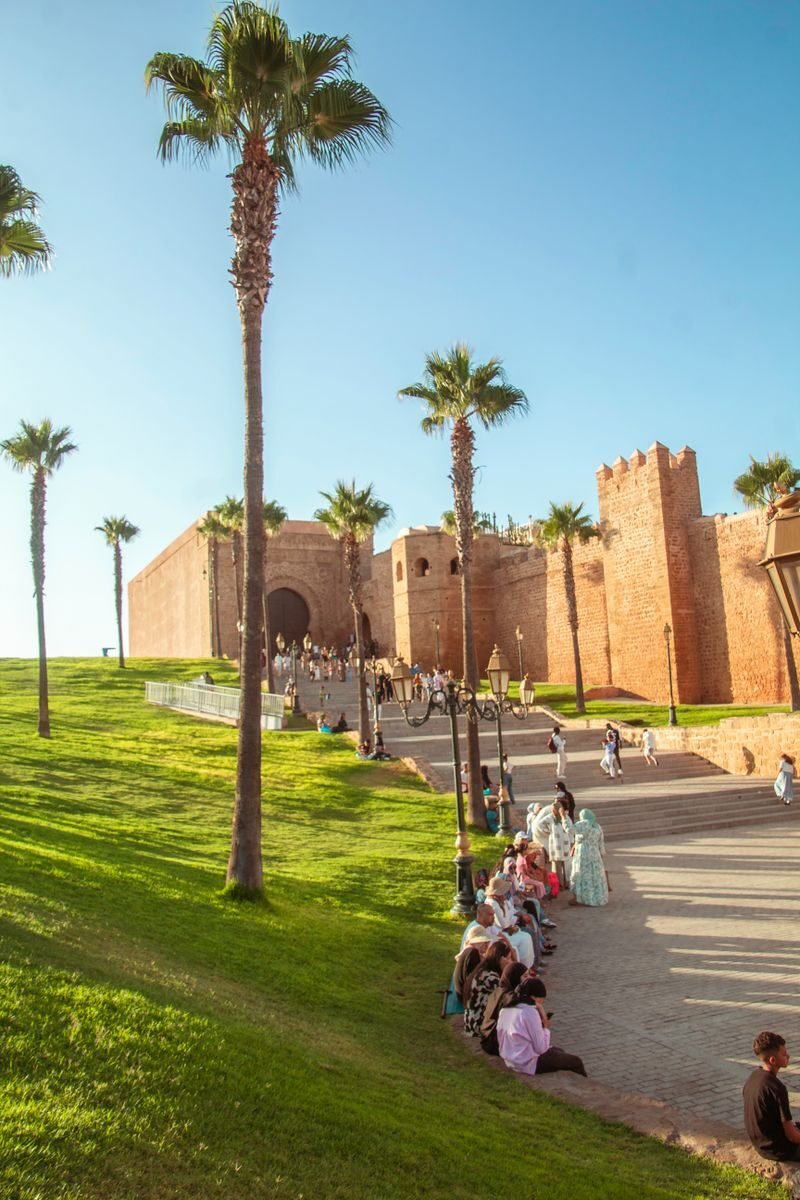
Kasbah of the Udayas Rabat: Complete Visitor Guide
The Kasbah of the Udayas Rabat, also known as the Kasbah of Oudayas, Kasbah des Oudayas, or Oudaya Kasbah, is one of the most atmospheric historic places to visit in Morocco’s capital city. Perched above the Bou Regreg River and the Atlantic Ocean, this historic fortress combines Almohad architecture, white-and-blue streets, gardens, historic gates and spectacular views.
Whether you are planning a Rabat day trip, a Morocco private tour, a Morocco imperial cities itinerary or a longer journey from Casablanca to Marrakech, the Kasbah of the Udayas deserves a place on your itinerary.
Explore Morocco Tours Plan Your Morocco Trip
What Is the Kasbah of the Udayas in Rabat?
The Kasbah of the Udayas is a historic fortified quarter located on a strategic promontory overlooking the meeting point of the Bou Regreg River and the Atlantic Ocean. It is one of the best-known Rabat Morocco attractions and one of the city’s most recognizable historic neighborhoods.
The kasbah is characterized by massive defensive walls, monumental gates, narrow lanes, whitewashed houses, blue-painted streets, traditional architecture and elevated viewpoints. As a result, it offers travelers a combination of history, architecture, photography, culture and coastal scenery in one compact area.
The site is also part of the UNESCO-listed property Rabat, Modern Capital and Historic City: a Shared Heritage. Therefore, visitors can combine the Kasbah with other important Rabat heritage sites such as the Hassan Tower, Mohammed V Mausoleum, Chellah and the historic medina.
Why Visit the Kasbah of the Udayas?
There are many reasons to include the Kasbah of the Udayas on a Rabat sightseeing itinerary. First, the neighborhood is small enough to explore on foot while still offering a remarkable variety of experiences.
Historic Architecture
Explore Almohad defensive walls, monumental gates, traditional Moroccan houses and historic streets within one of Rabat’s oldest quarters.
Blue and White Streets
Walk through quiet lanes decorated with the distinctive blue-and-white architecture associated with the Kasbah of the Udayas.
Atlantic and River Views
From the ramparts, visitors can enjoy views toward the Bou Regreg River, Salé, the Atlantic Ocean and parts of Rabat.

History of the Kasbah of the Udayas
The history of the Kasbah of the Udayas is closely connected to the development of Rabat. The fortified site occupies an important strategic position at the mouth of the Bou Regreg, making it valuable for defense, trade and maritime activity.
The earliest major construction phase is associated with the Almohad period. The Almohads developed Rabat as an important fortified settlement during the 12th century. The defensive walls and monumental entrance reflect this military role.
Later periods added new architectural and cultural layers. Andalusian refugees contributed to the development of the neighborhood, while later Moroccan dynasties modified and maintained parts of the complex.
Today, the Kasbah preserves these different historical layers. That is why walking through the neighborhood provides more than a simple sightseeing experience: it gives visitors a visual introduction to the history of Rabat, Morocco.
Bab Oudaia and the Historic Entrance
One of the most impressive features of the Kasbah is its monumental entrance, often referred to as Bab Oudaia or Bab Lakbir. The gate represents the military architecture of the Almohad period and creates a dramatic transition between modern Rabat and the historic kasbah.
The gate is decorated with geometric details and traditional Moroccan architectural elements. It is also one of the most photographed entrances in Rabat.
Photography Tip
Visit the gate in the morning or later in the afternoon when softer light can make the architectural details easier to photograph. For travel photography, take both a wide-angle photograph of the entrance and closer images of the decorative stonework.

Blue and White Streets of the Kasbah of the Udayas
The narrow streets inside the kasbah are among its most memorable features. Many buildings have whitewashed walls combined with shades of blue, creating a calm Mediterranean-style atmosphere.
The streets are particularly enjoyable for travelers who like photography, architecture and cultural exploration. Instead of rushing through the area, allow time to walk slowly and discover small doors, traditional houses, decorative details and quiet corners.
For travelers searching online for things to do in Rabat, Kasbah of Oudayas Rabat, Rabat old town or Rabat historic sites, exploring these streets is one of the easiest experiences to add to a city itinerary.
Andalusian Garden at the Kasbah of the Udayas
The Andalusian Garden is another highlight of the Kasbah. Its layout and vegetation provide a peaceful contrast to the surrounding fortifications and narrow streets.
The garden is a good place to slow down during a Rabat walking tour. Visitors can enjoy greenery, traditional design and a quieter atmosphere before continuing toward the ramparts and river viewpoints.
For travelers interested in Andalusian architecture in Morocco, Moroccan gardens and historic Rabat, the garden adds another cultural layer to the visit.

Café Maure and Mint Tea
One of the traditional experiences associated with the Kasbah is stopping for Moroccan mint tea while enjoying the views around the historic quarter. The area around Café Maure is particularly attractive for travelers looking for a relaxing break during their Rabat sightseeing.
Moroccan mint tea is an important part of the country’s hospitality culture. Enjoying tea with a view of the Bou Regreg and Salé can therefore become a simple but memorable part of a Morocco vacation.
Best Views From the Kasbah of the Udayas
The elevated position of the Kasbah provides several excellent viewpoints. Depending on where you walk, you can look toward the Bou Regreg River, Salé, the Atlantic Ocean, the river mouth and parts of Rabat.
The ramparts are especially attractive around sunset. The warm evening light can illuminate the historic walls while the river and ocean create a wide background for photographs.

Is the Kasbah of the Udayas a UNESCO World Heritage Site?
The Kasbah of the Udayas is part of the UNESCO World Heritage property Rabat, Modern Capital and Historic City: a Shared Heritage, which was inscribed on the UNESCO World Heritage List in 2012.
It is important to describe this accurately: the Kasbah is a component of the larger UNESCO-listed historic city property rather than a completely separate UNESCO World Heritage Site.
The UNESCO property recognizes the relationship between Rabat’s historic monuments, medina, kasbah, defensive walls, gardens and modern capital planning. This makes Rabat particularly interesting for travelers who want to experience both historic and modern Morocco.
Things to Do at the Kasbah of the Udayas
1. Walk Through the Kasbah
Explore the narrow blue-and-white streets and traditional Moroccan homes.
2. See Bab Oudaia
Admire the monumental historic gate and its detailed Almohad architecture.
3. Visit the Andalusian Garden
Enjoy a peaceful garden environment within the historic fortress.
4. Enjoy River Views
Look across the Bou Regreg toward Salé and the Atlantic coast.
5. Drink Moroccan Mint Tea
Take a relaxing break around the traditional Café Maure area.
6. Take Travel Photos
Photograph the blue streets, historic walls, gates, river and ocean views.
How Long Do You Need at the Kasbah of the Udayas?
Most travelers can explore the main Kasbah area in approximately 1 to 2 hours. However, spending longer allows you to enjoy the gardens, viewpoints, tea, photography and nearby attractions without rushing.
| Visit Style | Recommended Time |
|---|---|
| Quick visit | 45–60 minutes |
| Normal sightseeing | 1.5–2 hours |
| Relaxed visit with tea and photography | 2–3 hours |
| Full Rabat historic-day itinerary | Half day or more |
Best Time to Visit the Kasbah of the Udayas
Rabat can be visited throughout the year. However, spring and autumn are often particularly comfortable for walking because temperatures are generally more pleasant than during the hottest part of summer.
Morning is a good choice for travelers who want quieter streets and softer photography light. Late afternoon is another excellent option because the sunlight can create attractive colors on the historic walls.
If your Morocco vacation includes several cities, consider visiting Rabat early in your itinerary before continuing south toward Marrakech, the Atlas Mountains and the Sahara Desert.

Best Places to Visit Near the Kasbah of the Udayas
One of the advantages of visiting the Kasbah is that several major Rabat attractions can be combined in the same day.
| Attraction | Why Visit? |
|---|---|
| Rabat Medina | Explore traditional shops, markets, food, crafts and historic streets. |
| Hassan Tower | See one of Rabat’s most famous monuments and an important Almohad-era architectural landmark. |
| Mausoleum of Mohammed V | Admire Moroccan architecture and the richly decorated royal mausoleum. |
| Chellah | Explore a remarkable archaeological and historic site combining Roman and medieval remains. |
| Bou Regreg River | Enjoy river views, boats and the landscape between Rabat and Salé. |

Rabat One-Day Itinerary Including the Kasbah of the Udayas
If you only have one day in Rabat, the Kasbah can easily be included in a well-planned city itinerary.
Morning
- Start in the historic Rabat Medina.
- Walk toward the Kasbah of the Udayas.
- Visit Bab Oudaia.
- Explore the blue-and-white streets.
- Visit the Andalusian Garden.
Afternoon
- Enjoy views over the Bou Regreg.
- Have Moroccan mint tea.
- Visit Hassan Tower.
- See the Mohammed V Mausoleum.
- Continue to Chellah if time allows.
Rabat Morocco Travel Guide
Rabat is one of Morocco’s four traditional imperial cities and serves as the country’s capital. Compared with some of Morocco’s busiest tourist destinations, Rabat can feel more relaxed while still offering impressive historic monuments, gardens, museums, beaches and traditional neighborhoods.
For travelers searching for Rabat tourism, Rabat Morocco travel, places to visit in Rabat or best things to do in Rabat, the Kasbah of the Udayas is a natural starting point because it combines history, architecture and views.
Rabat is also easy to combine with other Moroccan destinations. Depending on your itinerary, you can travel from Rabat toward Casablanca, Tangier, Chefchaouen, Fes, Marrakech or the Sahara Desert.
Kasbah of the Udayas From Casablanca
If you are arriving in Morocco through Casablanca, Rabat is a convenient addition to your Morocco itinerary. A private transfer can allow you to explore Rabat before continuing toward other destinations.
For travelers who want to see Morocco’s Atlantic cities, a route combining Casablanca and Rabat can provide an excellent introduction to Moroccan architecture, history and culture.
See Morocco Tour From CasablancaRabat and Chefchaouen
Travelers interested in blue architecture sometimes combine Rabat with Chefchaouen, another Moroccan destination famous for blue-painted streets. Although the two cities have very different histories and architectural traditions, visiting both creates a memorable photography and cultural journey.
Explore Chefchaouen ToursRabat to the Sahara Desert
The Kasbah of the Udayas can also be the beginning of a longer Morocco adventure leading toward Fes, the Atlas Mountains and the Sahara Desert. Travelers with more time can continue to Merzouga for camel trekking, sunset over Erg Chebbi and a night in a desert camp.
For visitors planning a complete Morocco vacation, combining Rabat, Fes, the Atlas Mountains and the Sahara Desert creates a diverse itinerary covering imperial cities, mountain landscapes and desert scenery.
Explore Morocco Desert ToursResponsible Tourism at the Kasbah of the Udayas
The Kasbah is a living historic neighborhood, not simply an outdoor museum. Visitors should therefore respect residents, private homes and local customs.
- Do not enter private homes without permission.
- Keep historic streets and viewpoints clean.
- Respect local residents when taking photographs.
- Support local cafés and small businesses.
- Avoid damaging walls, gardens or architectural features.
- Follow local instructions at museums and heritage sites.