
What to Do in Chefchaouen: Best Things to See + Complete Morocco Highlights Guide
What to Do in Chefchaouen, Morocco
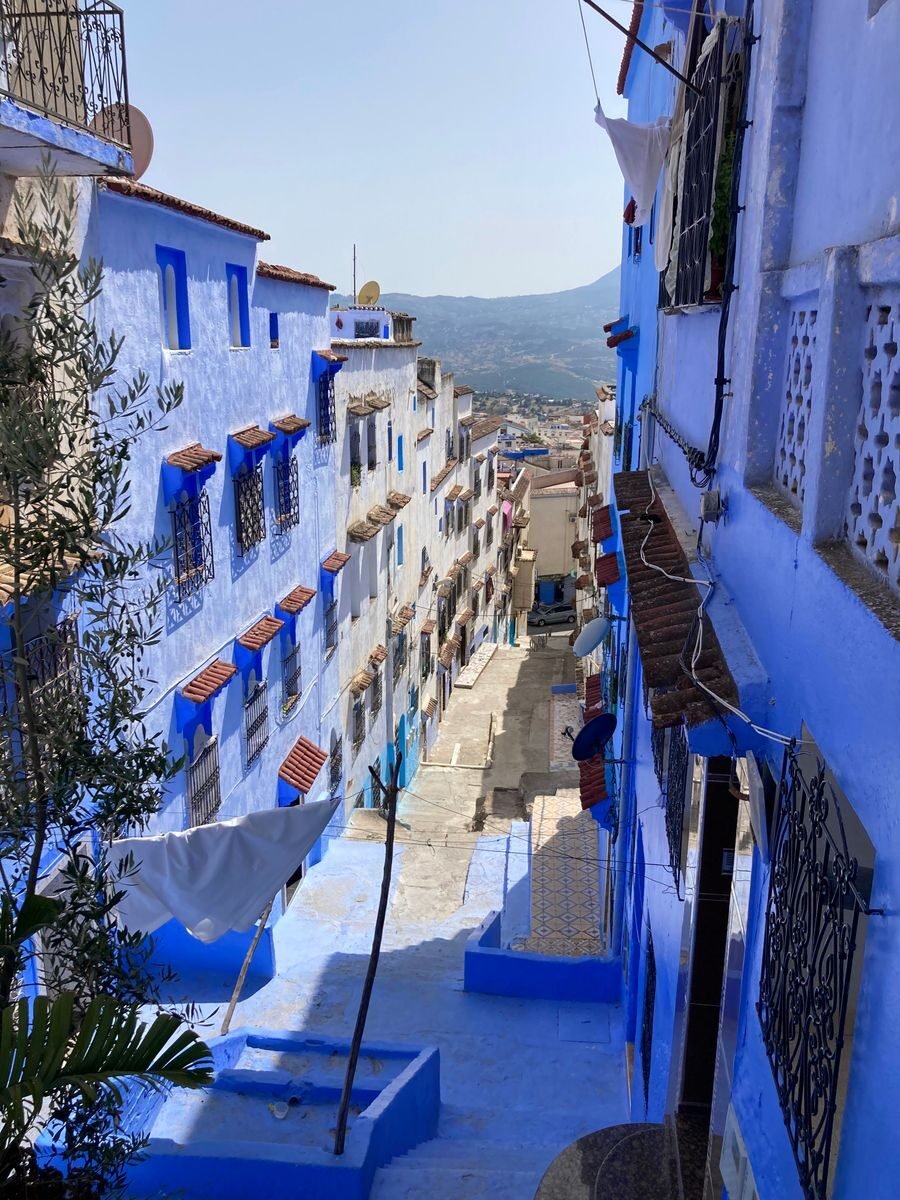
Chefchaouen, known as Morocco’s Blue City or the Blue Pearl, is one of the country’s most beautiful destinations. Built into the Rif Mountains in northern Morocco, Chefchaouen is famous for its blue-painted streets, traditional houses, mountain scenery, handicrafts, historic medina and relaxed atmosphere.
But Chefchaouen is more than a place to take photographs. The surrounding Rif Mountains offer hiking, waterfalls, forests and spectacular viewpoints. The Moroccan National Tourist Office specifically highlights the Old Medina, Kasbah, Ras El Maa, Akchour Waterfalls and Talassemtane National Park among the area’s attractions.
If you’re planning a Morocco vacation, Morocco tour, honeymoon, family holiday, private Morocco trip or Grand Tour of Morocco, Chefchaouen deserves a place on your itinerary.
Best Things to Do in Chefchaouen


The Chefchaouen Medina is the heart of the city.
Walk slowly through its narrow blue streets and discover:
- Blue-painted houses
- Traditional doors
- Small squares
- Moroccan cafés
- Local bakeries
- Artisan workshops
- Carpet shops
- Handmade crafts
- Traditional restaurants
The official tourism office describes the Medina’s winding streets and blue architecture as one of Chefchaouen’s defining experiences.
2. Visit the Kasbah of Chefchaouen
The Kasbah sits in the center of the old Medina.
Inside, visitors can discover gardens and a museum displaying historical objects, photographs and textiles.
It is one of the best places to combine history, architecture and culture during a Chefchaouen walking tour.
3. Walk to Ras El Maa
Ras El Maa is a natural spring at the edge of the old city.
It is a pleasant place to take a break after exploring the Medina and to see how water has traditionally supported life in the mountain city.
Related searches: Ras El Maa Chefchaouen, Chefchaouen waterfall, Chefchaouen attractions.
4. Take a Hike in the Rif Mountains
Chefchaouen is surrounded by spectacular mountain scenery.
Popular hiking areas include:
- Tissouka Mountain
- Akchour
- Azilane
- Talassemtane National Park
- Kalaa
- Bouhachem Natural Park
The region contains forests and mountain trails suitable for outdoor adventures.
5. Visit Akchour Waterfalls


The area is known for:
- Waterfalls
- Hiking trails
- Mountain scenery
- Natural pools
- Forests
- The famous God’s Bridge natural arch
The official tourism site lists Akchour Waterfalls among Chefchaouen’s top attractions.
6. Discover Talassemtane National Park
For nature lovers, Talassemtane National Park is one of the most important natural attractions around Chefchaouen.
The park protects a mountainous landscape of forests and hiking trails and forms part of the wider Rif experience.
7. Watch the Sunset from a Viewpoint
One of the simplest experiences in Chefchaouen is watching the sun disappear behind the Rif Mountains.
For photographers, early morning and late afternoon provide beautiful light over the blue Medina.
8. Shop for Moroccan Handicrafts
Chefchaouen is an excellent place to buy traditional Moroccan crafts.
Look for:
- Berber/Amazigh carpets
- Wool products
- Handmade textiles
- Pottery
- Leather goods
- Woodwork
- Traditional clothing
Crafts and weaving are an important part of the city’s cultural identity.
What to See in Morocco: The Ultimate Morocco Highlights
Chefchaouen is only one part of Morocco. If you want to experience the country’s biggest attractions, combine the Blue City with Morocco’s imperial cities, Sahara Desert, Atlas Mountains, Atlantic coast and historic kasbahs.
The official Moroccan tourism board itself presents Morocco as a destination combining nature, culture, sea, desert and mountains, and its Grand Tour route includes destinations from Casablanca and northern Morocco through the Sahara and Marrakech.
1. Marrakech


What to see:
- Jemaa el-Fna
- Koutoubia Mosque
- Bahia Palace
- Saadian Tombs
- Marrakech Medina
- Souks
- Majorelle Garden
- El Badi Palace
Marrakech is ideal for travelers interested in Moroccan culture, food, shopping, architecture and nightlife.
2. Fes
Fes is one of Morocco’s great historic cities.
Don’t miss:
- Fes el-Bali
- Bou Inania Madrasa
- Al Quaraouiyine
- Chouara Tanneries
- Bab Bou Jeloud
- Traditional souks
Fes is particularly important for travelers interested in Moroccan history, Islamic architecture, traditional crafts and medieval medinas.
3. Merzouga and the Sahara Desert


In Merzouga, you can experience:
- Camel trekking
- Erg Chebbi dunes
- Luxury desert camps
- Sunset over the Sahara
- Sunrise
- Sandboarding
- Berber/Amazigh music
- Desert stargazing
- 4×4 excursions
A classic Morocco itinerary combines Chefchaouen and Fes in the north with Merzouga and Marrakech in the south.
4. Atlas Mountains


Popular places:
- Imlil
- Toubkal National Park
- Ourika Valley
- Ait Bouguemez
- Ouarzazate mountain landscapes
- Tizi n’Tichka Pass
Activities include hiking, trekking, village visits and mountain photography.
5. Ait Ben Haddou


This fortified ksar is particularly impressive because of its earthen architecture and location along the historic southern caravan routes.
It is one of the essential stops between Marrakech and the Sahara.
6. Ouarzazate
Ouarzazate is often called the gateway to the Sahara and southern Morocco.
Highlights:
- Taourirt Kasbah
- Atlas Film Studios
- Southern Moroccan landscapes
- Road of 1,000 Kasbahs
Ouarzazate is also associated with major film productions and the spectacular architecture of southern Morocco.
7. Dades Valley
The Dades Valley is famous for:
- Red-rock mountains
- Kasbahs
- Berber villages
- Scenic roads
- Hiking
- Photography
The route through the Dades Valley is one of the highlights of southern Morocco.
8. Todra Gorge
Todra Gorge is one of Morocco’s most dramatic natural attractions.
Towering canyon walls surround the road and river valley, making it a popular destination for:
- Hiking
- Photography
- Rock climbing
- Scenic drives
9. Essaouira


- Historic Medina
- Oceanfront ramparts
- Fishing harbor
- Seafood
- Beaches
- Windsurfing and kitesurfing
- Art galleries
It is an excellent addition to a Marrakech itinerary.
10. Casablanca
Casablanca is Morocco’s largest city and economic center.
Main attractions:
- Hassan II Mosque
- Ain Diab Corniche
- Old Medina
- Habous Quarter
- Morocco Mall
- Art Deco architecture
The Hassan II Mosque and Ain Diab Corniche are among the city’s leading attractions.
11. Rabat
Rabat is Morocco’s capital.
What to see:
- Kasbah of the Udayas
- Hassan Tower
- Mausoleum of Mohammed V
- Chellah
- Rabat Medina
Rabat is an excellent destination for travelers interested in history and architecture.
12. Tangier
Tangier sits at the northern tip of Morocco where the Atlantic and Mediterranean worlds meet.
Highlights:
- Tangier Medina
- Kasbah
- Cape Spartel
- Hercules Cave
- Grand Socco
- Mediterranean and Atlantic views
Tangier is also an excellent starting point for visiting Chefchaouen.
13. Tetouan
Tetouan is another northern Moroccan highlight.
Its historic Medina and Andalusian influences make it particularly interesting for travelers exploring northern Morocco.
A popular route is:
Tangier → Tetouan → Chefchaouen → Fes
14. Volubilis
Volubilis is one of Morocco’s most important Roman archaeological sites.
Visitors can see:
- Ancient Roman ruins
- Mosaics
- Columns
- Temples
- Historic roads
It is particularly easy to combine with Meknes and Fes.
15. Meknes
Meknes is one of Morocco’s four traditional imperial cities.
The Moroccan National Tourist Office identifies Rabat, Fes, Meknes and Marrakech as Morocco’s four imperial cities.
Highlights:
- Bab Mansour
- Meknes Medina
- Mausoleum of Moulay Ismail
- Royal stables
- Historic gates
16. Ifrane
Ifrane is famous for its distinctive alpine-style architecture and surrounding cedar forests.
It makes an interesting stop between Fes and the Sahara.
The official Moroccan tourism board includes Ifrane in its Grand Tour itinerary.
17. Ouzoud Waterfalls
The Ouzoud Waterfalls are among Morocco’s best-known natural attractions.
They are particularly popular as a day trip from Marrakech.
18. Agadir and Taghazout


Things to do:
- Beach holidays
- Surfing
- Restaurants
- Coastal walks
- Souk shopping
- Sunset viewing
19. Dakhla
Dakhla is a spectacular destination in southern Morocco known for its lagoon, beaches and water sports.
It is particularly attractive to:
- Kitesurfers
- Adventure travelers
- Beach lovers
- Nature photographers
20. El Jadida
El Jadida, historically known as Mazagan, combines Moroccan and Portuguese heritage.
Its Portuguese fortifications and historic architecture make it a fascinating Atlantic coastal stop. The Moroccan tourism board includes El Jadida in its Grand Tour itinerary.
Morocco Highlights by Experience
| Experience | Best Places |
|---|---|
| Blue city | Chefchaouen |
| Sahara Desert | Merzouga |
| Imperial cities | Marrakech, Fes, Meknes, Rabat |
| Mountains | Atlas Mountains, Rif Mountains |
| Beaches | Essaouira, Agadir, Taghazout, Al Hoceima |
| History | Fes, Meknes, Volubilis, Rabat |
| Kasbahs | Ait Ben Haddou, Ouarzazate, Dades |
| Hiking | Chefchaouen, Atlas Mountains, Imlil |
| Surfing | Taghazout, Essaouira, Dakhla |
| Luxury desert | Merzouga |
| Shopping | Marrakech, Fes, Casablanca |
| Roman history | Volubilis |
| Coastal culture | Essaouira |
| Photography | Chefchaouen, Sahara, Marrakech |
| Family travel | Marrakech, Agadir, Essaouira |
| Adventure | Sahara, Atlas Mountains, Rif Mountains |
Best Morocco Grand Tour Itinerary
For travelers who want to see Chefchaouen and as much of Morocco as possible, consider a 12–14 day itinerary:
Days 1–2: Casablanca
Hassan II Mosque and Atlantic coast.
Day 3: Rabat
Kasbah of the Udayas, Hassan Tower and Mausoleum of Mohammed V.
Day 4: Tangier
Medina, Kasbah and Cape Spartel.
Day 5: Chefchaouen
Blue Medina, Kasbah and Ras El Maa.
Day 6: Fes
Fes el-Bali and traditional souks.
Day 7: Meknes & Volubilis
Imperial heritage and Roman ruins.
Day 8: Ifrane → Midelt → Merzouga
Cross the Middle Atlas and arrive in the Sahara.
Day 9: Sahara Desert
Camel trekking, dunes, sunset and desert camp.
Day 10: Todra Gorge → Dades Valley
Explore southern Morocco’s dramatic landscapes.
Day 11: Ouarzazate → Ait Ben Haddou
Discover kasbahs and historic villages.
Day 12: Atlas Mountains → Marrakech
Cross the High Atlas.
Day 13: Marrakech
Medina, souks, palaces and Jemaa el-Fna.
Day 14: Essaouira
Finish your Morocco adventure on the Atlantic coast.
This follows the broad north-to-south concept used in Morocco’s official “Great Tour of Morocco,” which includes Chefchaouen, Fes, Ifrane, Merzouga, Tinghir, Ouarzazate, Ait Ben Haddou, Marrakech and Essaouira.
How Many Days Do You Need in Morocco?
3–4 Days
Choose Marrakech + Atlas Mountains.
5–7 Days
Choose Marrakech + Sahara Desert.
7–10 Days
Choose Marrakech + Sahara + Fes.
10–12 Days
Add Chefchaouen, Rabat and Casablanca.
14 Days
A Grand Tour can include Casablanca, Rabat, Tangier, Chefchaouen, Fes, Meknes, Merzouga, Dades, Ouarzazate, Ait Ben Haddou, Marrakech and Essaouira.
Why Visit Chefchaouen on a Morocco Tour?
Chefchaouen gives you something different from Marrakech and the Sahara.
Here you can experience:
Blue streets + Rif Mountains + Moroccan crafts + hiking + waterfalls + local food + traditional architecture.
That combination makes Chefchaouen one of the best places to visit in northern Morocco. The official tourism board describes it as a mountain city with a distinctive blue Medina and highlights its surrounding nature and hiking opportunities.
Frequently Asked Questions
What are the best things to do in Chefchaouen?
Explore the Blue Medina, visit the Kasbah, walk to Ras El Maa, shop for local crafts, hike in the Rif Mountains and take a day trip to Akchour.
Is Chefchaouen worth visiting?
Absolutely. Chefchaouen combines distinctive architecture, mountain scenery, Moroccan culture and outdoor activities.
How long should I stay in Chefchaouen?
One full day is enough for the main Medina, while two days or more allows time for Akchour and mountain hiking.
What is Chefchaouen famous for?
It is famous for its blue-painted Medina, Rif Mountain setting, traditional crafts and nearby natural attractions.
What are the must-see places in Morocco?
The biggest Morocco highlights include Marrakech, Fes, Chefchaouen, Merzouga and the Sahara Desert, Atlas Mountains, Ait Ben Haddou, Dades Valley, Todra Gorge, Essaouira, Casablanca, Rabat, Tangier, Meknes and Volubilis.
What is the best Morocco itinerary?
For a first trip, a 10–14 day Morocco itinerary can combine imperial cities, Chefchaouen, the Sahara Desert, Atlas Mountains, Ait Ben Haddou and Marrakech.