+212 600 385 171 | +212 667 304 401
info@packagemorocco.com
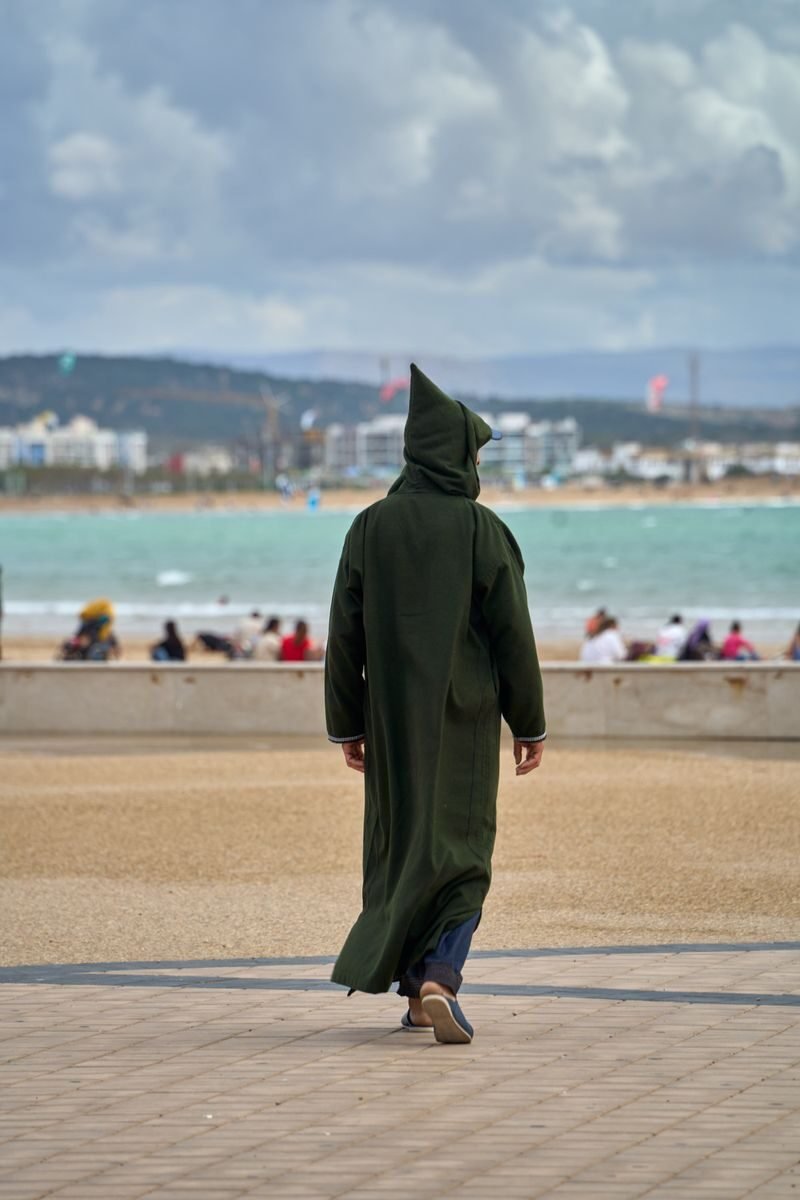
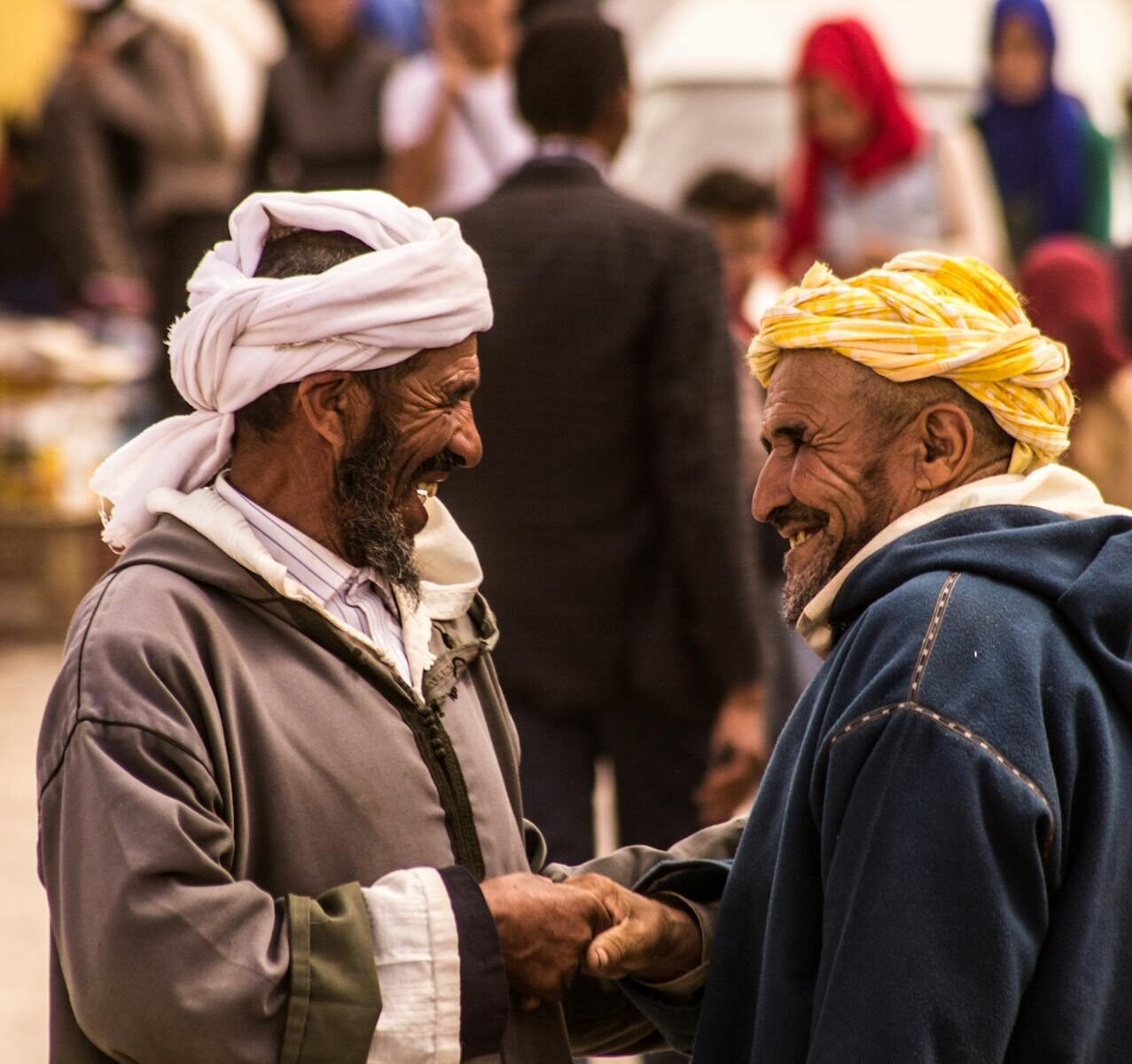
The djellaba Morocco is one of the most iconic traditional garments in Moroccan culture. Indeed, this long, loose-fitting robe represents both heritage and identity across the country. Furthermore, Moroccans wear it in cities, villages, and mountain regions, which makes it a true national symbol.
In addition, the djellaba is worn by both men and women in different styles and fabrics. As a result, it remains one of the most versatile and widely used traditional outfits in Morocco. Moreover, visitors often notice locals wearing djellabas during daily life, religious events, and special occasions.
A djellaba is a long robe with long sleeves and a pointed hood called a qob. For example, the hood protects people from the sun, wind, and cold weather. Meanwhile, the loose design allows comfort in both hot and cold climates.
In addition, Moroccans wear djellabas in different fabrics depending on the season. Therefore, lighter materials are used in summer, while thick wool is used in winter.
The djellaba has deep historical roots in Moroccan society. In fact, its origins go back centuries to Amazigh traditions. Later, Arab and Andalusian influences shaped its modern design.
Furthermore, the djellaba became popular across all social classes. As a result, it evolved from a rural garment into a national symbol of Moroccan identity. Today, people wear it in both traditional and modern settings.
The djellaba represents more than clothing. Above all, it reflects Moroccan values such as modesty, identity, and tradition.
Moreover, Moroccans wear djellabas during religious events such as Friday prayers and Ramadan. For example, many men choose white djellabas for special occasions. Meanwhile, women often wear colourful and decorated versions.
Consequently, the djellaba remains a strong cultural symbol in Moroccan society.
Men’s djellabas are usually simple and elegant. Furthermore, they are commonly made from wool or cotton, depending on the season. In addition, neutral colours like beige, white, and brown are very popular.
Women’s djellabas are often more decorative. For example, they may include embroidery, bright colours, and fine details. As a result, they are commonly worn during celebrations and family gatherings.
Modern fashion designers have adapted the djellaba. Therefore, you can now find stylish versions with new fabrics and cuts. Meanwhile, traditional elements are still preserved.
Moroccans wear djellabas in many daily and special situations.
For instance, many people prefer djellabas for comfort at home. Moreover, others wear them outside to show cultural pride.
The material of a djellaba depends on the climate and purpose.
Wool djellabas are ideal for winter. As a result, they are commonly used in the Atlas Mountains.
Cotton djellabas are light and breathable. Therefore, they are popular in summer.
Luxury djellabas use silk and high-quality embroidery. In addition, they are often worn at weddings and special events.
Today, the djellaba has entered modern fashion trends. In fact, many Moroccan designers combine traditional designs with modern cuts.
Furthermore, young people wear djellabas in stylish ways for events and photos. As a result, the garment remains relevant in modern Moroccan society.
Meanwhile, international fashion brands have also been inspired by Moroccan clothing styles.
The djellaba is worn daily, while the kaftan is more formal. For example, kaftans are often used in weddings.
The gandora is shorter and lighter. Therefore, it is less formal than the djellaba.
Different regions of Morocco have unique djellaba styles.
Consequently, the djellaba reflects Morocco’s cultural diversity.
During festivals, the djellaba becomes especially important. For instance, people wear their best outfits during Eid celebrations.
Moreover, families often match colours and styles. As a result, the djellaba plays a key role in cultural identity during celebrations.
The djellaba symbolises:
Above all, it connects modern Morocco with its historical roots.
Wearing a djellaba is simple and comfortable.
In addition, many people wear it with simple accessories for elegance.
The djellaba remains popular because it is practical, cultural, and stylish. Furthermore, it adapts easily to modern fashion trends.
As a result, both young and older generations continue to wear it regularly.
A djellaba is a traditional long robe worn by Moroccans for daily life and special occasions.
Both men and women wear djellabas across Morocco.
No. In fact, it is also part of modern Moroccan fashion.
Moroccans wear it daily, during prayers, and at celebrations.
The djellaba in Morocco is more than traditional clothing. Moreover, it represents identity, history, and cultural pride. As a result, it remains one of the most important garments in Moroccan culture.
Finally, whether in cities or villages, the djellaba continues to connect modern Morocco with its rich heritage.