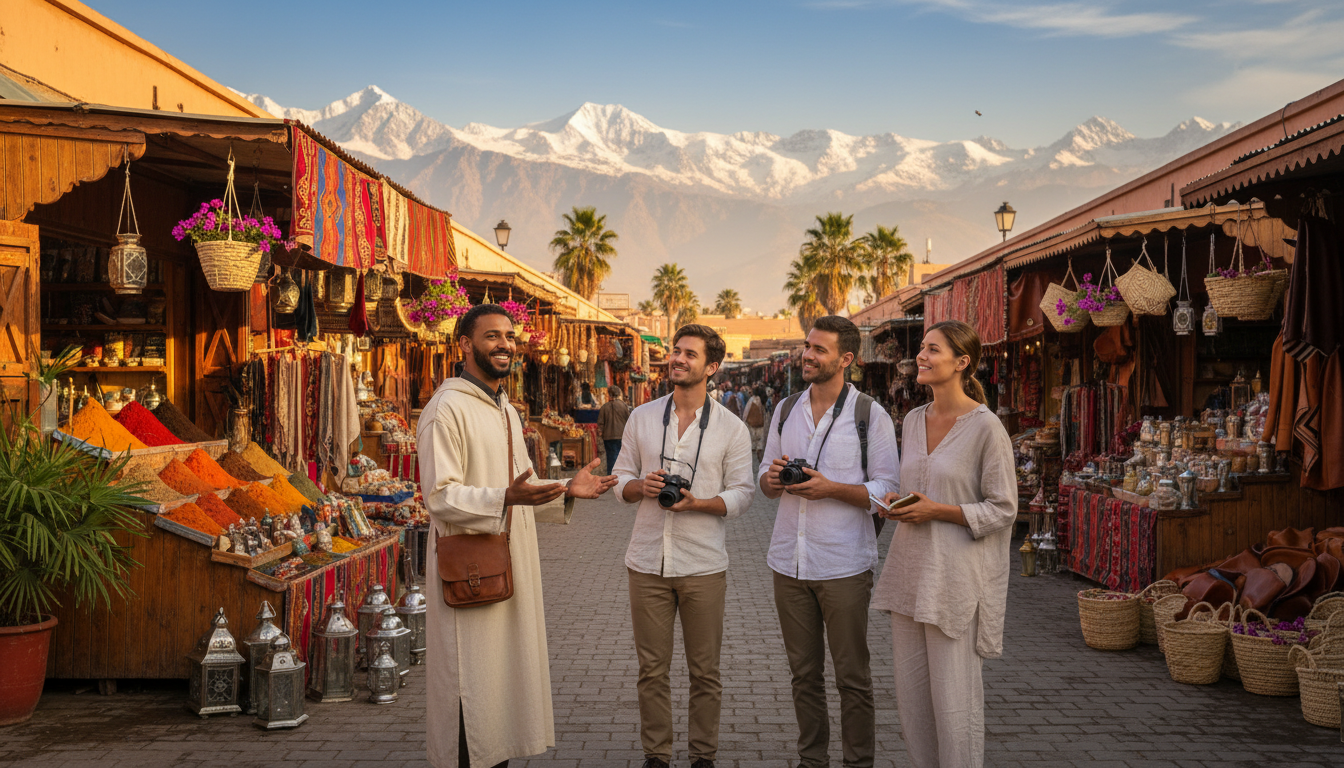
Ever dreamed of exploring vibrant spice markets but worried about old news? Many Americans think twice about is morocco safe to visit before planning a trip. Knowing the local scene helps you enjoy the old alleys and bright dunes.
Morocco is rich in history and warmth, yet people seek facts. Our guide offers real advice for a safe trip. You’ll find locals are very kind, making memories that last forever.
Key Takeaways
- Tourism remains a major priority for the local government.
- Violent crime against foreigners is very rare across the nation.
- Petty theft mostly occurs in crowded market areas or souks.
- Wearing modest clothing shows respect for local traditions and culture.
- Official guides offer the best security for complex city tours.
- Modern infrastructure connects all the major imperial cities efficiently.
Understanding Morocco’s Overall Safety Landscape
Travelers planning to visit Morocco need to know about its safety. Morocco is known for its rich culture, beautiful landscapes, and welcoming people. It’s a favorite spot for tourists and business travelers.
To understand Morocco’s safety, we must look at several factors. These include travel advisories, safety ratings, and how it stacks up against other places.
Current Travel Advisories and Safety Ratings
Government travel advisories give important insights into a country’s safety. Many countries advise caution when visiting Morocco. They warn about petty crime and terrorism. For example, the U.S. Department of State says to “exercise increased caution” in Morocco.
Safety ratings from trusted sources also help measure a country’s safety. Morocco’s safety rating is average globally. Petty theft and scams are common concerns for tourists.
Morocco’s Safety Record Compared to Regional Destinations
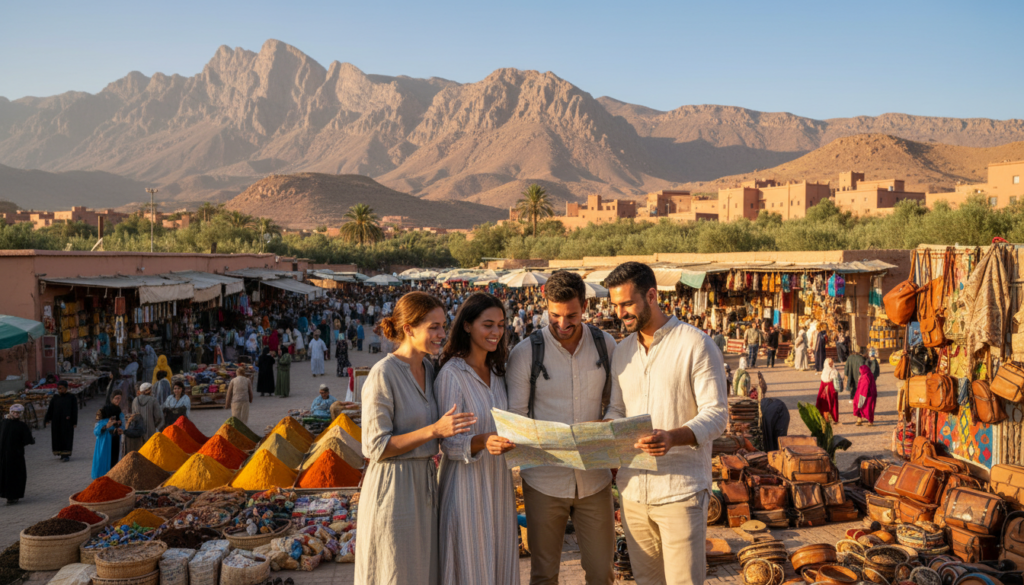
Comparing Morocco’s safety to other regional spots is useful. Morocco is seen as one of the safer countries in North Africa. It has a stable political scene and lower crime rates compared to some neighbors.
Yet, Morocco deals with terrorism and petty crime. Visitors should be careful, mainly in crowded places and tourist spots.
Political Stability and General Security Situation
Morocco is a constitutional monarchy with a stable political setup. The government works to improve security, focusing on tourist areas. The security situation is generally stable, with a strong presence in major cities and tourist spots.
But, there are areas that need extra care. Travelers should keep up with local news and follow advice to stay safe.
Crime and Personal Safety in Morocco
Traveling to Morocco means understanding local crime to stay safe. Morocco is known for its vibrant culture and history. It attracts millions of tourists yearly. Yet, it faces crime and safety issues like many tourist spots.
Petty Theft and Pickpocketing in Tourist Areas
Petty theft and pickpocketing are big problems in tourist spots, like Marrakech and Fez. Tourists should watch their belongings closely, mainly in crowded places. Using a money belt or a secure bag for valuables is wise.
“Stay alert and keep valuables safe,” experts advise. “A moment of distraction can lead to regret,” one expert warns.
Violent Crime Statistics and Risks
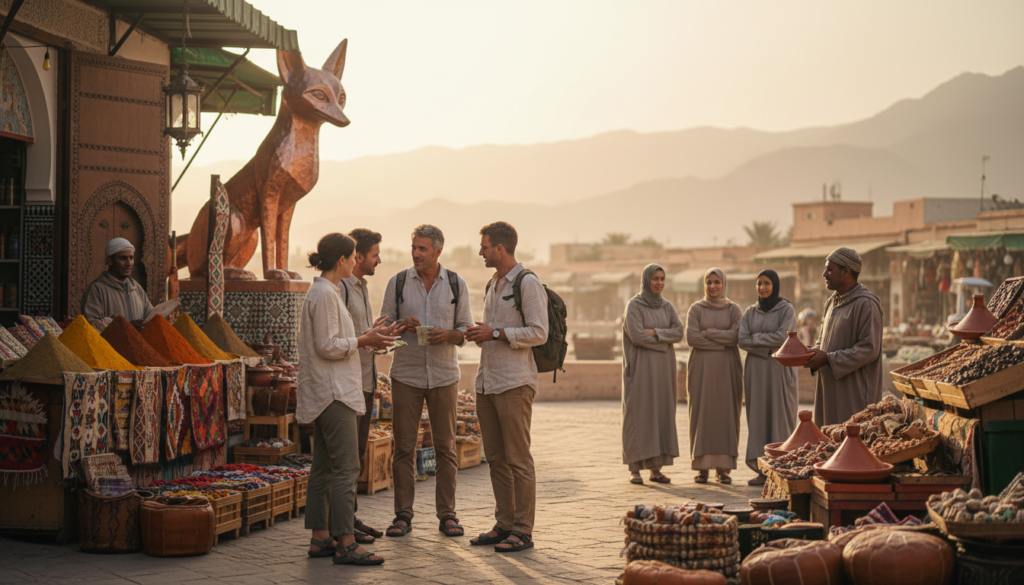
Violent crime is less common but can happen in Morocco. Reports show violent crimes against tourists are rare. Yet, knowing the risks and taking precautions is key.
- Be aware of your surroundings, even at night.
- Avoid showing off wealth (like expensive jewelry).
- Stay updated on local conditions and follow advice.
Safest Cities and Neighborhoods for Tourists
Some cities and areas in Morocco are safer for tourists. These include:
| City | Safest Neighborhoods |
|---|---|
| Marrakech | Medina (daytime), Gueliz |
| Rabat | Agdal, Souissi |
| Casablanca | Anfa, Maarif |
Researching your stay and area before you go is smart.
Areas That Require Extra Caution
Some places in Morocco need extra care due to crime or safety issues. These include parts of medinas at night and areas with drug trafficking.
Being informed and cautious is vital in less touristy areas. Don’t travel alone at night and use trusted transport.
“The key to a safe trip is being informed and prepared. Morocco can be a wonderful destination if you take the right precautions.”
Common Tourist Scams and How to Avoid Them
Knowing the common scams in Morocco is key for travelers to stay safe and enjoy their trip. Morocco is mostly safe for tourists, but knowing about scams can make your trip better.
Fake Tour Guides and Unofficial Fixers
Fake tour guides often target tourists in popular spots, trying to offer their services. To avoid these scams, book tours through trusted agencies or ask your hotel for recommendations.
A travel expert advises, “Using official guides or services recommended by your accommodation can save you from trouble and give you a real experience.”
“The best way to avoid fake guides is to research and book your tours in advance through well-known tour operators.”
Medina and Souk Shopping Scams
Shopping in Morocco’s medinas and souks is exciting, but beware of scams. Vendors might try to overcharge or deceive you. To shop safely, haggle politely but firmly and know the average prices of what you want.
| Scam Type | How to Avoid |
|---|---|
| Overpriced goods | Research prices beforehand, haggle fairly |
| Fake or low-quality products | Inspect goods carefully, buy from reputable sellers |
Restaurant and Accommodation Overcharging
Overcharging is common, mainly in restaurants and hotels. Always check prices on menus and ask for a detailed bill. For hotels, book through trusted websites or directly with the hotel to avoid surprise charges.
A traveler said, “I always check menu prices before ordering and ask for an itemized bill. It helps avoid surprises at the end of the meal.”
Currency Exchange and ATM Fraud
Be careful with currency exchange and ATM use. Use ATMs in secure areas and watch your PIN. For exchanging currency, use official offices or banks to avoid scams.
By staying informed and taking precautions, tourists can avoid scams in Morocco. Being vigilant and researching before and during your trip can greatly improve your safety and enjoyment.
Is Morocco Safe for Women and Solo Travelers?
Traveling solo to Morocco can be exciting, but safety concerns are natural, more so for women. Morocco is seen as safe for solo female travelers. Yet, it’s important to take precautions and respect local customs.
Safety Considerations for Solo Female Travelers
Stay aware of your surroundings, more so in crowded places and at night. Dressing modestly helps avoid unwanted attention. Morocco values modesty, so it’s key to respect this.
Here are some safety tips for solo female travelers:
- Avoid traveling alone at night, mainly in rural areas
- Keep valuables safe and watch out for pickpockets in crowded spots
- Dress modestly, covering shoulders and knees
- Be cautious with strangers, avoiding overly friendly or persistent ones
Appropriate Dress and Cultural Sensitivity
Morocco is conservative, with a strong Islamic culture. Dressing modestly shows respect and keeps you safe from unwanted attention. Women should cover shoulders and knees. Wearing a scarf to cover hair is wise when visiting mosques or rural areas.
Handling Harassment and Unwanted Attention
While Morocco is mostly safe, solo female travelers might face harassment or unwanted attention, often in tourist spots. It’s vital to remain calm and assertive.
Here’s how to handle harassment:
- Ignore the person and don’t engage
- Tell them firmly to leave you alone
- Seek help from local authorities or your hotel if it gets worse
Solo Travel Tips and Trusted Accommodations
Choosing the right place to stay is key for solo travelers. Opt for well-reviewed hotels or riads that welcome solo travelers.
Here are some top picks for solo travelers:
- Riads in Marrakech’s old medina
- Hotels in major cities like Casablanca and Rabat
- Guesthouses in rural areas for a real Moroccan experience
By being informed, respectful, and prepared, solo female travelers can have a safe and enjoyable time in Morocco.
Transportation Safety Across Morocco
Traveling through Morocco’s varied transportation network is exciting but safety first. You can choose from modern trains and buses to traditional taxis and private drivers. Knowing the safety of each transport option can make your trip better.
Road Conditions and Driving Safety
Morocco’s roads vary from good to challenging. Major roads are well-kept, but rural ones can be tough. Driving in Morocco needs caution, more so at night or in the countryside. Knowing local driving rules and signs is key.
A WHO report shows road accidents are a big worry in Morocco, with 17.4 deaths per 100,000 people in 2019. To stay safe, rent cars from trusted companies and always wear seatbelts.
“The key to safe driving in Morocco is to be vigilant and patient. Be ready for surprises, and keep a safe gap from other cars.”
Train and Bus Travel Security
Trains and buses are safe and comfy ways to see Morocco. The ONCF runs trains known for their safety and reliability.
| Mode of Transport | Safety Rating | Comfort Level |
|---|---|---|
| Train (ONCF) | High | High |
| Bus (CTM, Supratours) | Medium | Medium |
Using Taxis and Ride-Sharing Services Safely
Taxis are common in Moroccan cities. Always pick licensed taxis and agree on the fare first. Ride-sharing is also available in big cities like Marrakech and Casablanca.
Be mindful of your surroundings and keep valuables safe when using taxis or ride-sharing. Don’t share taxis with strangers, mainly at night.
Hiring Drivers and Private Transportation
For a safer, more personal trip, hire a private driver or service. This is best for long trips or exploring rural areas.
Choose a trusted company or person when hiring a driver. Make sure the car is in good shape and the driver knows the area well.
By being informed and careful, travelers can safely explore Morocco’s transport network and enjoy their trip.
Health, Food, and Medical Safety
Traveling to Morocco safely means knowing about the local health scene. It’s important to understand health and safety tips to enjoy your trip.
Food Safety and Avoiding Traveler’s Stomach
Moroccan food is delicious, but it’s key to be careful about food safety. Stick to eating at places that are well-liked by both locals and tourists.
Key tips for food safety:
- Choose restaurants and food stalls that are busy and have a high turnover of food.
- Avoid undercooked meat, raw vegetables, and fruits that can’t be peeled.
- Opt for bottled or filtered water instead of tap water.
Water Quality and Hydration Precautions
Don’t drink tap water in Morocco. Use bottled or filtered water to stay hydrated, more so in the summer.
Additional hydration tips:
- Carry a refillable water bottle to reduce plastic waste.
- Avoid too much caffeine and alcohol, as they can dry you out.
Recommended Vaccinations and Health Preparations
Before going to Morocco, talk to a doctor about needed vaccinations and meds. Make sure your routine shots are current. You might need extra shots based on your health and travel plans.
| Vaccination | Recommendation |
|---|---|
| Hepatitis A | Recommended for all travelers |
| Hepatitis B | Recommended for travelers who may be exposed to blood or bodily fluids |
| Typhoid | Recommended for travelers who will be eating or drinking outside of major restaurants and hotels |
Healthcare Access and Travel Insurance
Morocco’s healthcare is good in big cities like Marrakech and Casablanca. But, it’s wise to have travel insurance that covers medical evacuations.
Considerations for healthcare access:
- Research local hospitals and clinics before an emergency arises.
- Ensure your travel insurance policy covers medical expenses and evacuations.
Morocco COVID Safety Regulations and Current Requirements
Morocco has put in place safety steps to fight COVID-19. It’s important to know the latest rules and requirements for travelers.
Current COVID-19 safety measures:
- Check the latest travel advisories before your trip.
- Comply with local mask mandates and social distancing rules.
- Stay updated on any vaccination requirements for entry.
Safety Variations by Region and City
Morocco is mostly safe for tourists, but safety can vary by region. Knowing these differences helps you travel safely.
Marrakech Safety Tips and Considerations
Marrakech is famous for its lively souks and culture. But, its crowded streets can be tricky. Always watch your stuff, like in Jemaa el-Fnaa. Be careful of people who seem too friendly, as they might be trying to scam you.
Stick to well-lit, busy areas at night. Using safe taxis or ride-sharing apps is also a good idea.
Casablanca and Rabat Security Situation
Casablanca and Rabat are Morocco’s big cities. They are safer and more modern than Marrakech, with more police around.
But, like any big city, you might face petty theft or pickpocketing. Keep your valuables close and stay alert to avoid trouble.
Fez, Tangier, and Northern Morocco
Fez and Tangier are special places. Fez’s old medina is hard to navigate, so use a map or GPS.
Tangier and the north are getting safer. But, it’s smart to stay careful, even in less crowded spots.
Sahara Desert and Mountain Region Safety
The Sahara and mountains are stunning but need careful planning. Always travel with a trusted tour operator who knows the area well.
Make sure you have enough water, food, and sun protection. Being ready for the desert or mountains makes your trip safer.
| Region | Safety Concerns | Precautions |
|---|---|---|
| Marrakech | Pickpocketing, scams | Be mindful of belongings, cautious of overly friendly locals |
| Casablanca/Rabat | Petty theft | Secure valuables, aware of surroundings |
| Fez/Tangier | Navigating medinas, less crowded areas | Use maps/GPS, remain cautious |
| Sahara Desert/Mountains | Harsh conditions, remote areas | Travel with reputable operators, be prepared |
Essential Morocco Travel Safety Tips
Getting ready for your Moroccan trip? Knowing key safety tips can make your journey better. Morocco is safe, but it has its own challenges. Knowing these can help you travel confidently.
Protecting Your Money and Valuables
Keeping your stuff safe is a big deal when you travel. In Morocco, small thefts can happen in busy places. Here’s how to keep your valuables safe:
- Use a hotel safe for your passport and extra cash.
- Carry your bag securely, and consider using a money belt.
- Be cautious in crowded areas like medinas and souks.
Respecting Local Customs and Islamic Traditions
Morocco is an Islamic country with a rich culture. Showing respect for local customs is important. It keeps you out of trouble.
- Dress modestly, covering your shoulders and knees, when visiting mosques or rural areas.
- Remove your shoes when entering mosques or homes.
- Be mindful of Ramadan; avoid eating or drinking in public during fasting hours.
“The key to a successful trip is understanding and respecting the local culture.”
Staying Connected and Communication Options
Staying in touch is key for safety and finding your way.
- Consider purchasing a local SIM card or portable Wi-Fi hotspot for data access.
- Download essential apps like Google Maps and translation tools.
- Keep important phone numbers handy, including your embassy and emergency services.
Photography Etiquette and Restrictions
Taking pictures is part of the fun, but do it with respect.
- Ask for permission before photographing people, specially in rural areas.
- Be aware of photography restrictions at certain sites, such as military installations or some religious sites.
- Respect local customs; avoid taking pictures of sensitive or private areas.
Emergency Contacts and Embassy Information
Being ready for emergencies is important.
- Register with your country’s embassy or consulate upon arrival.
- Keep a list of emergency contacts, including local police and your embassy.
- Have a plan for emergency situations, including knowing the nearest hospital or clinic.
Travel Insurance and Documentation
Travel insurance and the right documents make your trip worry-free.
- Ensure you have travel insurance that covers medical, theft, and travel disruptions.
- Keep your passport and important documents secure, and consider making digital copies.
- Understand the visa requirements and ensure you comply with local regulations.
| Document | Purpose | Where to Keep |
|---|---|---|
| Passport | Identification and Travel | Hotel Safe/Money Belt |
| Travel Insurance | Medical and Travel Emergencies | Accessible Copy with You |
| Visa (if required) | Legal Entry into Morocco | Passport or Separate Safe |
By following these safety tips, your Moroccan trip will be safer and more enjoyable.
Conclusion
Traveling to Morocco can be very rewarding. It offers a rich cultural heritage and stunning landscapes. Many wonder, “Is Morocco safe to visit?” or “Is it safe to travel to Morocco?”
Morocco is generally safe for tourists who are well-prepared and informed. Understanding the local safety, being aware of scams, and taking precautions are key. Visitors should respect local customs, stay connected, and have a plan for emergencies.
With the right planning and knowledge of the local environment, Morocco can be a safe and enjoyable place to visit. So, yes, Morocco is safe to visit with the right mindset and preparation.